Turn Fall Leaves into Nutrient-Rich Compost for Your Garden
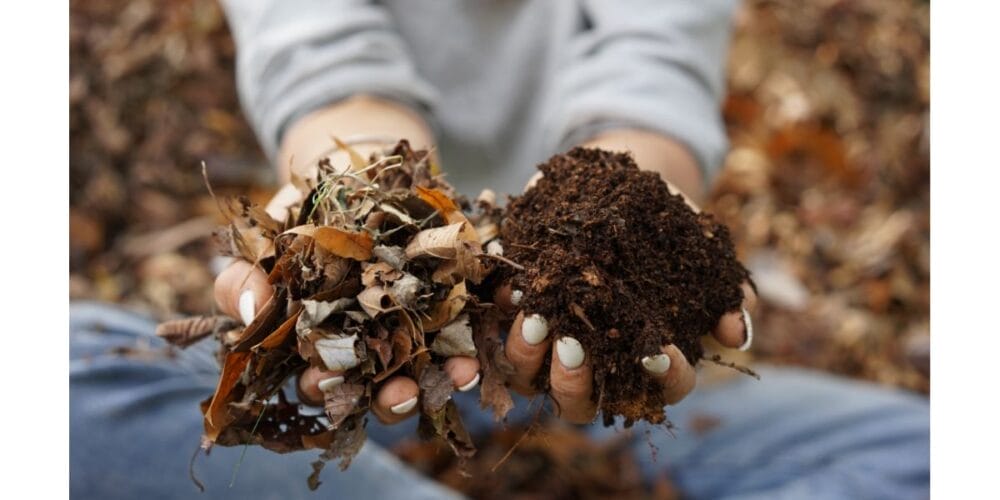
As autumn arrives, gardens and lawns become carpeted with colorful fallen leaves. While many people see them as waste to be raked and discarded, fall leaves are actually a golden resource for gardeners. When composted properly, leaves transform into nutrient-rich organic matter that improves soil health, boosts plant growth, and reduces garden waste.
In this guide, you’ll learn how to turn fall leaves into high-quality compost that your garden will love.
Table of Contents
Why Fall Leaves Are Perfect for Composting
Fallen leaves are considered “brown” compost material, meaning they are rich in carbon. Carbon is essential for building soil structure and balancing nitrogen-rich “green” materials such as kitchen scraps and fresh grass clippings.
Key Benefits of Composting Fall Leaves
- Improves soil texture and drainage
- Increases beneficial microbial activity
- Enhances moisture retention
- Reduces landfill waste
- Provides slow-release nutrients to plants
Leaves from deciduous trees such as maple, oak, neem, and peepal break down into humus that nourishes plants naturally.



What You Need to Start Composting Leaves
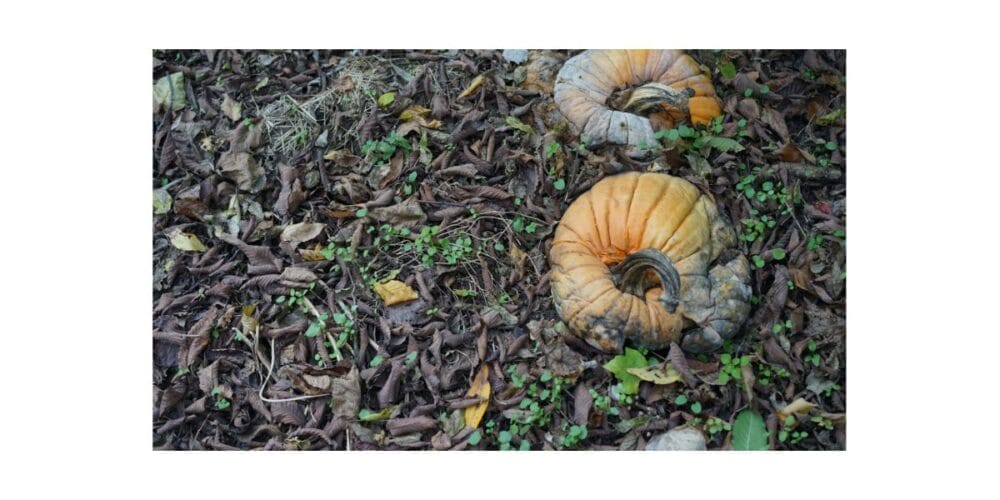
You don’t need fancy equipment to make compost from leaves. A few basic tools and materials will get you started.
Essential Supplies
- Fallen leaves
- Compost bin, pit, or a designated corner of the garden
- Green materials (vegetable scraps, grass clippings, manure)
- Water source
- Garden fork or shovel
Shredding leaves with a mower or by hand speeds up decomposition and prevents them from matting together.
Also Read: How to Make Compost Fertilizer from Kitchen Waste: A Complete Guide
Step-by-Step Guide to Turning Leaves into Compost
1. Collect and Shred the Leaves
Rake dry leaves and shred them if possible. Smaller pieces decompose faster and create better airflow inside the compost pile.
2. Create the Right Balance
A healthy compost pile needs the right carbon-to-nitrogen ratio, roughly 3 parts leaves to 1 part green material.
Good green materials include:
- Vegetable peels
- Fresh grass clippings
- Coffee grounds
- Cow dung or poultry manure
Layer leaves and greens alternately to encourage microbial activity.
3. Add Moisture
Leaves are often dry, so lightly water each layer. The pile should feel like a wrung-out sponge, not soggy. Too much water can cause foul odors, while dryness slows decomposition.
4. Turn the Pile Regularly
Turning the compost every 2–3 weeks introduces oxygen, speeds up decomposition, and prevents unpleasant smells. Use a fork to mix outer materials into the center.
5. Be Patient
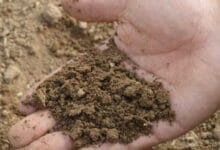
Leaf compost takes time. Depending on temperature, moisture, and shredding, compost can be ready in 3–6 months. Finished compost will be dark, crumbly, and earthy-smelling.
Common Mistakes to Avoid
Even though leaf composting is simple, a few mistakes can slow the process.
- Using only leaves without green materials
- Letting the pile dry out completely
- Not turning the compost
- Adding diseased leaves or chemically treated foliage
Avoid leaves from plants sprayed heavily with pesticides or infected with fungal diseases.
Also Read: 10 Fast-Growing Herbs, Veggies, and Flowers for Summer
Leaf Mold: An Easy Alternative
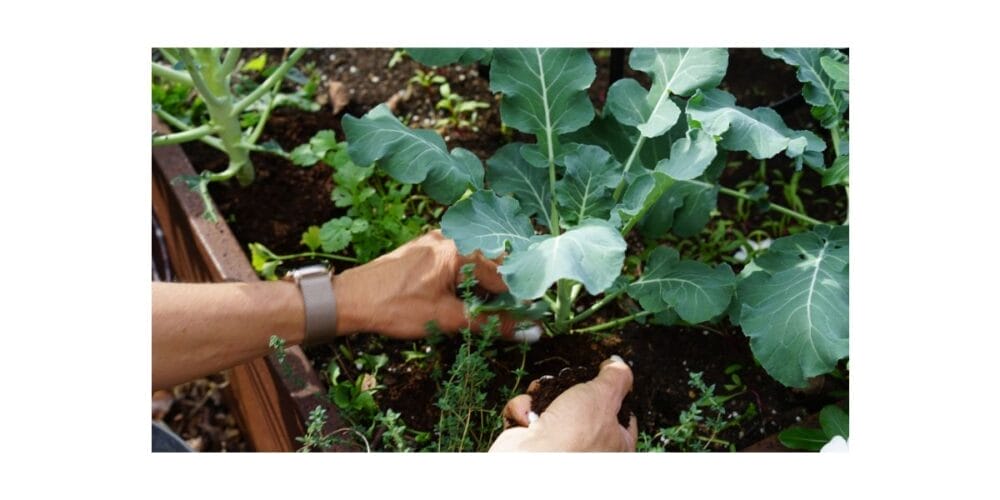
If you prefer a low-effort method, consider making leaf mold. Simply pile leaves in a wire cage or garbage bag with holes and let them decompose naturally.
Benefits of Leaf Mold
- Excellent soil conditioner
- Improves water retention
- Perfect for mulching vegetable beds and flower gardens
Leaf mold takes longer (6–12 months) but requires minimal maintenance.
How to Use Leaf Compost in Your Garden
Once your compost is ready, it can be used in many ways.
Best Uses of Leaf Compost
- Mix into garden soil before planting
- Use as mulch around trees and shrubs
- Add to potting mixes
- Top-dress lawns and flower beds
Leaf compost is especially beneficial for vegetables, herbs, flowering plants, and fruit trees.
Also Read: Complete Guide to Protecting Plants from Frost
Environmental Benefits of Composting Fall Leaves

Composting leaves at home significantly reduces the burden on municipal waste systems. Instead of being burned or sent to landfills, leaves return nutrients to the soil, closing the natural recycling loop.
By composting, you:
- Reduce greenhouse gas emissions
- Improve soil biodiversity
- Support sustainable gardening practices
Final Thoughts
Fall leaves are not garden waste—they’re a valuable natural resource. With a little effort, you can turn autumn’s fallen foliage into nutrient-rich compost that enhances soil health, supports plant growth, and saves money on fertilizers. Whether you choose traditional composting or leaf mold, your garden will thank you with healthier plants and better yields.
So this fall, skip the trash bags and start composting your leaves. Nature already knows how to recycle—your job is simply to help it along.
Also Read: About Turn Fall Leaves into Nutrient-Rich Compost for Your Garden on gardenary.com Site