Green Pea Cultivation
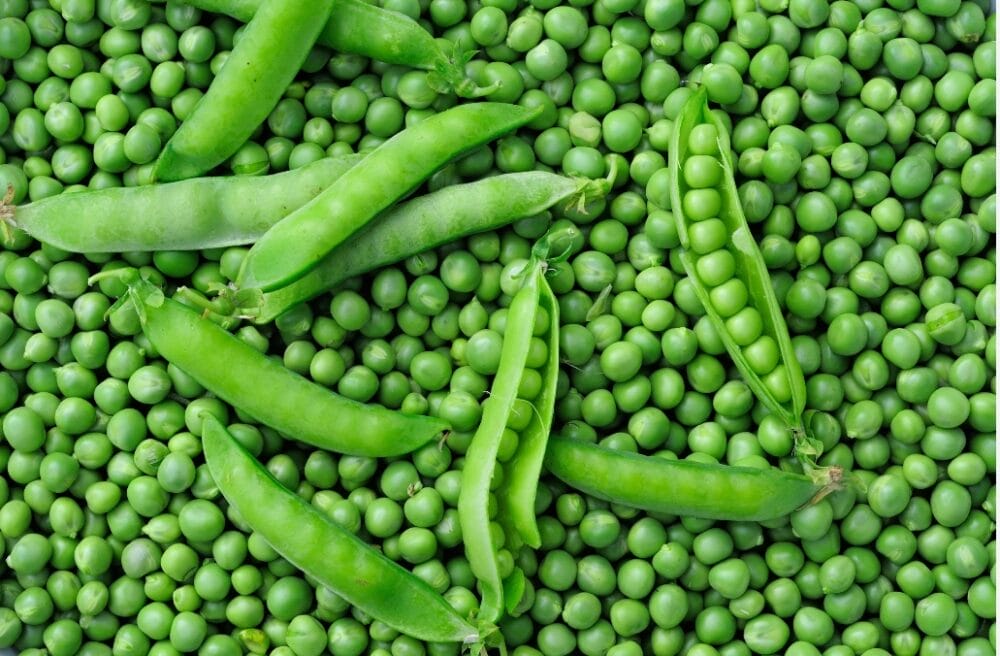
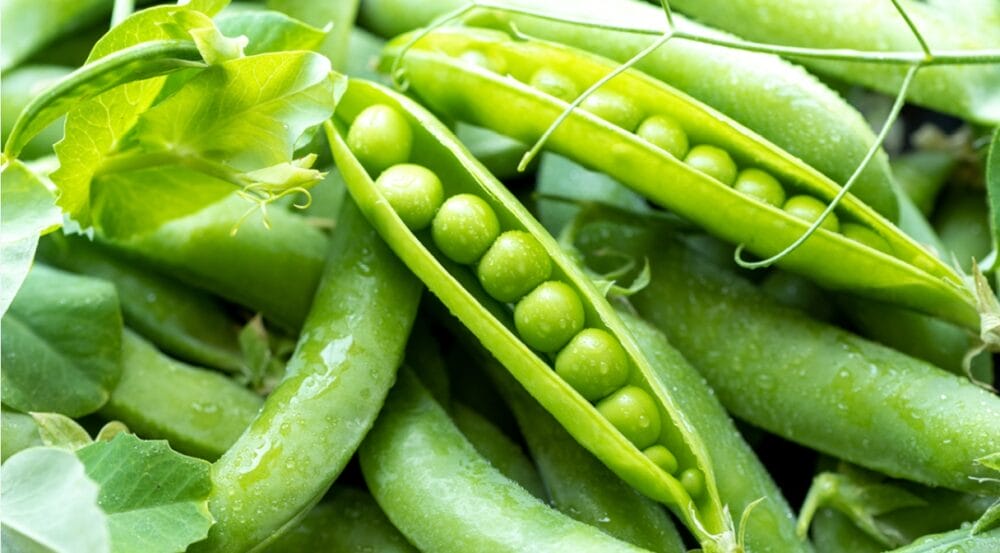
Green pea (Pisum sativum) is one of the most popular winter season vegetable crops grown across India and many parts of the world. Known for its sweet taste, high nutritional value, and wide culinary use, green pea cultivation is profitable for both small-scale farmers and home gardeners.
With proper climate, soil preparation, and crop management, peas can give high yields in a short period.
Here is the nutritional value of green peas (fresh) presented in a table format
| Nutrient | Amount per 100 g |
|---|---|
| Energy | 81 kcal |
| Water | 78 g |
| Carbohydrates | 14.5 g |
| Protein | 5.4 g |
| Total Fat | 0.4 g |
| Dietary Fiber | 5.7 g |
| Natural Sugars | 5.7 g |
| Calcium | 25 mg |
| Iron | 1.5 mg |
| Magnesium | 33 mg |
| Phosphorus | 108 mg |
| Potassium | 244 mg |
| Sodium | 5 mg |
| Zinc | 1.2 mg |
| Vitamin A | 38 µg |
| Vitamin C | 40 mg |
| Vitamin E | 0.1 mg |
| Vitamin K | 24.8 µg |
| Thiamine (Vitamin B1) | 0.27 mg |
| Riboflavin (Vitamin B2) | 0.13 mg |
| Niacin (Vitamin B3) | 2.1 mg |
| Vitamin B6 | 0.17 mg |
| Folate (Vitamin B9) | 65 µg |
Climate and Season for Green Pea Cultivation
Green peas thrive best in cool and mild climatic conditions. The ideal temperature for seed germination is 10–20°C, while plant growth and pod development perform well at 13–25°C. High temperatures reduce flowering and affect pod quality.
In India, green peas are mainly grown during the rabi season:

- North India: Sowing from October to November
- Central and East India: October to early December
- Hilly regions: March to June (summer crop)
Peas are sensitive to frost at the flowering stage, so timely sowing is important.
Soil Requirements
Green peas grow best in well-drained loamy or sandy loam soil rich in organic matter. The soil should have good aeration to support root development and nitrogen-fixing bacteria.
- Ideal soil pH: 6.0–7.5
- Avoid waterlogged and highly acidic soils
- Add organic manure to improve soil fertility
Proper land preparation ensures healthy plant growth and better yields.
Land Preparation
The field should be ploughed 2–3 times to make the soil fine and friable. Remove weeds, stones, and crop residues. Level the land properly to ensure uniform irrigation.
Before sowing, apply:
- Well-decomposed farmyard manure (FYM): 15–20 tons per hectare
- Mix organic manure thoroughly into the soil during final ploughing
Raised beds or ridges are preferred in areas with drainage problems.
Seed Selection and Sowing
Use certified, disease-free seeds of high-yielding varieties suitable for your region. Popular green pea varieties include Arkel, Azad Pea-3, Bonneville, Pusa Pragati, and Jawahar Matar.
Seed Rate
- Early varieties: 80–90 kg/ha
- Late varieties: 70–80 kg/ha
Spacing
- Row to row: 30–45 cm
- Plant to plant: 5–10 cm
Seeds should be sown at a depth of 3–5 cm. Treat seeds with Rhizobium culture and fungicide before sowing to improve germination and prevent soil-borne diseases.
Also Read :Why Tomato Cages Are Actually Terrible
Nutrient Management
Although green peas fix atmospheric nitrogen, balanced fertilization is essential for high yield.
Recommended fertilizer dose per hectare:
- Nitrogen (N): 20–25 kg
- Phosphorus (P₂O₅): 50–60 kg
- Potassium (K₂O): 40 kg
Apply full phosphorus and potassium and half nitrogen as basal dose. The remaining nitrogen can be applied 25–30 days after sowing.
Micronutrients like zinc and boron may be applied if deficiency symptoms appear.
Irrigation Management
Green pea requires moderate irrigation. Excess water can cause root rot and poor plant growth.
Critical stages for irrigation:
- Germination stage
- Flowering stage
- Pod formation stage
Usually, 4–6 irrigations are sufficient depending on soil type and climate. Ensure proper drainage after irrigation.
Weed Control
Weeds compete with pea plants for nutrients and moisture, especially during early growth stages. Manual weeding 20–25 days after sowing is effective.
For large fields:
- Use pre-emergence herbicides as recommended
- Mulching can also help reduce weed growth
Also Read:Top 7 Organic Fertilisers for Coconut Trees
Pest and Disease Management
Common Pests
- Aphids
- Pod borer
- Cutworms
Use neem-based pesticides or recommended insecticides to control pests.
Common Diseases
- Powdery mildew
- Rust
- Wilt
Disease-free seeds, crop rotation, and timely fungicide sprays help reduce disease incidence.
Harvesting and Yield
Green peas are harvested when pods are fully developed, green, and tender. Harvesting should be done at the right stage to ensure good taste and market value.
- First harvest: 55–70 days after sowing
- Harvesting is done in 2–3 pickings
Average Yield
- 6–10 tons per hectare, depending on variety and crop management
Fresh peas should be marketed quickly or stored under cool conditions to maintain quality.
Conclusion
Green pea cultivation is a short-duration and profitable vegetable farming option. With proper climatic conditions, quality seeds, balanced nutrition, and timely crop management, farmers can achieve high yields and good income. It is also suitable for home gardens and kitchen farming due to its low maintenance and fast growth.
Frequently Asked Questions (FAQ)
Q1. Which season is best for green pea cultivation?
Green peas are best grown during the winter (rabi) season in plains and summer in hilly regions.
Q2. How long does green pea take to grow?
Green peas are ready for harvest within 55–70 days after sowing, depending on the variety.
Q3. Can green peas be grown organically?
Yes, green peas can be grown organically using compost, vermicompost, biofertilizers, and neem-based pest control.
Q4. How many irrigations are required for green pea crop?
Generally, 4–6 irrigations are sufficient, with special attention during flowering and pod formation.
Q5. What is the average yield of green pea per hectare?
The average yield ranges from 6 to 10 tons per hectare under good management practices.
Q6. Are green peas suitable for kitchen gardening?
Yes, green peas are ideal for kitchen gardens and can be grown in pots, grow bags, or small plots.
Also Read: Green Pea Cultivation