How to Grow Star Anise
Star anise (Illicium verum) is a tropical evergreen tree known for its star-shaped spice pods and strong licorice-like aroma. Widely used in cooking, medicine, and spice blends, star anise can be grown successfully if you provide the right climate, soil, and care. Although it is slow-growing, it can produce harvestable fruits for decades once established.
In this guide, you’ll learn how to grow star anise step-by-step—from climate requirements to harvesting tips.
Table of Contents
What is Star Anise?
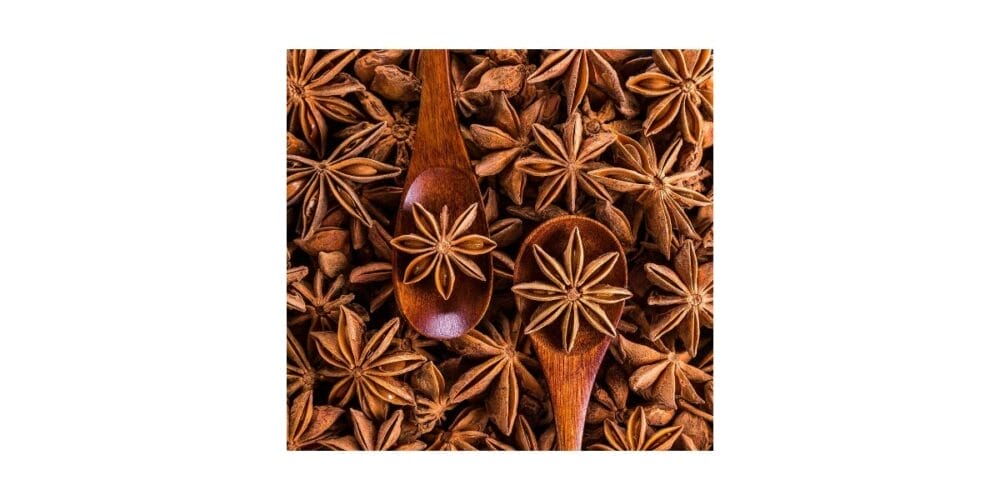
Star anise is a medium-sized evergreen tree that can grow 8–15 meters tall and may start producing fruits after 4–7 years. Once mature, it can produce two harvests annually and remain productive for many years.
It thrives naturally in tropical and subtropical regions with high humidity and consistent rainfall.

Ideal Climate for Growing Star Anise
Star anise requires warm, humid conditions and is highly sensitive to frost. It grows best in tropical to subtropical climates where temperatures stay roughly between 18°C and 30°C. (Gardenia)
Key climate requirements:
- Temperature: 18–30°C is ideal
- Rainfall: Around 1500–3000 mm annually
- Humidity: Above 60–70% preferred
- Frost: Cannot tolerate freezing temperatures
The plant also struggles below about 15°C, so it is best suited to warm regions with mild winters.
Soil Requirements
Good soil is essential for strong root development and healthy fruit production.
Best soil conditions:
- Well-drained loamy soil
- Rich in organic matter
- Slightly acidic to neutral pH (about 5.5–7.5)
Poor drainage or heavy clay soils can cause root rot and disease issues.
Before planting, mix compost or well-rotted manure into the soil to improve fertility and structure.
Sunlight Needs
Star anise grows best in:
- Full sun to partial shade
- At least 6 hours of sunlight daily
In extremely hot climates, light afternoon shade can prevent leaf scorching.
Also Read: How to Grow Saffron: The World’s Most Valuable Spice
Propagation Methods
1. Growing from Seeds
Seeds must be fresh because viability drops quickly. Plant seeds in warm, moist soil about 1–2 cm deep. Germination may take 4–8 weeks.
2. Growing from Cuttings
Semi-hardwood cuttings are more reliable and faster. Treat cuttings with rooting hormone and plant in moist soil.
Planting Star Anise
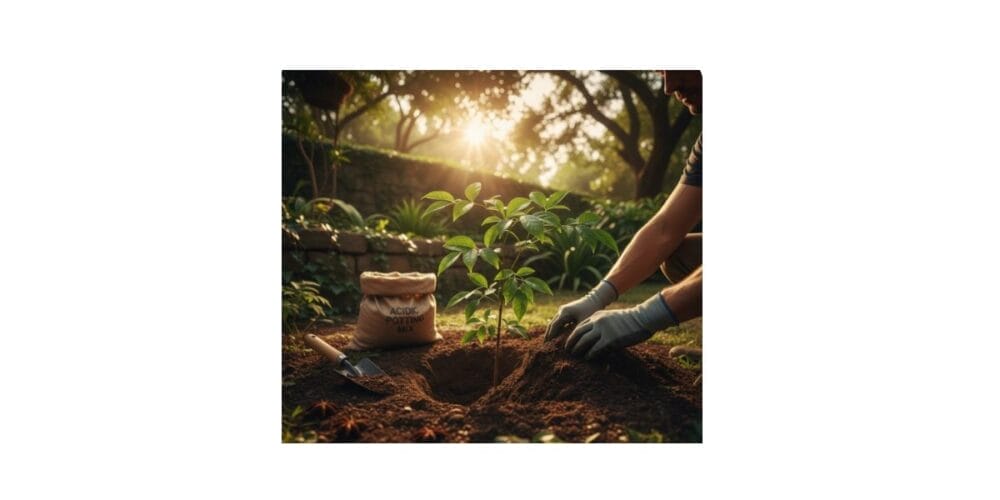
Steps for planting:
- Choose a warm, wind-protected location
- Dig a hole twice the size of the root ball
- Add compost or organic matter
- Plant and firm soil gently
- Water thoroughly
Mulching around the base helps retain moisture and regulate soil temperature.
Watering and Irrigation
Star anise is a moisture-loving plant. Keep soil consistently moist but not waterlogged.
Watering tips:
- Water regularly during growth and flowering
- Reduce watering slightly during cooler seasons
- Ensure good drainage
The plant typically needs high rainfall or frequent irrigation to thrive.
Fertilizer and Nutrient Management
Apply:
- Compost or organic manure yearly
- Balanced fertilizer during active growth
Organic mulches also help improve soil fertility and moisture retention.
Pruning and Maintenance
Star anise trees need minimal pruning. Remove:
- Dead branches
- Diseased stems
- Overcrowded growth
Tip pruning can help maintain shape if grown as a hedge or smaller tree.
Also Read: Ashwagandha Growing Guide: How to Grow Ashwagandha Plant at Home and Farm Level
Flowering and Fruit Production
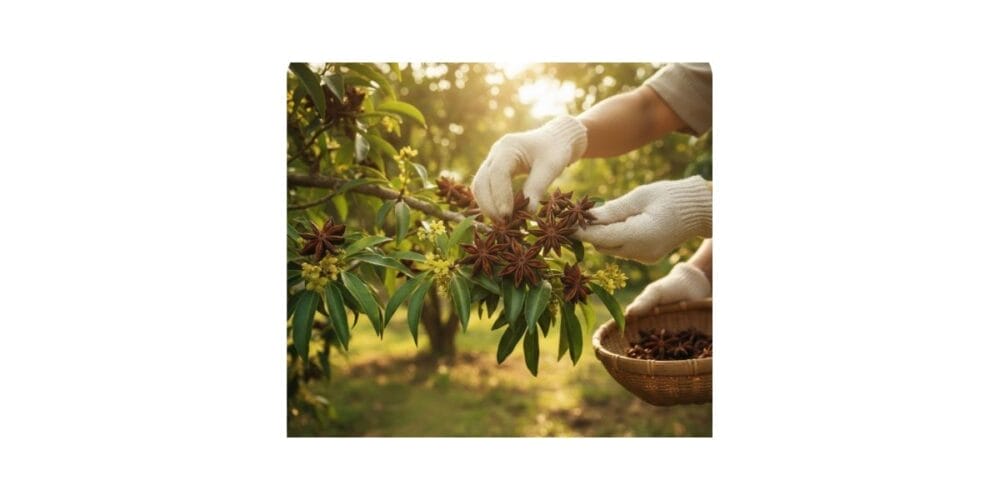
Star anise trees grow slowly and may take several years to fruit. Once mature:
- Fruits are harvested while still green
- Pods are dried in sunlight before use
Trees can remain productive for decades with proper care.
Common Problems and Solutions
1. Root Rot
Cause: Overwatering or poor drainage
Solution: Improve soil drainage and reduce watering
2. Poor Growth
Cause: Low temperature or poor soil fertility
Solution: Improve nutrition and ensure warm conditions
3. Leaf Scorch
Cause: Extreme heat or direct intense sunlight
Solution: Provide partial shade
Tips for Growing Star Anise Successfully
- Grow in warm, humid regions
- Use fresh seeds or healthy cuttings
- Maintain consistent soil moisture
- Protect plants from frost
- Use organic mulch regularly
Is Star Anise Suitable for Home Gardens?
Yes, but patience is required. It grows slowly and needs tropical conditions. In cooler regions, it can be grown in large containers and moved indoors during winter.
Also Read: How to Grow Clove: A Complete Guide for Gardeners and Farmers
Final Thoughts
Star anise is a valuable spice crop and an attractive evergreen tree. Although it requires specific climate conditions and takes time to produce fruits, it is a long-term investment. With proper care, star anise trees can provide harvests for decades while enhancing garden biodiversity.
If you live in a warm and humid region, growing star anise can be highly rewarding—both economically and for home spice production.