3 Reasons to Grow Lemon Balm in Your Garden
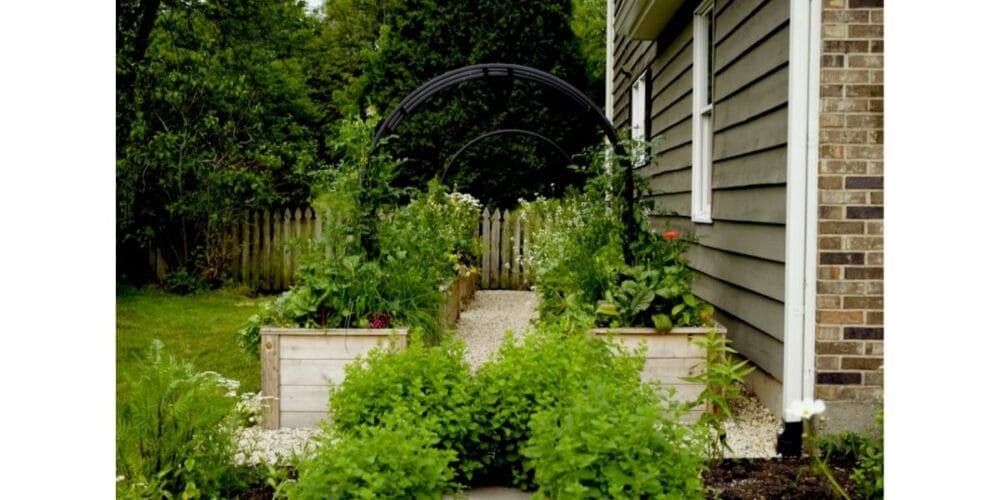
If you’re looking for a low-maintenance herb that smells amazing, attracts pollinators, and offers multiple uses in the kitchen and home, lemon balm deserves a place in your garden. A member of the mint family (Melissa officinalis), lemon balm is known for its fresh citrus fragrance and calming properties. Whether you grow herbs in raised beds, containers, or a backyard plot, lemon balm is one of the easiest and most rewarding plants to grow.
Here are three compelling reasons to grow lemon balm in your garden, along with tips to help you get the most out of this versatile herb.
Table of Contents
1. Lemon Balm Is Easy to Grow and Low Maintenance
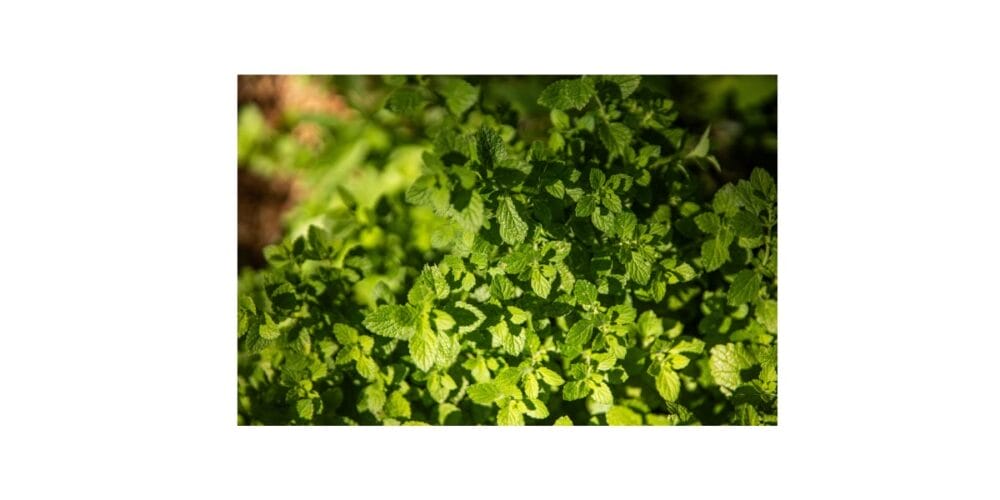
One of the biggest reasons gardeners love lemon balm is its effortless growing nature. Even beginners can enjoy success with this hardy perennial herb.
Thrives in Most Conditions
Lemon balm grows well in a wide range of climates and soil types. It prefers:
- Full sun to partial shade
- Well-draining soil
- Moderate watering
Once established, it becomes fairly drought-tolerant and doesn’t demand constant attention.
Grows Back Year After Year
As a perennial in most regions, lemon balm returns each spring with fresh, vigorous growth. With regular pruning, it produces lush foliage throughout the growing season. This makes it a reliable addition to herb gardens and mixed vegetable beds.
Naturally Resists Pests
Thanks to its strong lemon scent, lemon balm is rarely troubled by common garden pests. Deer, rabbits, and insects tend to leave it alone, reducing the need for chemical sprays or interventions.
Gardening Tip: Lemon balm can spread quickly like other mint relatives. Grow it in containers or prune regularly to keep it under control.
Also Read: How to Grow Your Own Organic Ginger at Home
2. Lemon Balm Supports Pollinators and Garden Health
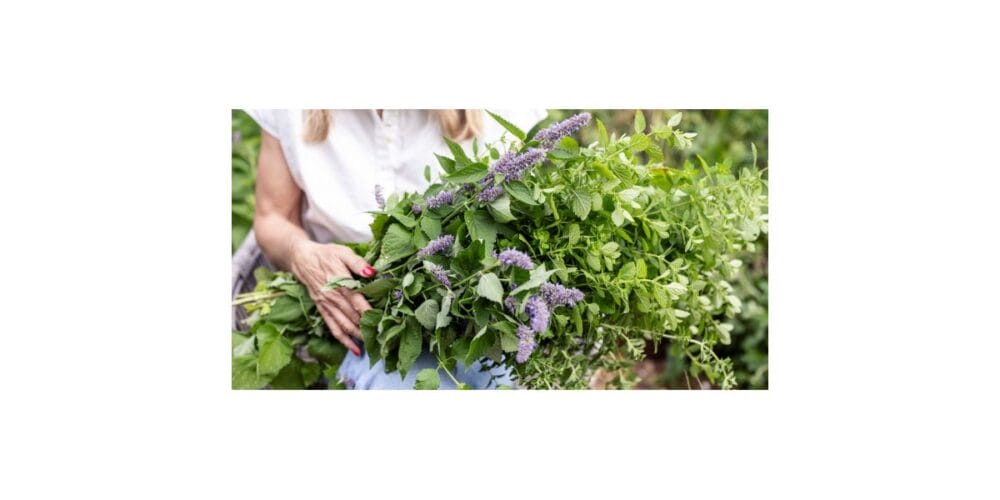
Beyond its ease of growth, lemon balm offers important ecological benefits that can improve your entire garden.
Attracts Bees and Beneficial Insects
Lemon balm produces small, nectar-rich white flowers that are irresistible to:
- Honeybees
- Native bees
- Butterflies
In fact, the plant’s botanical name Melissa comes from the Greek word for “bee.” Planting lemon balm helps support pollinator populations, which in turn improves fruit and vegetable yields in your garden.
Encourages Biodiversity
By attracting beneficial insects, lemon balm helps create a balanced garden ecosystem. Predatory insects drawn to the flowers can reduce aphid populations and other harmful pests nearby.
Improves Companion Planting
Lemon balm pairs well with many vegetables and herbs. When grown near tomatoes, peppers, or squash, it can help increase pollination activity and overall plant vitality.
Garden Benefit: A healthier pollinator population means stronger harvests and more resilient plants throughout your garden.
Also Read: 7 Essential Nutrients for Plants
3. Lemon Balm Has Multiple Uses for Home and Kitchen
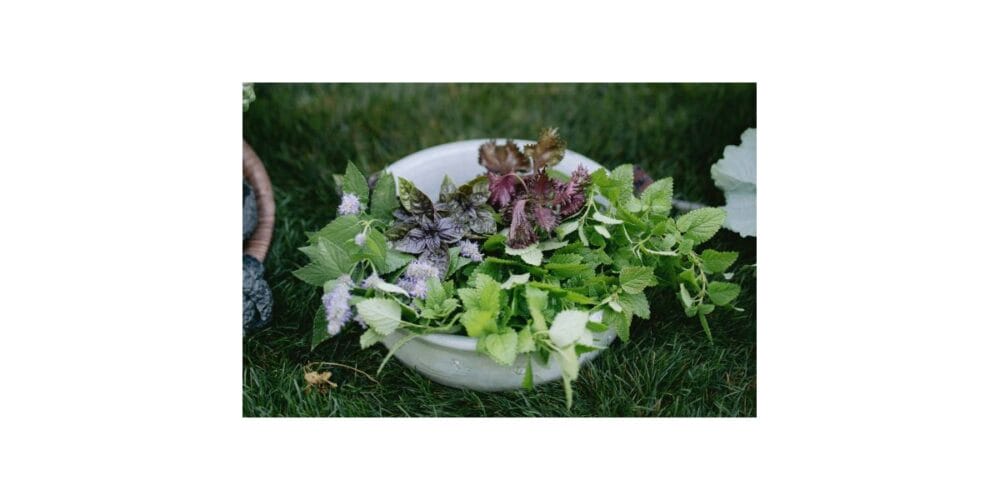
Another major reason to grow lemon balm is its remarkable versatility. From culinary creations to wellness uses, this herb earns its keep.
Culinary Uses
Fresh lemon balm leaves add a mild citrus flavor to:
- Herbal teas
- Lemonades and infused water
- Salads and fruit dishes
- Desserts like sorbets and cakes
Unlike lemon zest, lemon balm offers a gentle, non-acidic citrus note that blends beautifully with other herbs such as mint and basil.
Natural Wellness Benefits
Lemon balm has long been used in traditional remedies for its calming and soothing properties. Home gardeners often use it to:
- Make relaxing teas
- Support digestion
- Promote better sleep
- Reduce stress and mild anxiety
Having fresh leaves on hand means you can easily brew your own herbal tea whenever needed.
Natural Insect Repellent
The lemony oils in lemon balm can help deter mosquitoes and other insects. Crushed leaves can be rubbed on the skin or used in homemade herbal sprays for outdoor gatherings.
Harvesting Tip: Regular harvesting encourages bushier growth and keeps leaves tender and flavorful.
Also Read: How to Grow Anise Hyssop in Your Garden
How to Grow Lemon Balm Successfully
To get the best results from your lemon balm plant, follow these simple tips:
- Planting: Sow seeds in spring or plant nursery seedlings after the last frost.
- Spacing: Space plants 12–18 inches apart to allow airflow.
- Watering: Keep soil consistently moist but not soggy.
- Pruning: Trim back regularly to prevent flowering if you want more leaves.
- Harvesting: Pick leaves in the morning for the best aroma and flavor.
With minimal effort, you’ll enjoy a steady supply of fresh leaves throughout the season.
Final Thoughts
Growing lemon balm in your garden is a smart choice for gardeners of all experience levels. Its easy care, pollinator-friendly nature, and wide range of uses make it a standout herb worth planting. Whether you want to support bees, enjoy fresh herbal teas, or simply add a fragrant plant to your garden, lemon balm delivers on all fronts.
Once you grow it, you’ll wonder how your garden ever went without it.
Also Read: About 3 Reasons to Grow Lemon Balm in Your Garden on gardenary.com Site