How to Grow Mule Flower
The Mimulus guttatus, commonly known as Mule Flower or Monkey Flower, is a beautiful flowering plant loved for its bright yellow blooms and adaptability to different growing conditions. Native to western North America, mule flowers thrive near streams, wetlands, and moist garden beds. Their cheerful flowers attract pollinators such as bees and butterflies, making them an excellent addition to eco-friendly gardens.
If you want to grow mule flowers successfully in your garden, this guide will walk you through everything—from soil preparation and planting to care and maintenance.
Table of Contents
What is Mule Flower?
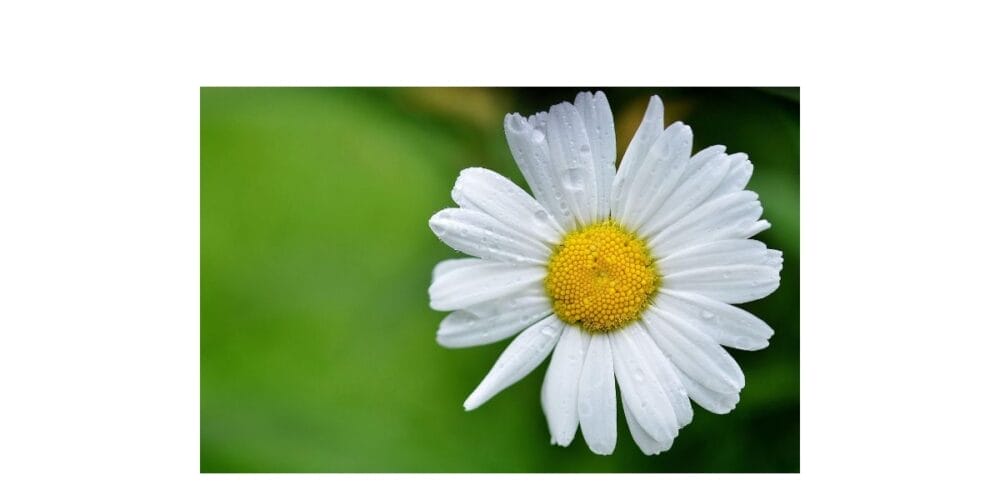
Mule flower belongs to the genus Mimulus, which contains many species of colorful flowering plants. The species Mimulus guttatus is the most common mule flower grown in gardens.
These plants are known for their bright yellow petals with reddish spots, giving them a distinctive appearance that resembles a monkey’s face—hence the name “monkey flower.” Mule flowers are typically grown as perennials in mild climates but can behave like annuals in colder regions.
Ideal Growing Conditions for Mule Flower
To grow healthy mule flowers, it is important to recreate the plant’s natural environment as much as possible.
Climate
Mule flowers grow best in cool to moderate climates. They prefer temperatures between 15°C and 25°C.
Sunlight
These plants grow well in full sun to partial shade. In warmer climates, partial shade helps protect the plant from excessive heat.
Soil
Mule flowers prefer moist, well-drained soil rich in organic matter. Slightly acidic to neutral soil with a pH between 6.0 and 7.0 is ideal.
Water
Since mule flowers naturally grow near streams and wetlands, they require consistently moist soil. However, avoid waterlogging because extremely soggy soil may cause root rot.
Also Read: Parijat Flower Cultivation: A Complete Guide to Growing the Sacred Night-Blooming Tree at Home
How to Plant Mule Flower
Growing mule flowers is relatively simple, especially if you follow the correct planting steps.
1. Growing from Seeds
Mule flowers are most commonly grown from seeds.
Steps to plant seeds:
- Fill seed trays or pots with a well-draining potting mix.
- Scatter the seeds lightly on the surface because they require light for germination.
- Press the seeds gently into the soil without covering them.
- Mist the soil lightly to keep it moist.
- Place the tray in a bright area with indirect sunlight.
Seeds usually germinate within 7–14 days.
2. Transplanting Seedlings
Once seedlings develop 3–4 true leaves, they can be transplanted into the garden.
- Space plants 20–30 cm apart.
- Plant them in moist, fertile soil.
- Water immediately after transplanting.
Caring for Mule Flower Plants
Proper care ensures strong growth and abundant flowering.
Watering
Keep the soil consistently moist. Water regularly, especially during dry weather. Mulching around the plant helps retain soil moisture.
Fertilization
Mule flowers do not require heavy fertilization. Apply a balanced liquid fertilizer once every 3–4 weeks during the growing season to promote flowering.
Pruning
Regular pruning encourages bushier growth and more blooms.
- Remove faded flowers to stimulate new blossoms.
- Trim leggy stems to maintain a compact plant shape.
Mulching
Adding organic mulch such as compost or leaf mold helps retain moisture and improves soil fertility.
Pest and Disease Management
Mule flowers are relatively hardy but may sometimes face pest or disease issues.
Common Pests
- Aphids
- Spider mites
- Whiteflies
You can control these pests using neem oil spray or insecticidal soap.
Common Diseases
The most common disease affecting mule flowers is Powdery Mildew, which appears as white powder on leaves.
To prevent fungal problems:
- Ensure good air circulation.
- Avoid overhead watering.
- Remove infected leaves promptly.
Benefits of Growing Mule Flower
Growing mule flowers provides several benefits for gardeners and the environment.
1. Attracts Pollinators
Mule flowers attract bees, butterflies, and other beneficial insects that help pollinate nearby plants.
2. Decorative Garden Plant
Their bright yellow blooms add vibrant color to gardens, borders, and water-side landscapes.
3. Suitable for Wet Areas
Unlike many plants, mule flowers thrive in moist soil, making them ideal for areas near ponds, streams, or rain gardens.
4. Low Maintenance
These plants require minimal care once established, making them suitable for beginner gardeners.
Also Read: Marigold Farming: A Complete Guide to Profitable Flower Cultivation
Companion Plants for Mule Flower
Mule flowers grow well alongside other moisture-loving plants such as:
- Iris pseudacorus
- Primula vulgaris
- Lobelia cardinalis
These companion plants create a beautiful and balanced garden ecosystem.
Harvesting Seeds
If you want to grow mule flowers again next season, you can easily collect seeds.
- Allow flowers to fade naturally on the plant.
- Seed pods will develop after flowering.
- Once the pods dry and turn brown, collect them carefully.
- Store the seeds in a cool, dry place until the next planting season.
Common Mistakes to Avoid
Many beginners make simple mistakes when growing mule flowers. Avoid these issues for better results.
Overwatering: While mule flowers like moisture, constantly waterlogged soil may cause root rot.
Too much shade: Lack of sunlight may reduce flowering.
Poor air circulation: Crowded planting may encourage fungal diseases.
Frequently Asked Questions (FAQs)
1. How long does it take for mule flowers to bloom?
Mule flowers usually start blooming 6–8 weeks after planting.
2. Can mule flowers grow in containers?
Yes, they grow well in pots or containers, provided the soil stays moist.
3. Are mule flowers perennial?
They are perennials in mild climates, but may behave like annuals in colder regions.
4. Do mule flowers attract pollinators?
Yes, they attract bees, butterflies, and other beneficial insects.
Also Read: Lotus Flower Cultivation: A Complete Guide for Farmers and Gardeners
Final Thoughts
Mule flower is a charming and easy-to-grow plant that brings bright color and ecological benefits to any garden. With proper sunlight, consistently moist soil, and occasional pruning, Mimulus guttatus can thrive and produce stunning blooms throughout the growing season.
Whether you are creating a pollinator garden, decorating a moist landscape area, or simply looking for a low-maintenance flowering plant, mule flowers are a fantastic choice. By following the tips in this guide, you can successfully grow and enjoy these beautiful flowers year after year.