Guide to Planting and Growing Salvia
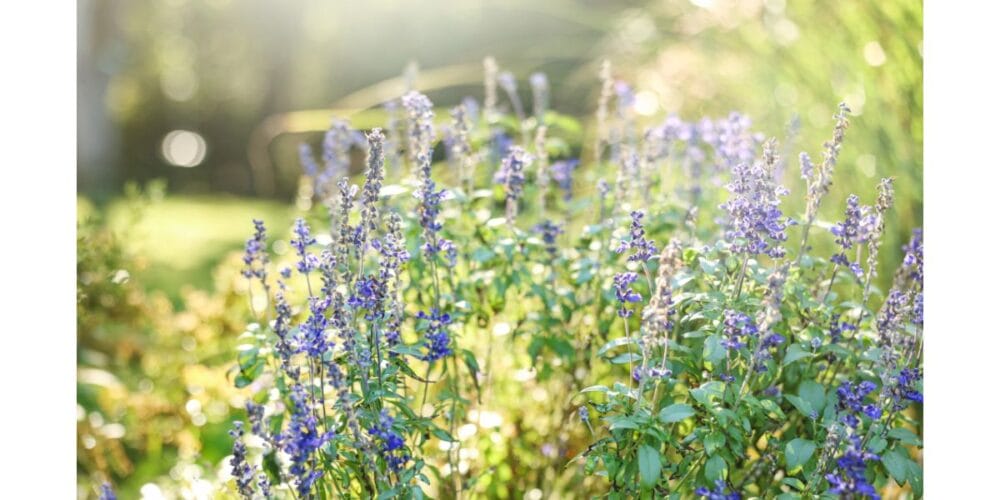
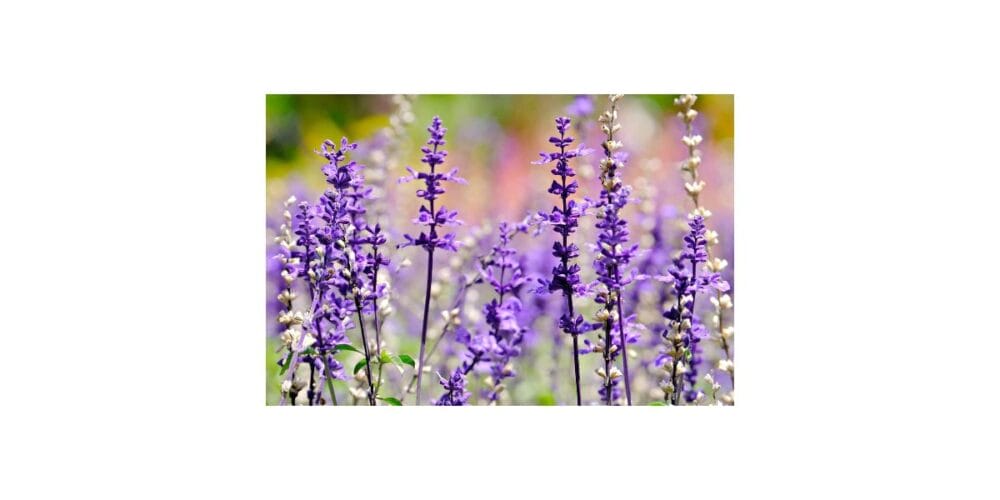
Salvia, commonly known as sage, is a favorite among gardeners for its vibrant flower spikes, aromatic foliage, and exceptional ability to attract pollinators like bees, butterflies, and hummingbirds. With hundreds of species ranging from compact annuals to woody perennials, salvia fits beautifully into flower beds, borders, containers, and pollinator gardens. This complete guide will walk you through everything you need to know about planting and growing salvia successfully.
Table of Contents
Why Grow Salvia in Your Garden?
Salvia is valued not only for its beauty but also for its resilience and versatility. Here are a few reasons gardeners love it:
- Long blooming season from late spring to fall
- Drought-tolerant once established
- Low-maintenance and pest-resistant
- Excellent for pollinators
- Available in a wide range of colors including blue, purple, red, pink, white, and bicolor
Whether you are a beginner or an experienced gardener, salvia is a reliable and rewarding plant.
Types of Salvia to Grow
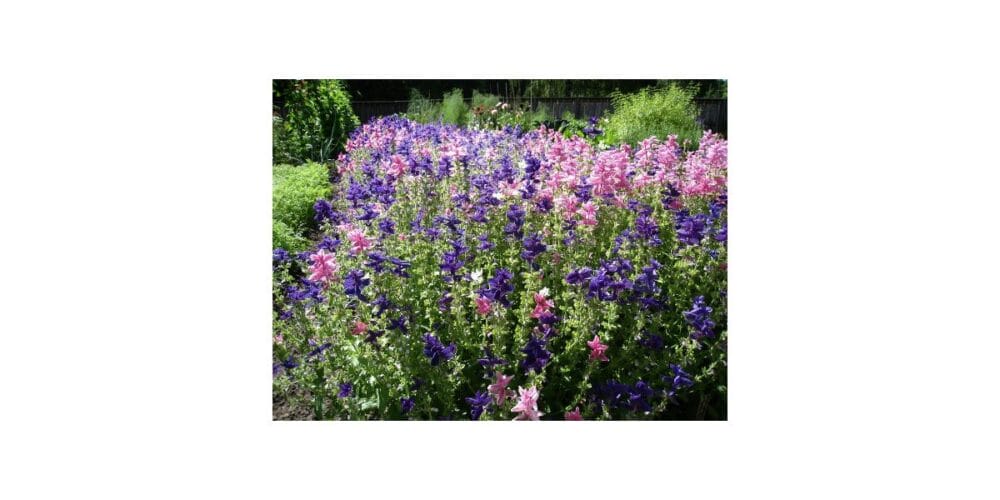
Understanding the different types of salvia helps you choose the right one for your garden.

1. Annual Salvias
These complete their life cycle in one season and are ideal for bright summer color.
Popular varieties:
- Salvia splendens (Scarlet sage)
- Salvia farinacea (Mealycup sage)
2. Perennial Salvias
These return year after year in suitable climates.
Popular varieties:
- Salvia nemorosa
- Salvia guaranitica (Anise-scented sage)
- Salvia officinalis (Culinary sage)
3. Tender Perennials
Grown as annuals in colder regions.
Popular varieties:
- Salvia leucantha (Mexican bush sage)
When to Plant Salvia
Salvia should be planted after the danger of frost has passed. In most regions, this means mid to late spring.
- From seeds: Start indoors 6–8 weeks before the last frost
- From transplants: Plant outdoors once soil has warmed
- From cuttings: Best taken in late spring or early summer
Warm soil and temperatures encourage strong root establishment and faster growth.
Also Read: How Many Blooms Can You Get From One Zinnia Plant?
Choosing the Right Location
Salvia thrives when planted in the right spot.
- Sunlight: Full sun is ideal (at least 6–8 hours daily)
- Soil: Well-draining soil is essential; salvia dislikes soggy roots
- Air circulation: Good airflow reduces disease risk
While salvia tolerates poor soil, it performs best in moderately fertile ground.
How to Plant Salvia
Follow these simple steps for successful planting:
- Dig a hole twice as wide as the root ball
- Place the plant at the same depth it was growing in its container
- Backfill with soil and gently firm it
- Water thoroughly after planting
- Space plants 12–24 inches apart, depending on variety
Adding compost at planting time can help improve soil structure and early growth.
Watering and Feeding Salvia
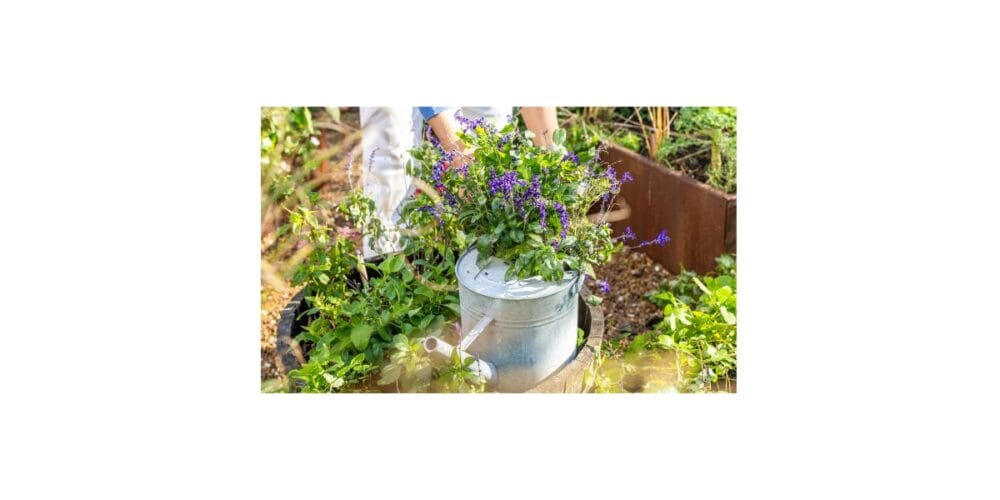
Watering
- Water regularly during the first few weeks after planting
- Once established, salvia is drought-tolerant
- Allow soil to dry slightly between watering
Overwatering is one of the most common mistakes and can lead to root rot.
Fertilizing
- Use a balanced, slow-release fertilizer at planting time
- Avoid excessive nitrogen, which promotes foliage over flowers
- In containers, feed lightly every 4–6 weeks
Salvia generally thrives with minimal feeding.
Also Read: Aloe Vera Plant with Flower: A Rare and Beautiful Sight
Pruning and Deadheading
Pruning plays a key role in keeping salvia healthy and blooming.
- Deadhead spent flowers to encourage continuous blooms
- Mid-season pruning: Cut plants back by one-third if they become leggy
- End-of-season care: Perennial salvias can be cut back after flowering or left for winter interest
Regular maintenance results in bushier plants and more flowers.
Growing Salvia in Containers
Salvia grows exceptionally well in pots, making it perfect for balconies and patios.
- Choose a pot with good drainage holes
- Use high-quality potting mix
- Water more frequently than garden-planted salvia
- Place containers in full sun
Compact varieties like Salvia farinacea and dwarf Salvia splendens are especially suitable for containers.
Common Problems and Solutions
Salvia is generally trouble-free, but occasional issues may arise.
Pests
- Aphids and whiteflies may appear in hot weather
- Treat with neem oil or insecticidal soap
Diseases
- Root rot from overwatering
- Powdery mildew in humid conditions
Proper spacing, good drainage, and airflow prevent most problems.
Winter Care for Perennial Salvia
In colder climates, winter protection helps perennial salvias survive.
- Apply a layer of mulch around the base after the first frost
- Avoid cutting back too early in fall
- In very cold areas, consider growing tender salvias in containers and moving them indoors
In warmer regions, salvia remains evergreen or semi-evergreen.
Also Read: 5 Benefits of Growing Calendula Flowers in Your Vegetable Garden
Final Thoughts
Salvia is a standout plant that offers long-lasting color, minimal care, and exceptional ecological benefits. With proper planting, adequate sunlight, and simple maintenance, salvia will reward you with stunning blooms season after season. Whether you grow it in garden beds, borders, or containers, salvia is a must-have for any flower or pollinator-friendly garden.
By following this guide to planting and growing salvia, you’ll enjoy a healthier garden filled with vibrant flowers and buzzing life all year long.
Also Read: About Guide to Planting and Growing Salvia on gardenary.com Site