Cabbage Cultivation
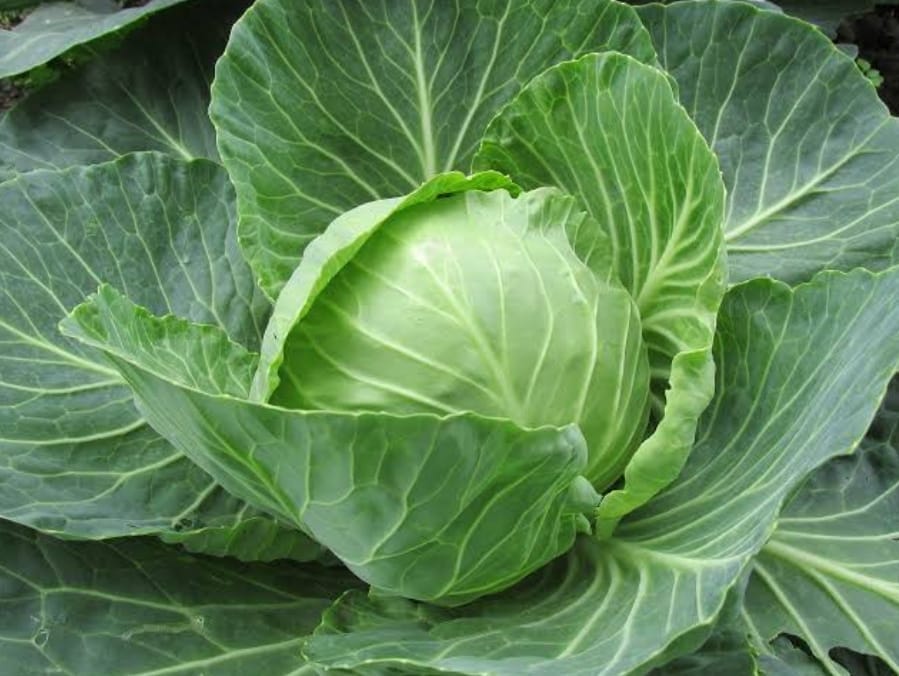
Cabbage (Brassica oleracea var. capitata) is one of the most popular leafy vegetables grown across India and many parts of the world. It is valued for its high nutritional content, good market demand, and suitability for both small-scale and commercial farming. With proper cultivation practices, cabbage offers high yield and good profit to farmers.
This blog provides a detailed guide on cabbage cultivation, from soil preparation to harvesting, along with frequently asked questions.
1. Climate and Season for Cabbage Cultivation
Cabbage is a cool-season crop that grows best in a mild and moist climate. The ideal temperature for cabbage cultivation ranges between 15°C and 25°C. Extremely high temperatures may result in loose heads, while very low temperatures can cause bolting.
In India:




- Northern plains: Nursery sowing from August to September and transplanting from September to October.
- Southern and western regions: Cultivation can be done almost year-round, except during peak summer.
- Hills: Best grown during spring and summer.
2. Soil Requirement
Cabbage grows well in well-drained, fertile loamy soil rich in organic matter. The ideal soil pH should be between 5.5 and 6.8. Avoid waterlogged soils, as they encourage root diseases.
Before planting:
- Plough the field 2–3 times to make the soil fine.
- Add well-decomposed farmyard manure (FYM) at the rate of 20–25 tons per hectare.
- Ensure proper drainage to avoid stagnation of water.
3. Popular Cabbage Varieties
Some commonly grown cabbage varieties in India include:
- Golden Acre
- Pusa Drum Head
- Pusa Mukta
- Pride of India
- Green Express
- Copenhagen Market
Hybrid varieties are also available and offer higher yield and uniform heads.
Also Read:Basics of Composting at Home: A Complete Beginner’s Guide
4. Nursery Raising and Transplanting
Cabbage is usually grown by transplanting seedlings.
Nursery Preparation:
- Use raised nursery beds of 1–1.2 meters width.
- Sow seeds thinly and cover lightly with soil.
- Seed rate: 500–750 grams per hectare.
- Seedlings are ready for transplanting in 25–30 days.
Transplanting:
- Transplant healthy seedlings during evening hours.
- Spacing: 45 × 45 cm for early varieties and 60 × 60 cm for late varieties.
- Irrigate immediately after transplanting.
5. Manure and Fertilizer Management
Balanced nutrition is essential for good head formation.
Recommended fertilizer dose per hectare:
- Nitrogen (N): 120–150 kg
- Phosphorus (P): 60–80 kg
- Potassium (K): 60–80 kg
Apply:
- Full dose of phosphorus and potassium and half of nitrogen at the time of transplanting.
- Remaining nitrogen in two split doses at 30 and 45 days after transplanting.
Organic inputs like vermicompost and biofertilizers can further improve soil health.
6. Irrigation Management
Cabbage requires regular and sufficient moisture throughout its growth period.
- First irrigation: Immediately after transplanting.
- Subsequent irrigation: Every 7–10 days, depending on soil and climate.
- Avoid water stress during head formation, as it affects yield and quality.
- Over-irrigation should also be avoided to prevent root rot.
7. Weed Control and Intercultural Operations
Weeds compete with cabbage plants for nutrients and water.
- Carry out 2–3 hand weedings during early growth stages.
- Shallow hoeing improves aeration and root development.
- Mulching with straw or plastic mulch helps conserve moisture and suppress weeds.
8. Pest and Disease Management
Common Pests:
- Diamondback moth
- Aphids
- Cabbage caterpillar
Also Read:How to Grow, Harvest, and Enjoy Nasturtium Flowers
Control Measures:
- Use pheromone traps.
- Spray neem-based insecticides.
- Follow integrated pest management (IPM) practices.
Common Diseases:
- Black rot
- Downy mildew
- Clubroot
Disease Management:
- Use disease-resistant varieties.
- Practice crop rotation.
- Avoid waterlogging and maintain field hygiene.
9. Harvesting and Yield
Cabbage is ready for harvesting when heads become firm and compact.
- Harvesting time: 90–120 days after transplanting, depending on variety.
- Use a sharp knife to cut the head along with a few outer leaves.
- Average yield:
- Traditional varieties: 25–35 tons per hectare
- Hybrid varieties: 40–60 tons per hectare
Proper harvesting ensures better shelf life and market price.
10. Storage and Marketing
Cabbage can be stored for short periods under cool conditions.
- Ideal storage temperature: 0–1°C
- Relative humidity: 90–95%
- Proper grading and packing increase market value.
Cabbage has steady demand in local markets, hotels, and processing industries.
Conclusion
Cabbage cultivation is a profitable and sustainable farming option when done with proper agronomic practices. By selecting suitable varieties, maintaining soil fertility, managing irrigation, and controlling pests and diseases, farmers can achieve high yields and better income.
With increasing demand for fresh and healthy vegetables, cabbage farming continues to be a rewarding venture for vegetable growers.
Frequently Asked Questions (FAQ)
Q1. How long does cabbage take to grow?
Cabbage takes about 90–120 days from transplanting to harvesting, depending on the variety and climate.
Q2. Can cabbage be grown in summer?
Cabbage prefers cool weather, but heat-tolerant varieties can be grown in mild summer conditions with proper irrigation.
Q3. What is the best fertilizer for cabbage?
A balanced application of nitrogen, phosphorus, and potassium along with organic manure gives the best results.
Q4. How often should cabbage be irrigated?
Irrigation should be done every 7–10 days, more frequently during dry periods.
Q5. What is the average yield of cabbage per acre?
The average yield ranges from 10–25 tons per acre, depending on variety and management practices.
Q6. Is cabbage cultivation profitable?
Yes, cabbage cultivation is profitable due to high demand, good yield, and relatively low input cost.
Also Read:My Complete Guide to Growing Cabbage: From Seed to Harvest