
10 Vegetables That Grow in the Shade
No Full Sun? No Problem for These Garden Favorites!
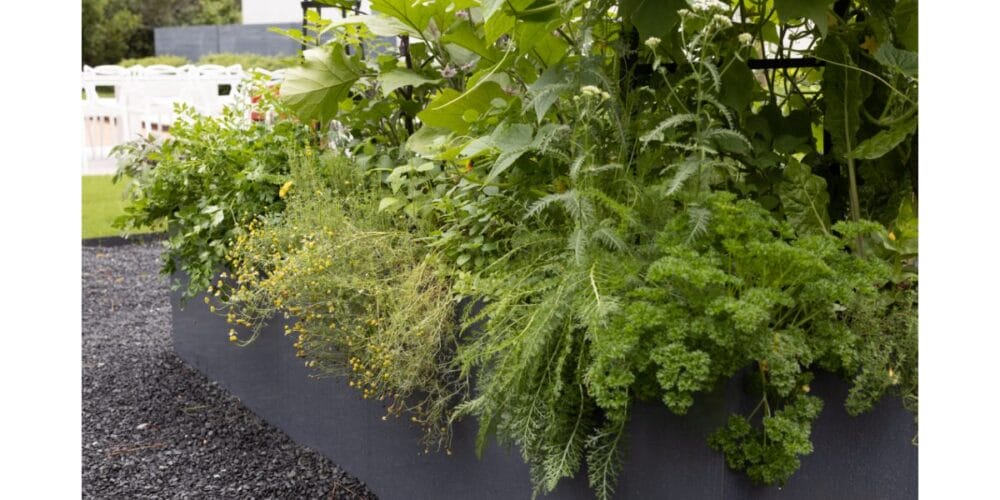
Not every garden gets six to eight hours of direct sunlight—and that’s perfectly okay. Many vegetables actually prefer partial shade, especially in warmer climates where harsh sun can stress plants. If your garden has shaded corners, balconies, or areas under trees or walls, you can still grow a productive and healthy vegetable garden.
In this guide, we’ll explore 10 vegetables that grow well in shade, along with growing tips to help you get the best harvest even without full sun.
Table of Contents
What Is “Shade” in Gardening?
Before we dive in, let’s clarify a few terms:
- Partial shade: 3–5 hours of sunlight per day (often morning sun)
- Dappled shade: Filtered sunlight through trees or structures
- Full shade: Less than 3 hours of direct sun (few vegetables thrive here)
Most shade-loving vegetables grow best in partial or dappled shade.
1. Spinach
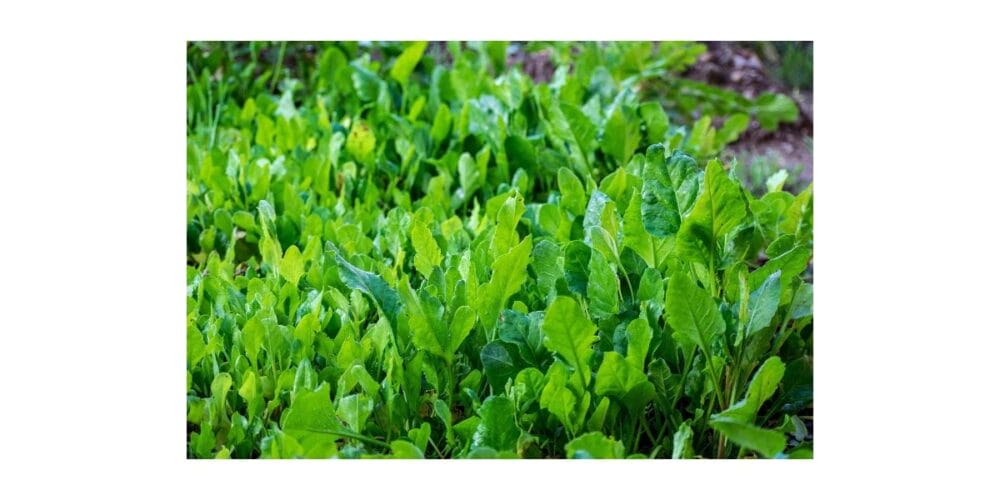
Spinach is one of the best vegetables for shady gardens. In fact, too much sun can cause it to bolt quickly.
Why it works:
- Thrives in cool temperatures
- Prefers partial shade in warm climates
Growing tip:
Plant spinach where it gets morning sun and afternoon shade for tender, sweet leaves.
2. Lettuce
Lettuce is a classic shade-tolerant vegetable and a favorite for container gardening.
Why it works:
- Shallow roots
- Grows well with limited sunlight
Best varieties:
- Loose-leaf lettuce
- Butterhead lettuce
Bonus: Shade helps prevent bitter taste and early bolting.
Also Read: Diseases of Spinach: Identification, Prevention, and Management
3. Kale
Kale is surprisingly adaptable and performs well in partial shade.
Why it works:
- Hardy leafy green
- Shade improves leaf tenderness
Growing tip:
Less sun means slower growth, but the leaves are often sweeter.
4. Swiss Chard
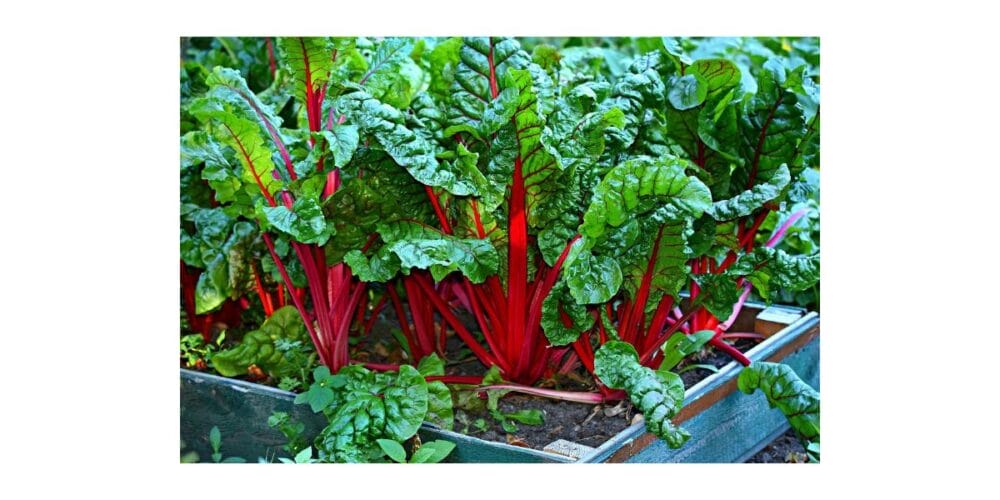
Swiss chard is both productive and ornamental, making it perfect for shaded garden beds.
Why it works:
- Tolerates low light
- Produces continuously
Extra benefit:
Colorful stems brighten up shady spaces.
5. Radishes
If your garden gets limited sunlight, radishes are a quick and rewarding choice.
Why it works:
- Fast-growing root vegetable
- Needs only a few hours of sun
Growing tip:
Loose, well-drained soil is more important than full sunlight.
6. Beetroot (Beets)
Beets can grow in partial shade, especially for leafy greens.
Why it works:
- Beet greens tolerate shade well
- Roots still develop with moderate sun
Pro tip:
Harvest beet greens early for salads while waiting for roots to mature.
Also Read: Beetroot Cultivation: A Complete Guide for Successful Farming
7. Green Onions (Scallions)
Green onions are extremely forgiving and ideal for low-light gardens.
Why it works:
- Minimal sunlight requirement
- Compact growth habit
Where to grow:
Borders, containers, or balcony pots in partial shade.
8. Peas
Peas prefer cooler conditions and can handle partial shade, especially in warmer regions.
Why it works:
- Shade protects from heat stress
- Climbers make good use of vertical space
Growing tip:
Ensure good air circulation to prevent fungal diseases.
9. Broccoli
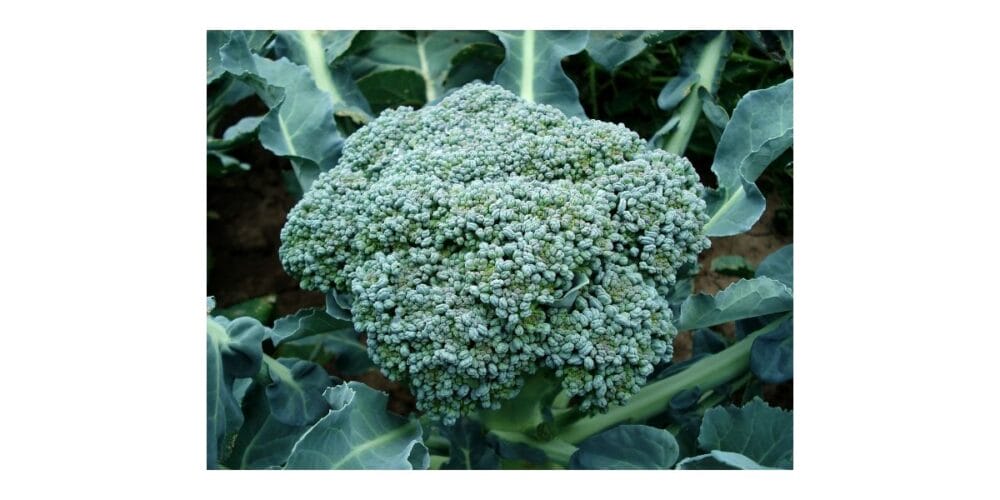
While broccoli prefers sun, it can still produce heads in partial shade.
Why it works:
- Cool-season crop
- Shade slows bolting
Best practice:
Expect slightly smaller heads, but excellent flavor.
10. Coriander (Cilantro)
Coriander grows exceptionally well in partial shade, especially in hot climates.
Why it works:
- Shade delays bolting
- Produces leaves longer
Bonus:
Ideal for kitchen gardens and container growing.
Also Read: How to Grow Your Own Organic Broccoli
Tips for Growing Vegetables in Shade
To make the most of your shaded garden:
- Choose leafy greens over fruiting vegetables
- Improve soil fertility with compost or organic matter
- Water carefully—shaded areas dry more slowly
- Use reflective surfaces (light walls or stones) to bounce light
- Harvest regularly to encourage new growth
Vegetables That Don’t Like Shade (Avoid These)
For best results, avoid planting these in shady spots:
- Tomatoes
- Peppers
- Eggplant
- Cucumbers
- Pumpkins
They need full sun to flower and fruit properly.
FAQs: Shade Gardening for Vegetables
Q1. Can vegetables grow in full shade?
Most vegetables need at least 3–4 hours of sunlight. Full shade limits growth, but some leafy greens may survive.
Q2. Is morning sun better than afternoon sun?
Yes. Morning sun is gentler and ideal for shade-tolerant vegetables.
Q3. Can I grow shade vegetables in containers?
Absolutely! Containers work very well for lettuce, spinach, coriander, and green onions.
Final Thoughts
A shady garden doesn’t mean an unproductive garden. With the right vegetable choices, you can enjoy fresh, healthy harvests even with limited sunlight. Focus on leafy greens, fast growers, and cool-season crops, and you’ll be surprised at how much your shaded space can produce.
Also Read: About 10 Vegetables That Grow in the Shade on gardenary.com Site