Complete Guide to Using Trellises in the Kitchen Garden
If you want a healthier, more productive kitchen garden without expanding its size, trellises are one of the smartest tools you can use. Trellising helps plants grow upward instead of outward, improving airflow, reducing disease, and making harvesting easier. Whether you’re growing cucumbers on a balcony or beans in a backyard bed, this complete guide will show you how to use trellises effectively in your kitchen garden.
What Is a Trellis and Why Use One?
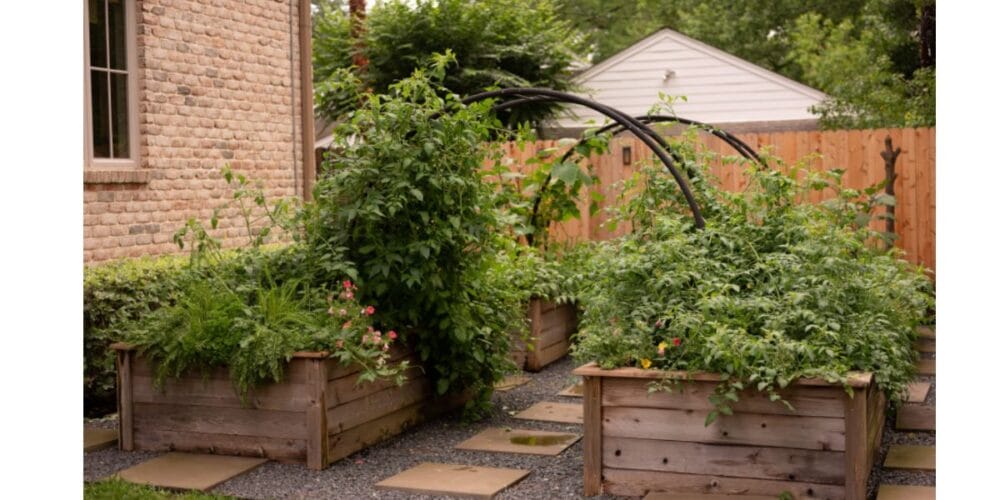
A trellis is a structure that supports climbing or vining plants, allowing them to grow vertically. Common trellis materials include wood, bamboo, metal, wire, or netting. In a kitchen garden—where space is often limited—trellises maximize productivity without overcrowding.
Key Benefits of Using Trellises
- Saves space: Grow more plants in less ground area
- Improves plant health: Better air circulation reduces fungal diseases
- Cleaner produce: Fruits stay off the soil, reducing rot and pest damage
- Easier harvesting: Vegetables are more visible and accessible
- Better sunlight exposure: Leads to even growth and higher yields
Best Vegetables and Herbs for Trellising
Not all plants need support, but many thrive when trained upward.
Ideal Trellis Crops
- Climbing vegetables: Cucumbers, pole beans, peas, bitter gourd, bottle gourd
- Flowering climbers: Malabar spinach, winged beans
- Fruiting vines: Cherry tomatoes, indeterminate tomatoes
- Herbs: Some varieties of peas and climbing nasturtiums
Avoid trellising heavy crops like pumpkins unless you use very strong structures and fruit slings.



Also Read: How to Save Dill Seeds from Your Kitchen Garden
Types of Trellises for the Kitchen Garden
Choosing the right trellis depends on your space, crop type, and garden style.
1. Vertical Panel Trellis
Flat trellises made from wire mesh or wooden slats are ideal for cucumbers and peas. They fit neatly at the back of raised beds.
2. A-Frame Trellis
Shaped like a tent, these are sturdy and great for beans or gourds. They provide shade underneath for leafy greens.
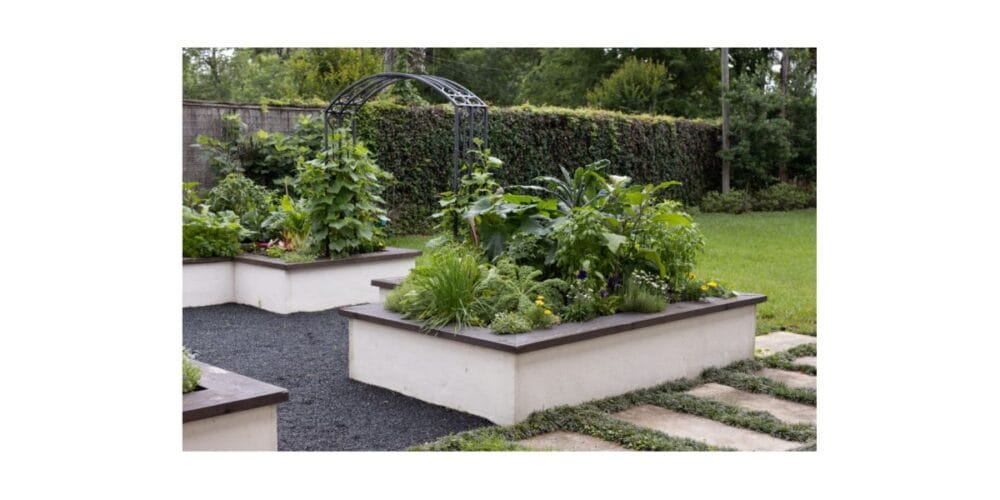
3. Arch or Tunnel Trellis
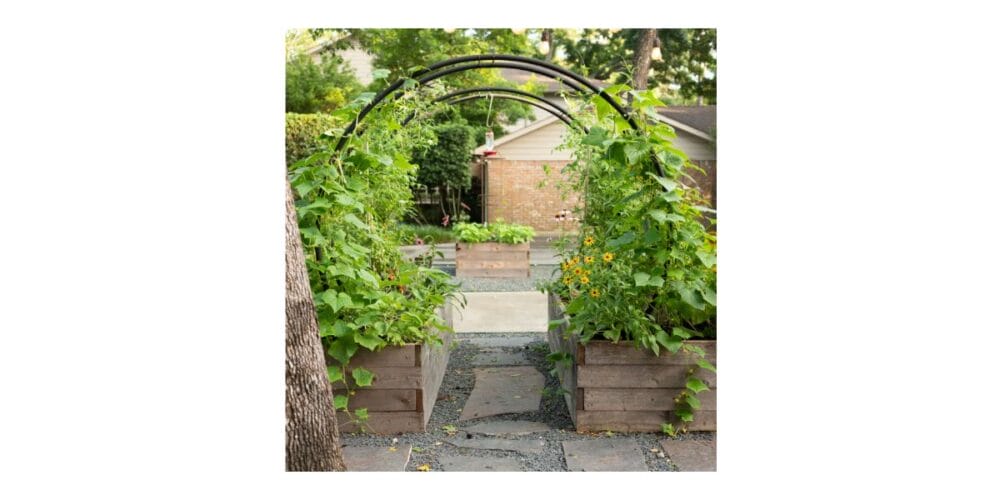
Perfect for pathways, arch trellises add beauty while growing climbers overhead. Beans and cucumbers do especially well here.
4. String or Net Trellis
Lightweight and budget-friendly, these are excellent for peas and tomatoes. They’re easy to install in small spaces or containers.
5. DIY Bamboo Trellis
A popular choice in kitchen gardens, bamboo trellises are affordable, eco-friendly, and strong enough for most climbing vegetables.
How to Install a Trellis Correctly
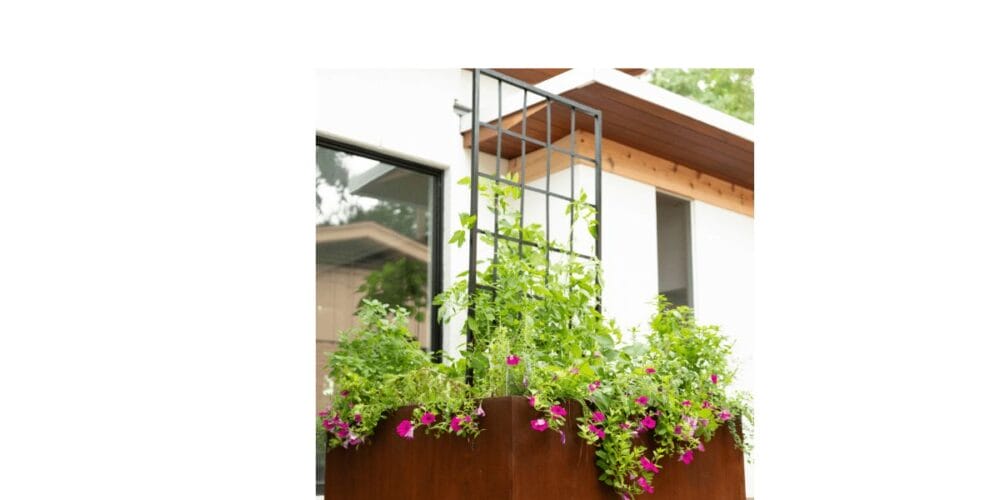
Proper installation ensures your trellis supports plants throughout the season.
Step-by-Step Installation Tips
- Install early: Set up trellises before planting or when seedlings are small
- Secure deeply: Push stakes at least 20–30 cm into the soil
- Position wisely: Place trellises on the north or west side to avoid shading smaller plants
- Allow space: Leave room for airflow and maintenance
A poorly anchored trellis can collapse once plants become heavy, especially after rain or wind.
Also Read: Pansy Flowers Cultivation: A Complete Guide for Beginners
Training Plants on a Trellis
Plants don’t always climb perfectly on their own. Gentle guidance helps them adapt.
Best Training Practices
- Tie stems loosely using jute string or soft plant ties
- Train vines when they are young and flexible
- Avoid tight knots that restrict stem growth
- Check weekly and adjust as plants grow
For tomatoes, remove excess side shoots to focus growth upward and prevent overcrowding.
Common Trellising Mistakes to Avoid
Even experienced gardeners can make mistakes when using trellises.
- Using weak materials for heavy crops
- Overcrowding plants at the base of the trellis
- Installing trellises too late, damaging roots
- Ignoring pruning, leading to tangled growth
Avoid these issues to keep your kitchen garden neat and productive.
Also Read: 5 Benefits of Growing Calendula Flowers in Your Vegetable Garden
Maintenance and Seasonal Care
Trellises require minimal upkeep but shouldn’t be ignored.
- Inspect regularly for loose ties or damage
- Clean trellises at the end of the season
- Store removable trellises in a dry place
- Rotate trellised crops yearly to reduce pest buildup
Proper care ensures trellises last for many seasons.
Final Thoughts
Using trellises in the kitchen garden is a simple yet powerful technique to grow healthier plants, increase yields, and make better use of limited space. From basic bamboo frames to decorative arches, there’s a trellis option for every gardener and budget. With correct installation, regular training, and thoughtful plant selection, trellises can transform your kitchen garden into a productive, organized, and visually appealing space.
Also Read: About Complete Guide to Using Trellises in the Kitchen Garden on gardenary.com Site