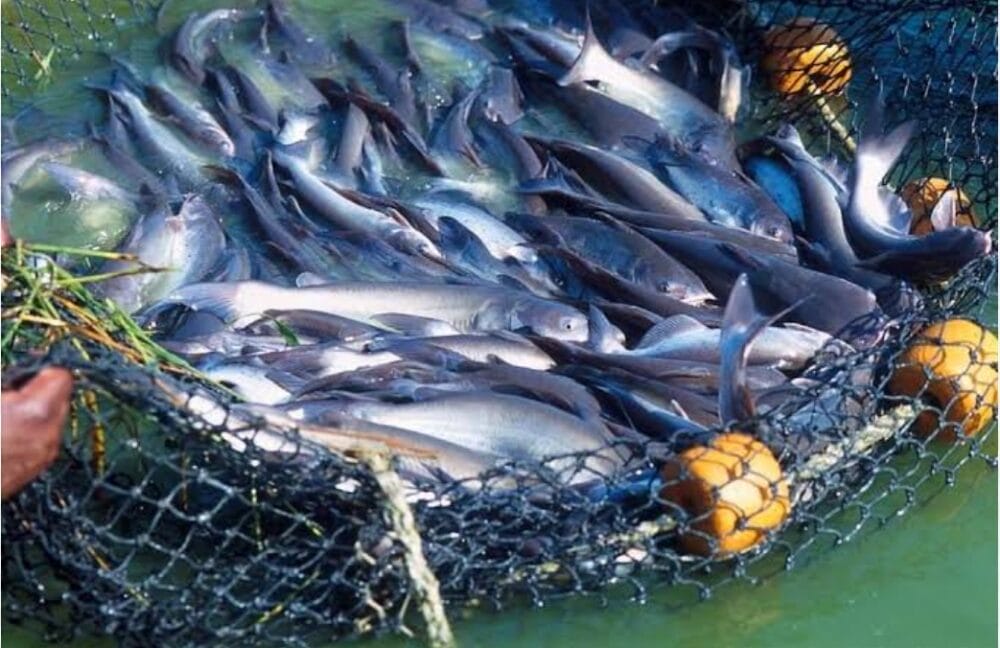
Fish Farming
Fish farming, also known as aquaculture, is the practice of raising fish in controlled environments such as ponds, tanks, cages, or enclosures for commercial, recreational, or subsistence purposes.
With the increasing demand for protein-rich food and declining wild fish stocks, fish farming has emerged as one of the fastest-growing sectors in agriculture worldwide.
In countries like India, fish farming plays a crucial role in food security, employment generation, and rural development.
What Is Fish Farming?
Fish farming involves breeding, rearing, and harvesting fish under managed conditions. Unlike capture fishing, aquaculture allows farmers to control factors such as feed, water quality, stocking density, and disease management. Commonly farmed fish species include carp, tilapia, catfish, trout, salmon, and prawns, depending on climate and water availability.




Also Read:Top 10 Benefits of Organic NPK Fertilizers for healthy plants
Here is a short and simple table on fish farming:
| Aspect | Details |
|---|---|
| Definition | Rearing of fish in ponds, tanks, or cages for commercial production |
| Common Fish Species | Rohu, Catla, Mrigal, Tilapia, Common Carp |
| Water Source | Ponds, rivers, tanks, reservoirs |
| Farming Types | Freshwater, Brackish water, Marine |
| Feed Type | Natural feed, supplementary pellets |
| Culture System | Extensive, Semi-intensive, Intensive |
| Harvest Time | 6–12 months (varies by species) |
| Benefits | High profit, protein-rich food, employment generation |
Importance of Fish Farming
Fish farming offers multiple benefits. It provides a steady supply of affordable animal protein, rich in omega-3 fatty acids, vitamins, and minerals. It also reduces pressure on natural water bodies and wild fish populations.
Economically, fish farming generates income for farmers, creates employment in rural areas, and supports allied industries such as feed production, processing, and transportation.
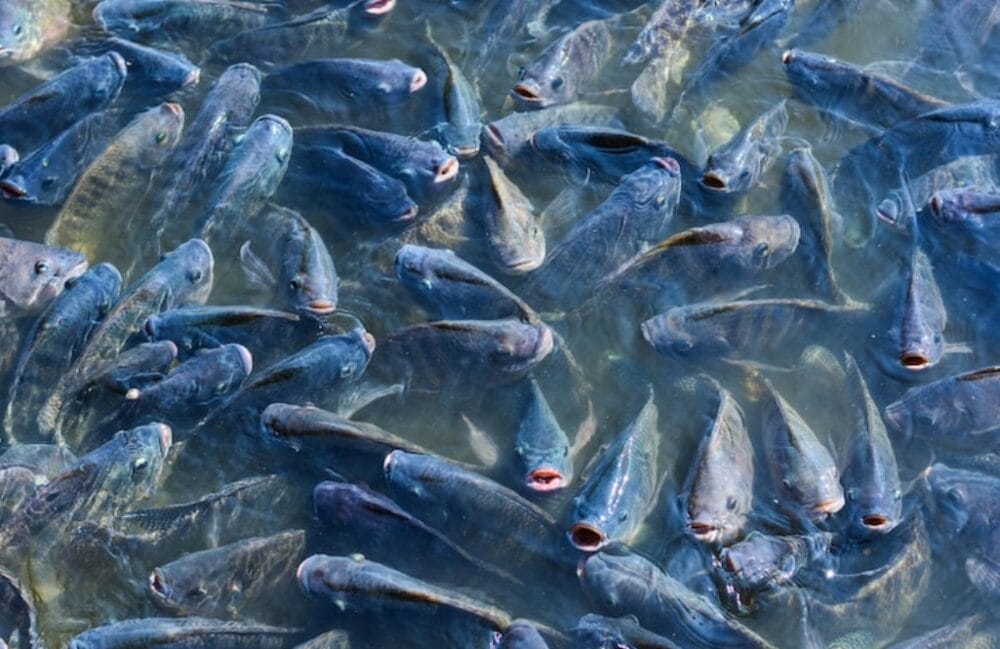
Types of Fish Farming Systems
1. Pond Fish Farming
This is the most common and traditional method, especially in rural areas. Fish are raised in earthen or concrete ponds. It is suitable for species like rohu, catla, mrigal, and tilapia.
2. Tank and Raceway Farming
Fish are reared in cemented tanks or raceways with continuous water flow. This system allows better control of water quality and is ideal for intensive fish culture.
3. Cage Fish Farming
Cages made of nets are placed in lakes, rivers, or reservoirs. Fish are grown inside these cages, making efficient use of natural water bodies.
4. Recirculatory Aquaculture System (RAS)
This is a modern and advanced method where water is continuously filtered and reused. It requires high initial investment but ensures high productivity and biosecurity.
Popular Fish Species for Farming
In India, carp species such as rohu, catla, and mrigal dominate freshwater fish farming. Tilapia is gaining popularity due to its fast growth and adaptability. Catfish, pangasius, and ornamental fish are also profitable options. In coastal areas, shrimp and marine fish farming are widely practiced.
Also Read:Ginger Farming: A Complete Guide for Profitable Cultivation
Fish Farming Process
The fish farming process begins with site selection and pond preparation. Proper soil quality, water availability, and sunlight are essential. After pond preparation, healthy fingerlings are stocked at recommended densities. Feeding is a critical aspect, as quality feed ensures faster growth and better survival rates. Regular monitoring of water parameters like pH, dissolved oxygen, and temperature is necessary.
Disease prevention through hygiene, proper nutrition, and timely treatment helps reduce losses. Finally, fish are harvested when they reach marketable size.
Benefits of Fish Farming
Fish farming offers high returns with relatively low land requirements. It supports nutritional security by providing affordable protein. Fish farming can be integrated with agriculture, such as rice-fish farming, increasing overall farm productivity. It also promotes sustainable use of water resources and contributes to exports and economic growth.
Challenges in Fish Farming
Despite its advantages, fish farming faces challenges such as water pollution, disease outbreaks, high feed costs, and a lack of technical knowledge. Climate change and poor management practices can also affect productivity. However, with proper training, scientific methods, and government support, these challenges can be minimised.
Future of Fish Farming
The future of fish farming looks promising due to rising global fish demand and technological advancements. Innovations like biofloc technology, RAS, and genetically improved fish strains are improving efficiency and sustainability. Government schemes and subsidies are further encouraging farmers to adopt fish farming as a profitable agribusiness.
Conclusion
Fish farming is a sustainable and profitable agricultural activity that supports food security, livelihoods, and economic development. With proper planning, scientific management, and market access, fish farming can become a reliable source of income for farmers and entrepreneurs.
As demand for fish continues to rise, aquaculture will play an increasingly important role in meeting global nutritional needs.
Frequently Asked Questions (FAQ)
1. Is fish farming profitable?
Yes, fish farming is highly profitable when managed properly. Profit depends on species selection, feed quality, water management, and market demand.
2. How much land is required for fish farming?
Fish farming can be done on small or large scales. Even a small pond or tank can generate good income with intensive farming methods.
3. Which fish is best for beginners?
Carp species like rohu and catla, and tilapia are best for beginners due to their hardy nature and easy management.
4. What is the ideal water quality for fish farming?
Most freshwater fish thrive in water with pH 6.5–8.5, good dissolved oxygen levels, and clean, unpolluted conditions.
5. Can fish farming be done at home?
Yes, small-scale fish farming can be done at home using tanks, biofloc systems, or backyard ponds.
6. What are the main risks in fish farming?
The main risks include disease outbreaks, poor water quality, overfeeding, and lack of technical knowledge.
Also Read:Top 10 Benefits of Soaked Almonds: A Simple Habit for Better Health