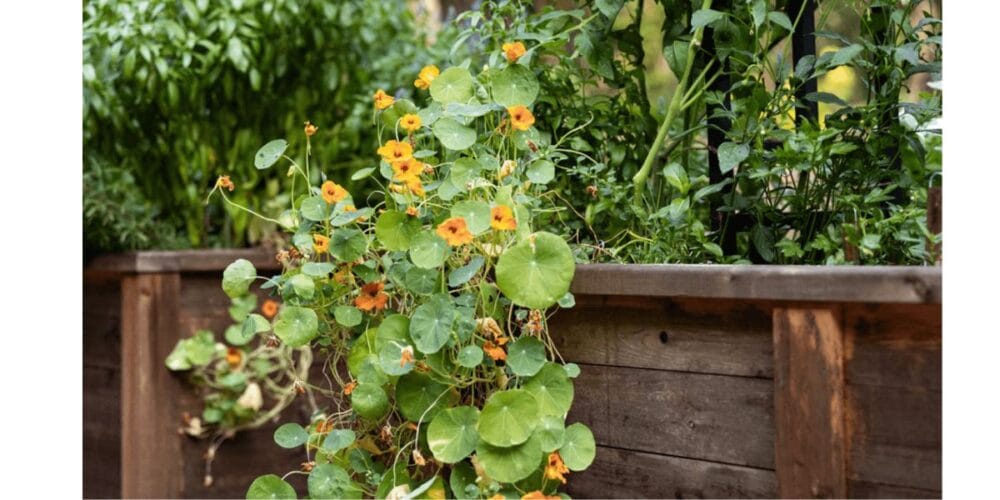
How to Grow Nasturtium Flowers
Nasturtiums are one of the easiest and most rewarding flowers you can grow in your garden. Loved for their vibrant blooms, round lily-pad leaves, and peppery flavor, nasturtium flowers are both ornamental and edible. Whether you’re a beginner gardener or an experienced grower, nasturtiums offer beauty, utility, and minimal maintenance.
In this guide, you’ll learn how to grow nasturtiums successfully, when and how to harvest them, and creative ways to enjoy these cheerful flowers in your garden and kitchen.
Table of Contents
What Are Nasturtium Flowers?
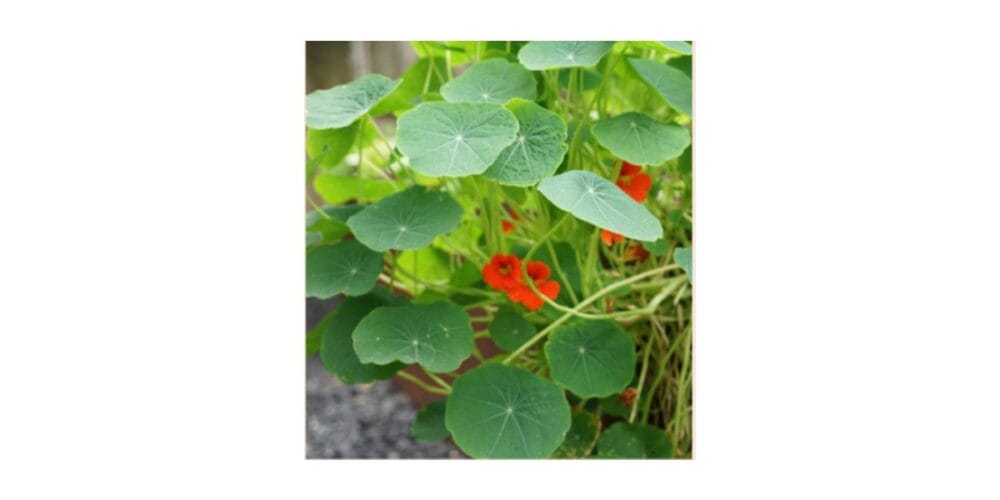
Nasturtiums (Tropaeolum majus) are fast-growing annual plants native to South America. They produce bright flowers in shades of orange, yellow, red, and cream. Both the flowers and leaves are edible, with a slightly spicy, mustard-like taste.
There are two main types:

- Trailing nasturtiums – ideal for hanging baskets and ground cover
- Bush or dwarf nasturtiums – perfect for pots and small gardens
How to Grow Nasturtium Flowers
1. Choosing the Right Location
Nasturtiums thrive in:
- Full sun to partial shade
- At least 6 hours of sunlight daily
- Well-draining soil
They grow exceptionally well in garden beds, containers, raised beds, and even balconies.
Also Read: Marigold Farming: A Complete Guide to Profitable Flower Cultivation
2. Soil Requirements
One unique feature of nasturtiums is that they prefer poor to moderately fertile soil.
- Avoid rich, heavily fertilized soil
- Too much nitrogen leads to leafy growth with fewer flowers
- Ideal soil pH: 6.0–7.0
If your soil is heavy, mix in sand or compost to improve drainage.
3. Planting Nasturtium Seeds
Nasturtiums grow best when directly sown.
When to Plant:
- After the last frost in spring
- Soil temperature above 15°C (60°F)
How to Plant:
- Soak seeds overnight for faster germination
- Sow seeds 1–2 cm deep
- Space plants 20–30 cm apart
- Water gently after planting
Seeds usually germinate within 7–10 days.
4. Watering and Care
- Water regularly, especially during dry periods
- Allow soil to dry slightly between watering
- Avoid overwatering to prevent root rot
Nasturtiums require very little feeding. If necessary, use a diluted organic fertilizer once during flowering.
5. Pest and Disease Management
Nasturtiums are relatively pest-resistant and even act as a trap crop for aphids.
Common issues:
- Aphids (wash off with water or neem oil)
- Powdery mildew in humid conditions
Good air circulation and proper spacing help prevent problems.
Also Read: How to Harvest Celery so It Keeps Growing
When and How to Harvest Nasturtium Flowers
1. Best Time to Harvest
- Harvest flowers in the early morning
- Choose fully opened, fresh blooms
- Young leaves and buds are also edible
Regular harvesting encourages the plant to produce more flowers.
2. How to Harvest Properly
- Use clean scissors or pinch gently by hand
- Avoid damaging the stems
- Harvest no more than one-third of the plant at a time
You can also harvest:
- Leaves – mild peppery flavor
- Seed pods – can be pickled as “poor man’s capers”
How to Enjoy Nasturtium Flowers

1. Culinary Uses
Nasturtiums are a favorite among chefs and home cooks.
Edible Uses Include:
- Fresh flowers in salads
- Leaves in sandwiches and wraps
- Garnish for soups and pasta
- Flower butter and herb spreads
- Pickled seed pods
Their peppery taste adds color and flavor to everyday dishes.
2. Medicinal and Health Benefits
Nasturtiums are rich in:
- Vitamin C
- Antioxidants
- Natural antibacterial compounds
Traditionally, they have been used to support immune health and digestion.
3. Garden and Landscape Uses
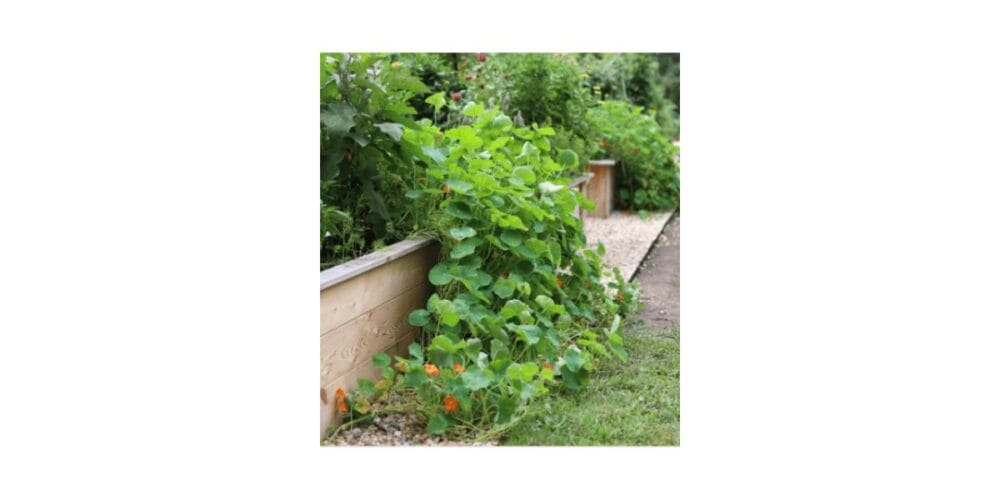
- Ground cover to suppress weeds
- Companion plant for vegetables
- Hanging baskets and window boxes
- Attract pollinators like bees and butterflies
Their trailing habit makes them perfect for adding visual interest.
Growing Nasturtiums in Containers
Nasturtiums grow exceptionally well in pots.
Tips for Container Growing:
- Use a pot with good drainage holes
- Avoid over-fertilizing
- Choose dwarf varieties for small containers
- Water consistently
Containers allow easy harvesting and control over growth.
Also Read: Basics of Composting at Home: A Complete Beginner’s Guide
Common Mistakes to Avoid
- Using rich soil or excessive fertilizer
- Overwatering
- Planting in deep shade
- Ignoring regular harvesting
Keeping care simple is the secret to healthy, blooming plants.
Frequently Asked Questions (FAQs)
Q1: Are nasturtium flowers safe to eat?
Yes, flowers, leaves, and seeds are edible when grown organically.
Q2: How long do nasturtiums bloom?
They bloom from late spring until the first frost.
Q3: Can nasturtiums grow indoors?
They can grow indoors with sufficient sunlight, but perform best outdoors.
Q4: Do nasturtiums reseed themselves?
Yes, they often self-seed and return the next season.
Q5: Why are my nasturtiums not flowering?
Excess nitrogen and low sunlight are the most common reasons.
Final Thoughts
Nasturtium flowers are a gardener’s delight—easy to grow, beautiful to look at, and delicious to eat. With minimal care, they reward you with vibrant blooms that brighten your garden and elevate your meals. Whether grown in pots, beds, or hanging baskets, nasturtiums are a perfect addition to any garden.
If you’re looking for a plant that offers beauty, flavor, and versatility, nasturtiums deserve a spot in your garden this season.
Also Read: About How to Grow, Harvest, and Enjoy Nasturtium Flowers on gardenary.com Site