U.S. Rice Farmers
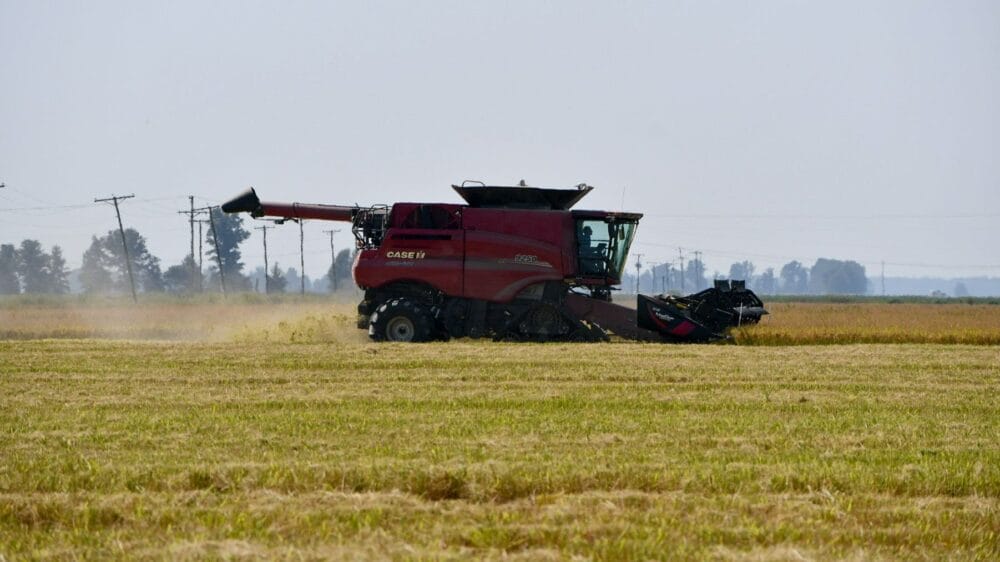
For many rice farmers across the United States, this year has turned into a perfect storm of economic pressure, unpredictable weather, and growing uncertainty. Rising production costs, falling market prices, climate-related challenges, and weaker export demand are making it increasingly difficult for growers to stay profitable.
While agriculture has always carried risks, many U.S. rice farmers say the current season feels especially challenging, with shrinking margins leaving little room for error.
Rising Costs Are Squeezing Farmers Hard
One of the biggest problems facing rice growers this year is the sharp increase in farming expenses.
The cost of essential agricultural inputs has climbed significantly, including:
- Fertilizers
- Fuel and diesel
- Farm machinery maintenance
- Seeds and crop protection products
- Irrigation and electricity costs
- Labor expenses
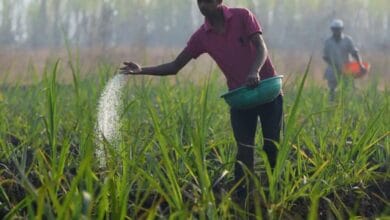
Rice farming is already one of the more resource-intensive agricultural sectors because it requires large amounts of water, machinery, and careful field management.
As operating costs continue to rise, many farmers are finding that the money they earn from selling rice is no longer enough to comfortably cover production expenses.
Rice Prices Are Not Keeping Up

At the same time that costs are increasing, rice prices have not provided the financial relief many growers were hoping for.
Global rice markets remain highly competitive, and price fluctuations are creating uncertainty for American farmers. In some cases, weaker international demand and competition from major rice-exporting countries are putting downward pressure on prices.
This creates a frustrating situation in which farmers spend more to grow crops but do not earn proportionally higher returns when they sell them.
For many producers, profit margins have become dangerously thin.
Also Read: When academic excellence digs into agricultural development | Ludhiana News
The weather is adding more stress
Climate and weather conditions are also making this year especially difficult.
Some rice-growing regions have experienced the following:
- Excessive rainfall and flooding
- Delayed planting seasons
- Drought concerns and water shortages
- Extreme heat during critical growth stages
- Storm-related crop damage
Rice cultivation depends heavily on stable weather and reliable irrigation systems. Even small disruptions during planting or harvesting can affect crop quality and yield.
In several farming areas, unpredictable weather patterns have made it harder for growers to plan effectively and manage risks.
Water Availability Remains a Major Concern
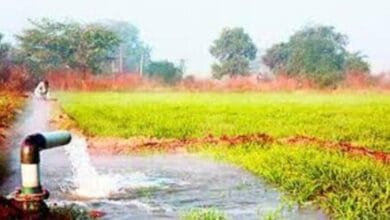
Rice farming requires substantial amounts of water, and water-related challenges are becoming increasingly serious across many agricultural regions in the United States.
In areas facing drought conditions or declining water supplies, farmers are dealing with:
- Higher irrigation costs
- Restrictions on water use
- Reduced water availability from reservoirs and rivers
- Concerns about long-term sustainability
Water uncertainty not only affects current production but also raises questions about the future viability of rice farming in some regions.
Export Challenges Are Hurting the Industry
The U.S. rice industry relies heavily on exports, and global trade conditions play a major role in farmer income.
This year, several factors have complicated export opportunities, including:
- Increased competition from other rice-producing countries
- Currency fluctuations
- Global economic uncertainty
- Supply chain disruptions
- Trade-related tensions and policy changes
When export markets weaken, domestic rice supplies can increase, further pressuring prices for farmers already struggling with rising costs.
Farmers Are Facing Emotional and Financial Pressure
Behind every rice field is a farming family dealing with real financial stress.
Many farmers are worried about:
- Loan repayments
- Rising debt levels
- Long-term farm sustainability
- Uncertain future profits
- Passing farms on to the next generation
Agriculture is more than just a business for many rural families—it is a way of life built over generations. Difficult farming years can create both emotional and economic strain within farming communities.
Some Farmers Are Adapting Through Innovation
Despite the challenges, many rice growers are looking for ways to adapt and reduce risk.
Some are adopting:
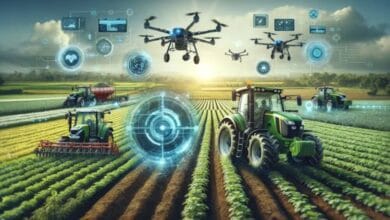
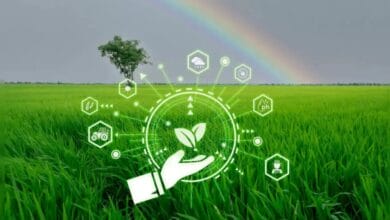
- Precision agriculture technologies
- Water-saving irrigation methods
- Climate-resilient crop varieties
- Improved fertiliser efficiency practices
- Alternative crop rotations
Technology and sustainable farming practices are helping some producers reduce costs and improve efficiency, although transitioning to new systems often requires additional investment.
Government Support and Policy Discussions Continue
Farmer organisations and agricultural groups are urging policymakers to provide stronger support for the rice sector during difficult economic periods.
Discussions often focus on:
- Financial assistance programs
- Crop insurance support
- Water infrastructure investment
- Export market development
- Climate adaptation initiatives
Many farmers believe long-term policy support will be necessary to help the industry remain competitive and sustainable.
The Future of U.S. Rice Farming
Even with current challenges, rice remains an important crop for American agriculture and global food supply chains. U.S. rice farmers are known for producing high-quality rice and using advanced farming technology.
However, the industry is entering a period where resilience, efficiency, and adaptability will become increasingly important.
The future of rice farming may depend on how effectively growers can balance the following:
- Rising production costs
- Environmental sustainability
- Climate risks
- Global market competition
- Technological innovation
Final Thoughts
For U.S. rice farmers, this year has become a difficult reminder of how vulnerable agriculture can be to economic and environmental pressures.
Higher costs, uncertain weather, weaker market conditions, and water concerns are combining to create one of the most challenging seasons in recent memory. Yet despite the hardships, many farmers continue working to adapt, innovate, and protect the future of their farms.
Their struggle also highlights a larger global issue: feeding the world sustainably while ensuring farmers themselves can survive financially in an increasingly unpredictable agricultural landscape.
Also Read: Why it’s a bad year to be a U.S. rice farmer
-
-

-

-

-
-

-
-
-

-

-
-

-

-

-

-
-
-
-

-
-
-
-

-
-
-
-
-
-

-
-

-
-

-
-
-
-
-
-
-
-
-

-
-
-
-
-
-
-
-