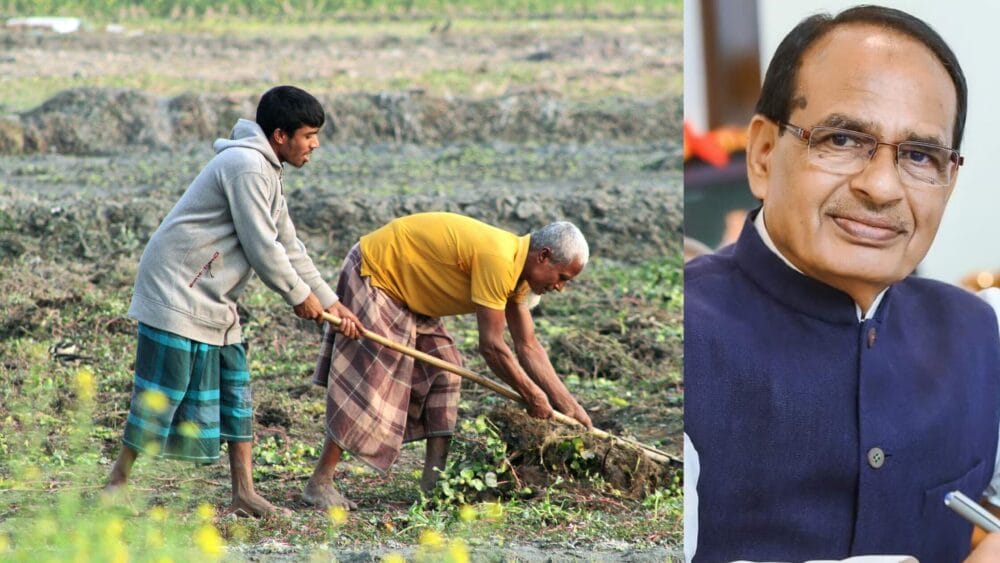
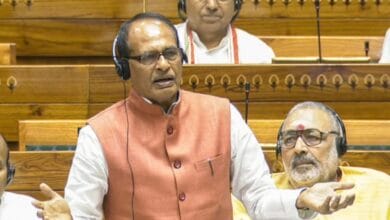
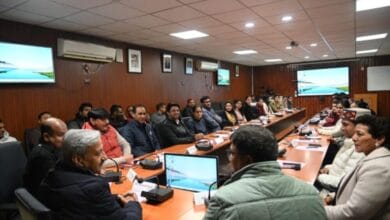
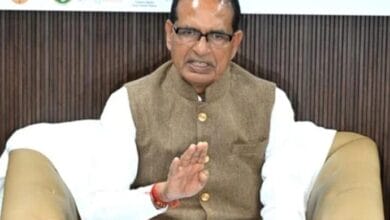
The Ministry of Agriculture and Farmers’ Welfare on Monday reviewed a series of major reform initiatives aimed at simplifying procedures for farmers, traders, and stakeholders across the agriculture sector. Union Minister for Agriculture & Farmers’ Welfare and Rural Development, Shivraj Singh Chouhan, stated that the ministry will fast-track reforms under Prime Minister Narendra Modi’s “Reform Express” vision to make agricultural governance more transparent, technology-driven, and efficient.
During the meeting, Agriculture Secretary Atish Chandra briefed the minister on the ministry’s ongoing reforms and upcoming policy measures.
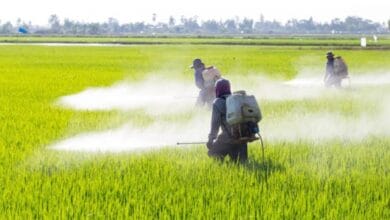
One of the key reforms highlighted was the simplification of the licensing process for the sale and storage of household pesticides. The application form required for obtaining a licence has been reduced from three pages to a single page. Additionally, physical product leaflets have been replaced with QR codes printed directly on product labels, significantly reducing paperwork and improving convenience.
The reform is expected to benefit more than 40 lakh retailers and grocery shop owners dealing in products such as mosquito repellent mats, coils, liquid vaporisers, and cockroach sprays.
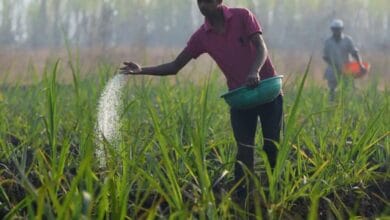
Officials also informed the meeting about major changes introduced in the registration process for new fertilisers under the Fertiliser Control Order (FCO), 1985. Earlier, the approval process required clearance from both the Technical Committee and the Central Fertiliser Committee. The government has now removed the dual-approval mechanism, authorising only the Central Fertiliser Committee to handle approvals. So far, 19 manufacturers and applicants have already benefited from the simplified system.
To improve the ease of doing business in agricultural imports, the ministry announced the successful digital integration of all 649 customs ports across the country. The Plant Quarantine Management System (PQMS) has now been fully integrated with the Indian Customs Electronic Data Interchange Gateway (ICEGATE), enabling a seamless end-to-end digital process.
Under the new system, agricultural commodity importers will only need to submit a single application through ICEGATE, after which the Import Release Order (IRO) will be issued directly through the importer’s online login.
The government has also simplified the import-export process for seeds and planting materials by abolishing the EXIM Committee and removing the requirement to obtain a “Prior Recommendation.” These changes are expected to make seed and planting material trade faster and more convenient.
During the review meeting, officials also presented updates on the ‘Bharat-VISTAAR – AI in Agriculture’ platform, an AI-powered initiative designed to provide farmers with all essential agriculture-related information through a single digital platform. Since the launch of its first phase on February 17, 2026, the platform has reportedly handled more than 44 lakh queries.
Officials noted that farmers previously had to access over 15 separate platforms for agricultural information, whereas the new AI-based system now offers all required information in one place, accessible at any time of the day or night.
As part of another major reform initiative, the government is also considering further streamlining the approval process for new fertilisers under the Fertiliser Control Order (FCO), 1985.
Under the proposed changes, inorganic fertilisers that meet established quality and safety standards may be exempted from mandatory field trials. This move is expected to accelerate the introduction of advanced fertiliser technologies into the market.
Officials stated that an in-principle agreement on the proposal has already been reached, and after consultations with the Indian Council of Agricultural Research, industry stakeholders, and state governments, the reform will be finalised for implementation.
Also Read: Agriculture News
-

-

-
-
-
-

-

-
-

-

-

-

-
-
-
-

-
-

-

-
-
-
-
-

-
-
-

-
-

-

-

-

-

-
-

-

-
-

-
-

-

-

-

-

-

-

-

-

-

-