Tatamida Insecticide – Powerful Protection with Long-Lasting Effectiveness!


Tatamida Insecticide.
Tatamida, manufactured by Tata, is a trusted insecticide belonging to the neonicotinoid group, known for its systemic action and broad-spectrum pest control. Powered by Imidacloprid 17.8% SL, Tatamida ensures quick knockdown of harmful insects while offering long-lasting residual activity. Whether you’re a commercial farmer or a horticulture enthusiast, Tatamida is a reliable solution to safeguard your crops from common and damaging insect pests.
What Makes Tatamida Insecticide a Farmer’s Favourite?
Highly Systemic Action
Tatamida is absorbed by the plant and distributed throughout its tissues, offering inside-out protection. This makes it highly effective against sucking pests that feed on plant sap.
Broad-Spectrum Insecticide
One product controls multiple pests across a wide range of crops, making Tatamida a cost-effective and convenient choice for integrated pest management (IPM).
Quick Knockdown Effect
It acts swiftly upon contact or ingestion, providing fast relief from heavy infestations.




Long Residual Control
Its residual action lasts for several days, minimising the frequency of application and ensuring continued protection against pests.
Effective Termite Management
Tatamida Technical Specification
- Active Ingredient: Imidacloprid 17.8% SL
- Chemical Group: Neonicotinoid
- Mode of Action: Systemic, acts as an insect neurotoxin
- Formulation Type: Soluble Liquid (SL)
- Available Pack Sizes: 50 ml, 100 ml, 250 ml, 500 ml & 1 L
Tatamida Target Crops and Pests
| Crop | Target Insects |
| Cotton | Aphids, Whitefly, Jassid, Thrips |
| Rice (Paddy) | BPH (Brown Planthopper), WBPH, GLH |
| Chilli | Jassids, Aphids, Thrips |
| Sugarcane | Termites |
| Mango | Hoppers |
| Sunflower | Jassids, Thrips, Whitefly |
| Okra | Aphids, Jassids, Thrips |
| Citrus | Leaf miner, Psylla |
| Tomato | Whitefly |
Tatamida’s systemic property makes it especially effective against sucking pests that traditional contact insecticides may fail to control completely.
Tatamida Recommended Dosage and Application
For best results, follow crop-specific dosage recommendations. Always ensure thorough coverage during spraying.
| Crop | Recommended Dose |
| Cotton | 1 ml/litre of water |
| Paddy (Rice) | 80–100 ml/acre in 150–200 litres of water |
| Chilli | 100 ml/acre |
| Sugarcane | 200 ml/acre for termite management |
| Mango | 1 ml/litre of water |
| Sunflower | 100 ml/acre |
| Okra | 100 ml/acre |
| Citrus | 1 ml/liter of water |
| Tomato | 100 ml/acre |
Application Method:
Apply as a foliar spray using a knapsack or power sprayer. For termite management, drenching around the root zone is recommended.
Benefits of Using Tatamida Insecticide
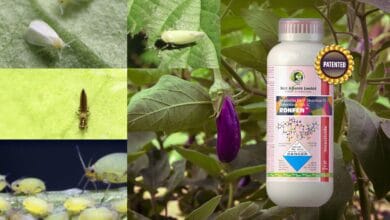
Controls major sucking pests like aphids, whiteflies, jassids, and hoppers
Improves plant health and yield potential by reducing pest stress
Reduced pest resurgence due to prolonged residual activity
Cost-effective due to lower application frequency
Trusted Tata quality backed by advanced formulation technology
Tatamida Alternate Products
If Tatamida is unavailable, you can consider similar products with the same active ingredient (Imidacloprid 17.8% SL):
- Confidor (Bayer)
- Admire (BASF)
- Imida Gold (Indofil)
- Imidacloprid 17.8% SL (Generic brands)
Ensure that the quality, formulation type, and concentration match to maintain efficacy.
Frequently Asked Questions (FAQs)
Q1: Is Tatamida safe for beneficial insects like honeybees?
Tatamida, like other neonicotinoids, can be harmful to bees. Avoid application during flowering and restrict spraying to early morning or late evening when pollinators are inactive.
Q2: Can Tatamida be used in organic farming?
No. As a synthetic insecticide, Tatamida is not approved for organic farming systems.
Q3: How soon can I see pest control results?
You may observe visible results within 24–48 hours due to Tatamida’s fast knockdown action.
Q4: Can I tank-mix Tatamida with other fertilisers or pesticides?
Yes, but always perform a jar test before mixing with other agrochemicals to avoid phytotoxicity or incompatibility issues.
Q5: What is the re-entry period after spraying?
It is advisable to wait at least 24 hours before entering treated fields to avoid exposure.
Final Opinion
Tatamida by Tata is a versatile and powerful insecticide that offers a strong defence against a wide array of sucking pests. With its systemic action, quick effect, and long residual control, it is an ideal choice for both small and large-scale farmers looking for reliable insect pest management. Whether you’re cultivating cotton, rice, or vegetables, Tatamida ensures pest-free crops and better yield outcomes. For best performance, always follow recommended application guidelines, rotate insecticides to avoid resistance buildup, and integrate Tatamida into a broader Integrated Pest Management (IPM) strategy.