Peanut Cultivation
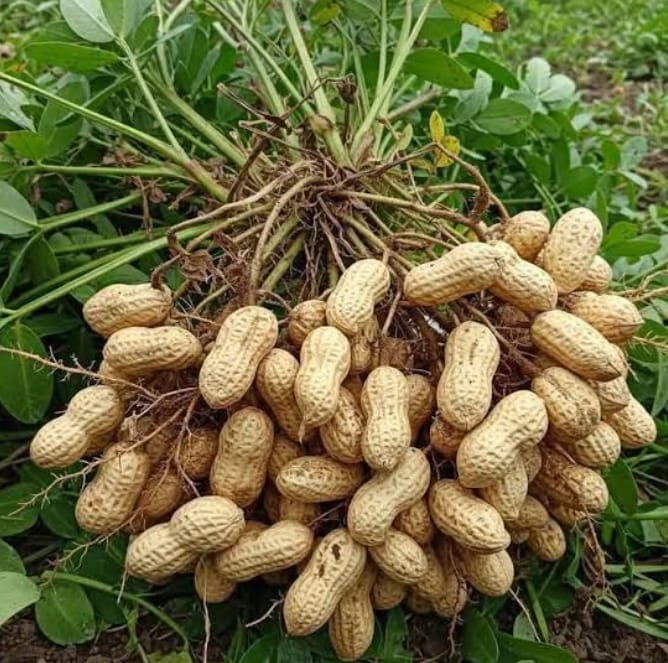
Peanut, also known as groundnut (Arachis hypogaea), is one of the most important oilseed and food crops grown across tropical and subtropical regions. In countries like India, peanuts play a vital role in farmers’ income, edible oil production, and nutrition. Peanuts are valued for their high content of protein, healthy fats, vitamins, and minerals.
Successful peanut cultivation requires proper knowledge of climate, soil, varieties, and crop management practices. This blog provides a complete guide to peanut cultivation, from land preparation to harvesting, along with frequently asked questions.
Table of Contents
Importance of Peanut Cultivation
Peanuts are used in multiple ways—direct consumption, peanut butter, oil extraction, animal feed, and confectionery products. The crop also improves soil fertility by fixing atmospheric nitrogen through root nodules, making it beneficial in crop rotation systems.
Due to its wide adaptability and good market demand, peanut cultivation is highly profitable when managed properly.


Climate Requirements
Peanut is a warm-season crop and grows best in a tropical climate.
- Temperature: Ideal temperature ranges between 20°C and 30°C
- Rainfall: Requires 500–1,000 mm of well-distributed rainfall
- Sunlight: Full sunlight is essential for healthy growth and pod development
Excessive rainfall or prolonged cloudy weather can lead to fungal diseases and poor pod formation.
Soil Requirements
Peanuts prefer light, well-drained soils for proper pod development.
- Best soil types: Sandy loam or loamy soil
- Soil pH: 6.0 to 7.5
- Drainage: Good drainage is essential to avoid waterlogging
Heavy clay soils should be avoided as they restrict peg penetration and pod growth.
Also Read: Organic Sweet Potato Farming
Land Preparation
Proper land preparation is crucial for high yields.
- Plough the field 2–3 times to achieve a fine tilth
- Remove weeds, stones, and crop residues
- Level the land to ensure uniform irrigation
Raised beds or ridges are often recommended in areas prone to water stagnation.
Improved Varieties of Peanut
Selection of suitable varieties depends on region, season, and purpose.
- Spanish types: Short duration, small seeds (e.g., JL 24)
- Virginia types: Large seeds, spreading habit
- Runner types: High yield and oil content
Farmers should choose certified seeds recommended by local agricultural universities.
Sowing Time and Method
- Kharif season: June to July (with onset of monsoon)
- Rabi/Summer season: November to December (under irrigation)
Spacing:
- Rows: 30–45 cm
- Plants: 10–15 cm
Seeds should be treated with fungicides and Rhizobium culture before sowing to prevent diseases and enhance nitrogen fixation.
Seed Rate
- Spanish varieties: 100–125 kg/ha
- Virginia varieties: 120–150 kg/ha
Use bold, healthy, and disease-free kernels for better germination.
Nutrient Management
Although peanuts fix nitrogen, balanced fertilization improves yield.
- Basal dose (per hectare):
- Nitrogen: 10–20 kg
- Phosphorus: 40–60 kg
- Potassium: 40–50 kg
- Calcium and gypsum: Application of gypsum at flowering stage improves pod filling and seed quality.
Also Read: Organic Sweet Potato Farming
Irrigation Management
Peanuts require timely irrigation, especially during critical growth stages.
- Critical stages:
- Flowering
- Peg formation
- Pod development
Avoid over-irrigation as it can cause root rot and fungal diseases. Drip irrigation is an efficient option for water-saving and higher productivity.
Weed Management
Weeds compete with peanuts for nutrients and water, especially during early growth.
- Manual weeding: 2–3 weedings at 15–45 days after sowing
- Mulching: Reduces weed growth and conserves moisture
- Herbicides: Pre-emergence herbicides can be used as recommended
Pest and Disease Management
Common pests:
- Aphids
- Leaf miners
- Termites
Common diseases:
- Leaf spot
- Rust
- Collar rot
Integrated Pest Management (IPM), including crop rotation, resistant varieties, and timely spraying of recommended pesticides, helps reduce losses.
Harvesting
Peanuts are ready for harvest in 100–130 days, depending on the variety.
Signs of maturity:
- Yellowing of leaves
- Inner shell veins turn dark
- Kernels become firm
Harvesting should be done carefully to avoid pod losses. After harvesting, plants are dried for a few days, and pods are separated.
Yield
- Rainfed conditions: 1.0–1.5 tons/ha
- Irrigated conditions: 2.0–3.0 tons/ha
Proper crop management can significantly improve yield and profitability.
Frequently Asked Questions (FAQ)
Q1. Which soil is best for peanut cultivation?
Sandy loam or well-drained loamy soil with a pH of 6.0–7.5 is ideal for peanuts.
Q2. How long does peanut cultivation take?
Peanuts generally take 100–130 days from sowing to harvest, depending on the variety.
Q3. Is peanut a Kharif or Rabi crop?
Peanut is mainly a Kharif crop but can also be grown during Rabi and summer seasons under irrigation.
Q4. Why is gypsum applied in peanut cultivation?
Gypsum provides calcium and sulfur, which are essential for proper pod development and seed quality.
Q5. How can diseases in peanuts be controlled naturally?
Crop rotation, resistant varieties, proper spacing, and good field hygiene help reduce disease incidence naturally.
Q6. What is the average yield of peanuts per hectare?
Under good management, peanuts can yield 2–3 tons per hectare in irrigated conditions.
Conclusion
Peanut cultivation is a rewarding agricultural practice when scientific methods are followed. With proper soil preparation, timely irrigation, balanced nutrition, and effective pest management, farmers can achieve high yields and good profits.
Peanuts not only support farmers economically but also contribute to food security and soil health, making them an essential crop in sustainable agriculture.
Also Read: How Peanuts Grow