How to Start an Herb Garden
Starting an herb garden is one of the most rewarding and beginner-friendly ways to begin gardening. Whether you want fresh flavors for your kitchen, fragrant plants for your balcony, or natural remedies at home, herbs are easy to grow and highly productive. With minimal space, basic tools, and a little care, you can enjoy fresh herbs all year round.
This guide will walk you through everything you need to know about how to start an herb garden successfully.
Table of Contents
Why Start an Herb Garden?
Herbs are beginner-friendly, fast-growing, and incredibly versatile. Compared to vegetables, most herbs require less space, fewer nutrients, and minimal maintenance. Growing your own herbs allows you to:
- Enjoy fresh, chemical-free ingredients
- Save money on store-bought herbs
- Enhance the taste of everyday meals
- Improve your garden’s biodiversity by attracting pollinators
- Reduce food waste by harvesting only what you need
With just a little planning, your herb garden can thrive in almost any environment.
Step 1: Choose the Right Location
Location is the most important factor when starting an herb garden. Most culinary herbs need at least 5–6 hours of sunlight daily.
Best places for an herb garden:
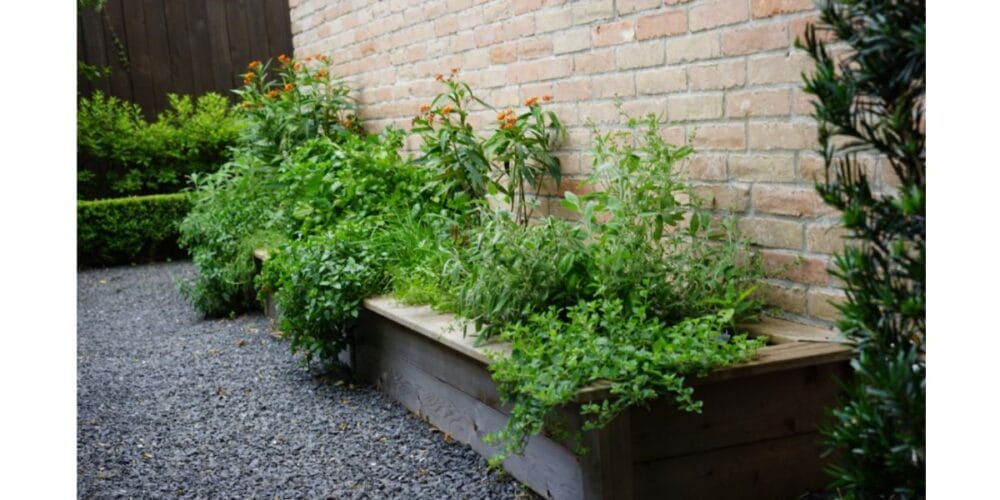
- A sunny backyard or terrace
- Balcony or rooftop garden
- Windowsill with bright light
- Near the kitchen for easy access
If natural light is limited, herbs like mint, parsley, chives, and coriander tolerate partial shade better than sun-loving herbs such as basil, rosemary, and thyme.
Also Read: The Best Types of Basil to Grow in an Herb Garden
Step 2: Decide Between Pots or Ground Planting
You can grow herbs directly in the ground or in containers, depending on your space and preferences.
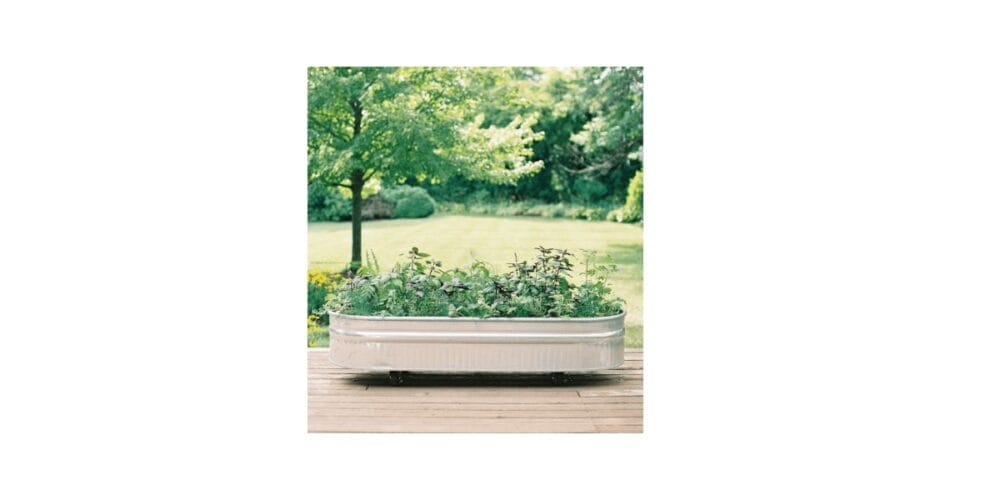
Growing herbs in containers
- Ideal for small spaces and beginners
- Easy to move based on sunlight
- Better control over soil and watering
- Prevents invasive herbs like mint from spreading
Growing herbs in the ground
- Suitable for larger gardens
- Requires proper soil preparation
- Less frequent watering once established
Many gardeners prefer a combination—keeping aggressive growers in pots and planting others in garden beds.
Step 3: Select Herbs for Beginners
Start with herbs that are easy to grow and commonly used in cooking. Avoid planting too many varieties at once.
Best herbs for beginners:
- Basil – Great for warm weather and frequent harvesting
- Mint – Hardy and fast-growing (best in pots)
- Coriander (Cilantro) – Ideal for cool seasons
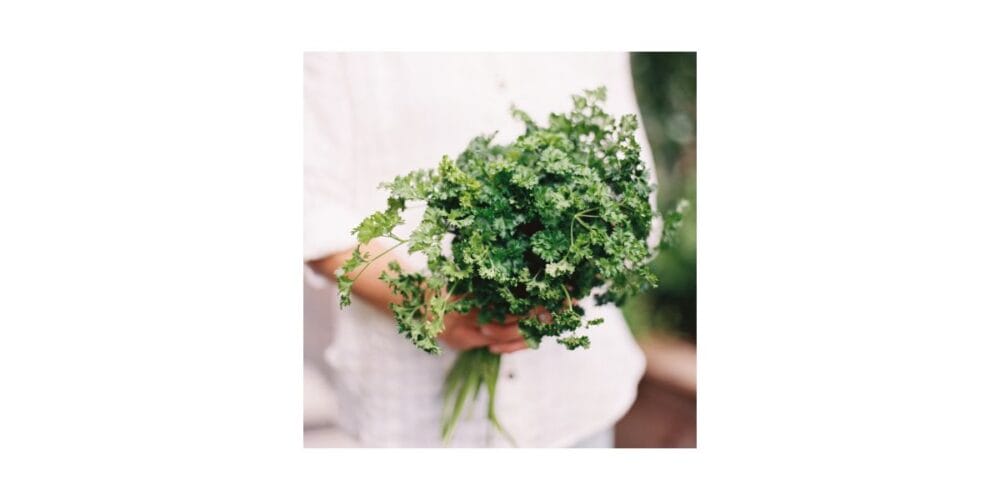
- Parsley – Grows well in partial shade
- Chives – Low maintenance and perennial
- Thyme – Drought-tolerant and compact
Choose herbs based on your cooking habits, climate, and available sunlight.
Step 4: Prepare the Right Soil
Healthy soil is the foundation of a productive herb garden. Herbs prefer well-draining soil rather than heavy or waterlogged soil.
Ideal soil mix for herbs:
- Garden soil or potting soil
- Compost or well-rotted organic manure
- Sand or cocopeat for drainage
Avoid overly rich soil, as too much fertilizer can reduce the flavor and aroma of herbs.
Also Read: Dhania Coriander: The Everyday Herb With an Ancient Story, Powerful Nutrition & Global Fame!
Step 5: Planting Seeds or Seedlings
You can start your herb garden using seeds or ready-made seedlings.
Starting from seeds:
- More economical
- Requires patience and consistent care
- Best for basil, coriander, dill, and parsley
Using seedlings:
- Faster results
- Ideal for beginners
- Works well for rosemary, thyme, sage, and mint
Plant herbs at proper spacing to allow airflow and healthy growth.
Step 6: Watering Wisely
Overwatering is one of the most common mistakes in herb gardening. Herbs prefer slightly dry soil rather than soggy conditions.
Watering tips:
- Water deeply but less frequently
- Allow the topsoil to dry between watering
- Ensure containers have drainage holes
- Water in the morning to prevent fungal issues
Mediterranean herbs like rosemary, thyme, and oregano need less water compared to basil and mint.
Step 7: Feeding and Maintenance
Herbs don’t require heavy feeding. Too much fertilizer can lead to lush growth with weak flavor.
Maintenance essentials:
- Add compost every 4–6 weeks
- Pinch off flower buds to encourage leaf growth
- Prune regularly to keep plants bushy
- Remove yellow or damaged leaves
Regular harvesting actually improves growth and prevents herbs from becoming woody.
Step 8: Harvesting Your Herbs
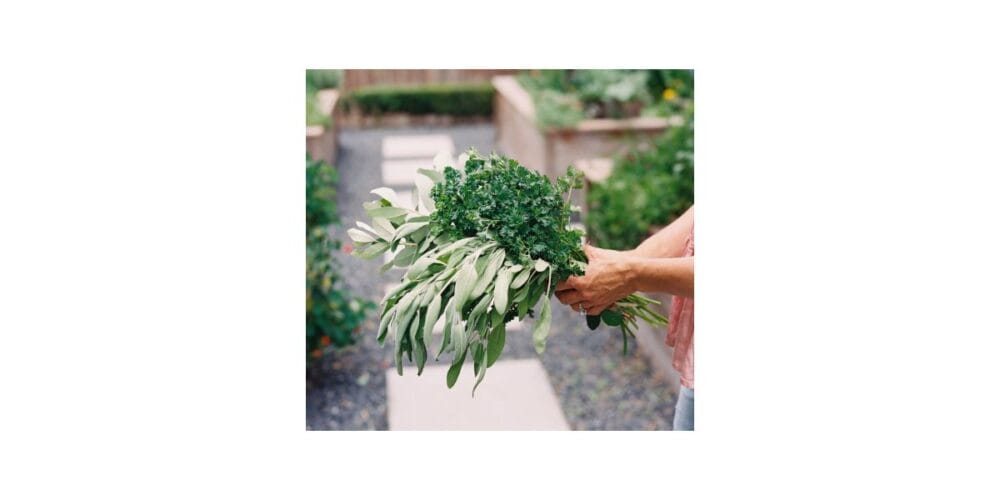
Harvesting correctly ensures continuous growth and better flavor.
How to harvest herbs:
- Cut stems just above a leaf node
- Never remove more than one-third of the plant at once
- Harvest in the morning for best aroma
- Use sharp scissors or pruners
Frequent harvesting keeps herbs healthy and productive.
Also Read: 3 Reasons to Grow Lemon Balm in Your Garden
Common Mistakes to Avoid
- Overwatering or poor drainage
- Growing sun-loving herbs in shade
- Using heavy chemical fertilizers
- Planting invasive herbs directly in the ground
- Ignoring regular pruning
Avoiding these mistakes will make your herb garden much easier to manage.
Final Thoughts
Starting an herb garden is a simple, affordable, and satisfying way to grow your own food. With the right location, good soil, and basic care, herbs flourish even in small spaces. Whether you’re a beginner gardener or someone looking to add fresh flavors to your meals, an herb garden is the perfect place to start. Once you experience the joy of harvesting your own herbs, you’ll never want to go back to store-bought ones again.
Happy gardening!
Also Read: About How to Start an Herb Garden on the gardenary.com Site
-
-
-
-
-

-

-
-
-
-
-
-

-

-

-
-
-
-

-
-
-
-
-
-
-
-
-
-
-
-
-
-
-
-
-
-

-
-
-

-

-
-

-
-

-

-
-
-
-

-