
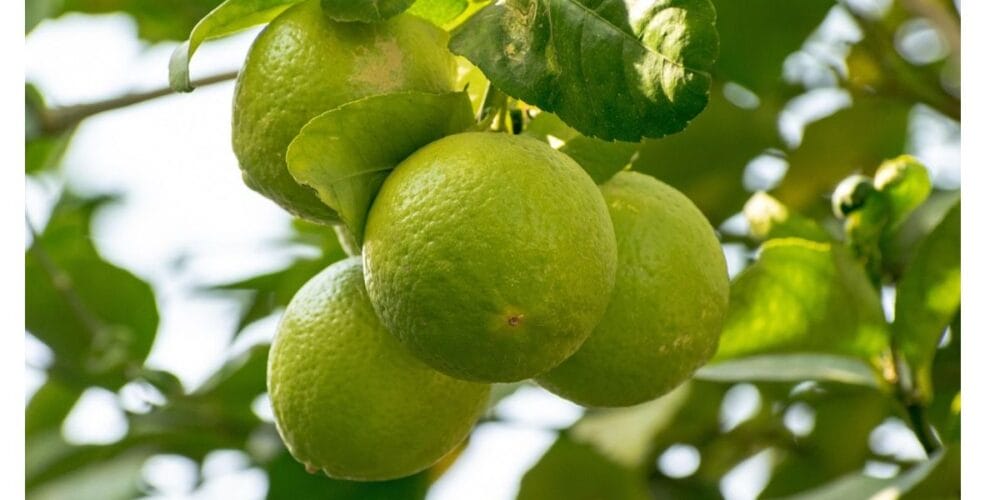
How to Prune a Lime Tree
Lime trees are among the most rewarding citrus plants to grow in home gardens and containers. With glossy green leaves, fragrant flowers, and juicy fruits, they add beauty and productivity to any space. However, proper pruning and fertilizing are essential to keep your lime tree healthy, productive, and easy to manage.
Whether you are growing a lime tree in the ground or in a pot, understanding when and how to prune can improve airflow, encourage fruiting, and prevent disease.
Choosing the right fertilizer also plays a major role in producing lush foliage and abundant limes.
Table of Contents
Why Pruning a Lime Tree Is Important
Pruning helps maintain the overall health and shape of the tree. Lime trees can become overcrowded with branches, reducing sunlight penetration and airflow. Regular pruning offers several benefits:
- Removes dead, diseased, or damaged branches
- Improves air circulation inside the canopy
- Encourages healthy new growth
- Makes harvesting easier
- Prevents pest and fungal problems
- Helps maintain a compact shape for container trees
Citrus experts recommend light annual pruning rather than heavy cutting. Over-pruning can reduce fruit production and expose branches to sunburn.
Best Time to Prune Lime Trees
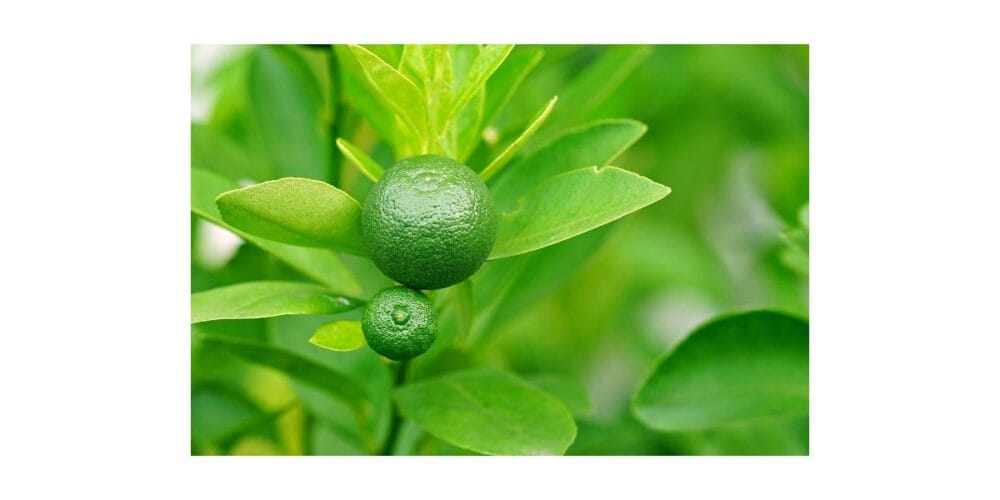
The ideal time to prune lime trees is late winter to early spring, just before the new growth cycle begins. In many regions, this usually falls between February and April.
Avoid pruning during:
- Heavy flowering periods
- Fruit-setting season
- Extreme summer heat
- Frost-prone winter periods
Pruning at the right time helps the tree recover quickly and produce healthy new shoots. Light pruning can also be done after harvesting fruits.
For tropical or warm climates, mild maintenance pruning can be performed throughout the year if necessary. However, major shaping cuts should still be done in late winter or early spring.
Gardeners on Reddit also suggest that citrus trees respond best to pruning during active growth periods, especially early spring. (Reddit)
Also Read: How to Grow a Guava Tree: A Complete Guide for Beginners
How to Prune a Lime Tree Properly
Pruning a lime tree is simple if done correctly. Follow these steps for the best results.
1. Use Clean and Sharp Tools
Always use sterilized pruning shears or loppers. Clean tools reduce the risk of spreading disease between plants.
2. Remove Dead or Diseased Branches
Start by cutting away:
- Dead wood
- Broken limbs
- Diseased branches
- Dry twigs
Cut back to healthy wood or the branch collar.
3. Remove Suckers
Suckers are fast-growing shoots that appear near the base of the trunk or below the graft union. These shoots take energy away from fruit production and should be removed immediately. (UA Cooperative Extension)
4. Thin Crowded Branches
If branches are crossing or rubbing against each other, remove weaker growth to improve airflow and sunlight penetration.
5. Shape the Tree
Aim for an open, balanced canopy. Avoid removing too much foliage at once because citrus trees need leaves to protect branches from sun damage.
6. Avoid Heavy Pruning
Never remove more than 15–20% of the canopy in a single year unless the tree has severe damage. Heavy pruning may delay fruit production.
Pruning Lime Trees in Pots
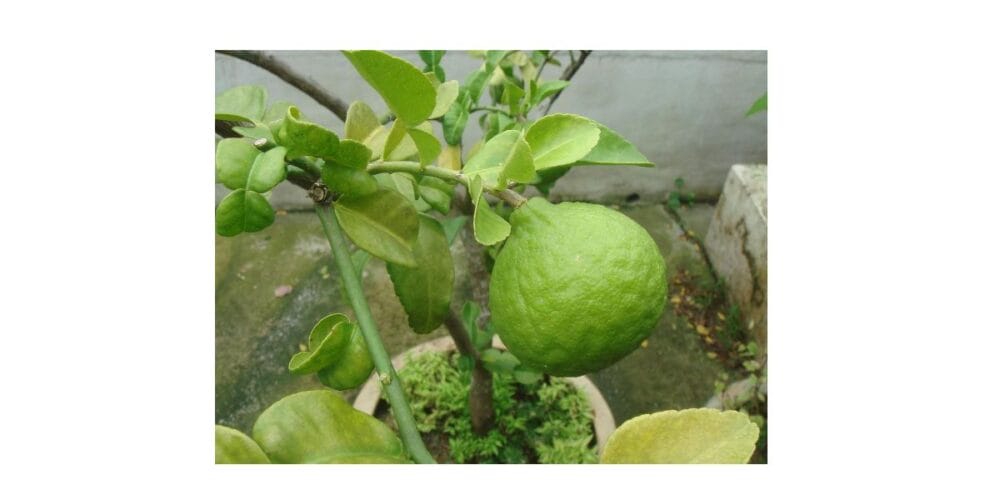
Container-grown lime trees require slightly different care because their growth space is limited. Pruning potted lime trees helps maintain size and encourages healthy fruiting.
When to Prune Potted Lime Trees
The best time to prune potted lime trees is during the dormant or early growth period, generally from late winter to early spring. (Plant Grower World)
Tips for Pruning Lime Trees in Containers
Growing a lime tree in a container is a great way to enjoy fresh citrus even in small spaces like patios, balconies, or terraces. However, container-grown lime trees need regular pruning to stay healthy, productive, and manageable in size. Proper pruning improves airflow, encourages new growth, and increases fruit production.
Here are some practical tips for pruning lime trees in containers.
Maintain a Compact Shape
Prune long branches to maintain a balanced and manageable canopy. This is especially important for patio or balcony gardening.
Aim for:
- A rounded shape
- Open center structure
- Even branch distribution
Avoid removing more than one-third of the tree at one time.
Remove Weak Growth
Container lime trees often develop dense inner branches. Thin them carefully to:
- Improve air circulation
- Reduce fungal diseases
- Allow sunlight to reach all parts of the tree
Remove inward-growing or crossing branches.
Improve Airflow
Thin dense interior growth to prevent fungal diseases caused by excess moisture.
Control Height
Cut back tall shoots to encourage bushier growth and easier harvesting.
Repot When Needed
If roots become crowded, repot the tree into a slightly larger container before the growing season begins.
Experts recommend containers with excellent drainage and a high-quality citrus potting mix for healthy root growth.
Also Read: Which Mango is Best? A Guide to the King of Fruits.
Best Fertilisers for Lime Trees
Lime trees are heavy feeders and require regular fertilization for strong growth and fruit production. Nutrient deficiencies can lead to yellow leaves, poor flowering, and reduced fruit quality.
Important Nutrients for Lime Trees
Lime trees need:
- Nitrogen (N) for leafy growth
- Phosphorus (P) for roots and flowers
- Potassium (K) for fruit development
- Magnesium, iron, zinc, and manganese for overall health
Citrus-specific fertilizers are often the best choice because they include micronutrients essential for citrus plants.
Types of Lime Tree Fertilisers

Granular Citrus Fertilisers
Granular fertilizers release nutrients slowly and are ideal for long-term feeding.
Common citrus fertilizer ratios include:
- 6-4-6
- 8-8-8
- 12-6-6
- 20-20-20
Slow-release fertilizers are especially useful for potted lime trees because nutrients can wash out quickly with frequent watering.
Organic Fertilisers
Organic options improve soil health naturally and support microbial activity.
Popular organic fertilizers include:
- Compost
- Well-rotted manure
- Fish emulsion
- Seaweed extract
- Vermicompost
Mulching with compost around the drip line also helps conserve moisture and feed the roots naturally. (YouTube)
Liquid Fertilisers
Liquid citrus feeds provide quick nutrient absorption and are ideal during active growth periods.
Container-grown lime trees often benefit from liquid feeding every 2–4 weeks during spring and summer.
How Often to Fertilize Lime Trees
In-Ground Trees
- Fertilize 2–3 times yearly
- Apply during spring and early summer
- Avoid late-season fertilization before winter
Potted Lime Trees
- Fertilize more frequently because nutrients leach from containers
- Use diluted fertilizer every few weeks during active growth
- Reduce feeding during winter dormancy
Experts recommend avoiding over-fertilisation because excessive nitrogen can increase leafy growth while reducing fruit production.
Common Pruning Mistakes to Avoid
Over-Pruning
Removing too many branches reduces fruit production and stresses the tree.
Cutting Main Branches Excessively
Avoid cutting large scaffold branches unless absolutely necessary.
Pruning During Frost Risk
Fresh cuts are vulnerable to cold injury.
Ignoring Diseased Wood
Diseased branches should be removed immediately to stop infection spread.
Also Read: Grow Dragon Fruits: Care, Benefits, and Global Significance.
Signs Your Lime Tree Needs Fertilizer
Watch for these common symptoms:
- Yellowing leaves
- Poor fruit set
- Slow growth
- Small fruits
- Pale foliage
Iron and magnesium deficiencies are especially common in container-grown citrus trees. Chelated iron and Epsom salt may help correct deficiencies when used properly.
Final Thoughts
Pruning and fertilizing are the keys to maintaining a healthy and productive lime tree. Regular light pruning improves airflow, encourages healthy growth, and keeps the tree manageable, especially in containers. The best time to prune lime trees is usually late winter to early spring before vigorous growth begins.
For fertilisation, citrus-specific fertilisers rich in nitrogen and micronutrients help support strong foliage, flowering, and fruit production.
With proper care, your lime tree can reward you with fragrant blossoms, vibrant green foliage, and delicious fruit year after year.
Also Read: About How to Prune a Lime Tree on Sitehttps://www.wikihow.com/Prune-a-Lime-Tree