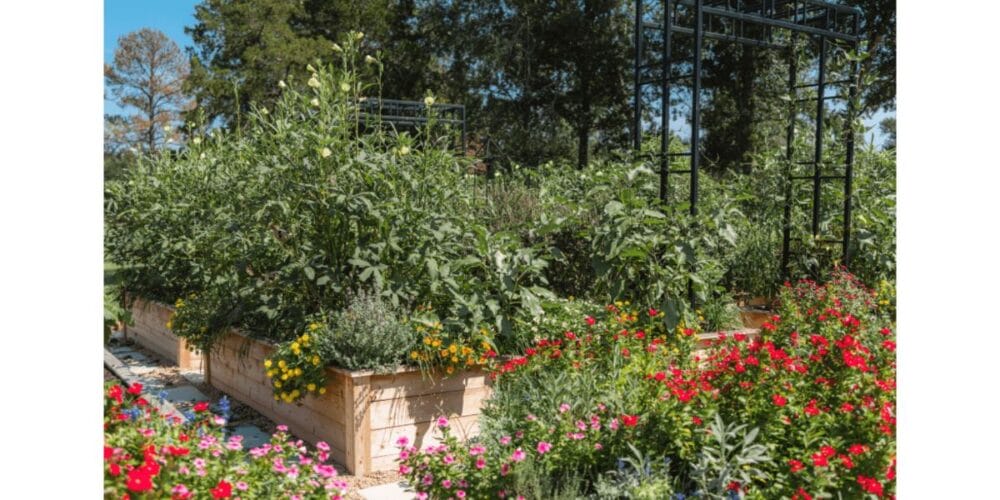
How to Grow Your Own Organic Okra
Organic okra (Abelmoschus esculentus), also known as lady’s finger or bhindi, is one of the easiest and most rewarding vegetables to grow at home. This heat-loving plant thrives in warm climates, produces abundantly, and fits perfectly in kitchen gardens, raised beds, and even large containers. Growing your own organic okra ensures chemical-free pods that are tender, nutritious, and packed with flavor.
This guide will walk you through everything you need to know—from planting to harvest—to successfully grow organic okra at home.
Table of Contents
Why Grow Organic Okra at Home?
Okra is rich in fiber, vitamins A and C, folate, and antioxidants. When grown organically, it offers additional benefits:
- Free from harmful pesticides and chemicals
- Better taste and texture
- Lower grocery costs during the growing season
- Continuous harvest over several weeks
- Suitable for beginners and busy gardeners
With the right care, a few plants can supply a steady harvest throughout summer.
Choosing the Right Variety

Selecting the right okra variety is key to success. Some popular organic and open-pollinated varieties include:
- Clemson Spineless – High-yielding and tender, perfect for beginners
- Emerald – Smooth, dark green pods with excellent flavor
- Annie Oakley II – Early maturing and compact
- Red Burgundy – Attractive red pods that turn green when cooked
Choose varieties suited to your local climate and space availability.
Ideal Climate and Growing Conditions
Okra thrives in warm weather and requires:
- Temperature: 24–35°C (75–95°F)
- Sunlight: Full sun (6–8 hours daily)
- Soil: Well-drained, fertile soil with a pH of 6.0–6.8
Avoid planting okra until all danger of frost has passed and the soil has warmed sufficiently.
Also Read: Why Tomato Cages Are Actually Terrible
Preparing the Soil Organically
Healthy soil is the foundation of organic gardening. Prepare the soil by:
- Loosening it to a depth of 10–12 inches
- Mixing in well-decomposed compost or aged manure
- Adding vermicompost or neem cake for added nutrition
Good drainage is essential, as okra roots dislike waterlogged soil.
How to Plant Organic Okra Seeds
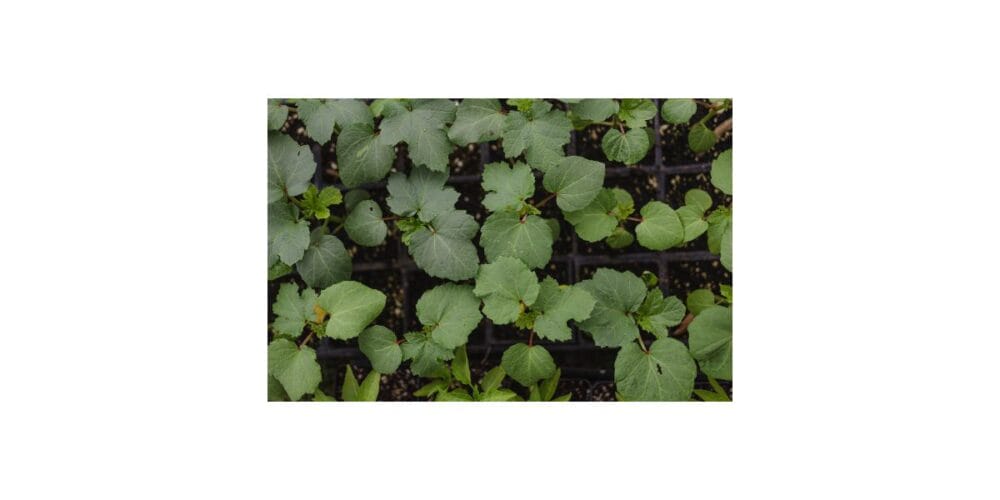
Okra seeds have a hard coat, so soaking them in water for 8–12 hours before planting improves germination.
Planting steps:
- Sow seeds directly in the garden or container
- Plant seeds ½–1 inch deep
- Space plants 12–18 inches apart
- Keep soil moist until seedlings emerge (5–10 days)
Avoid transplanting unless necessary, as okra prefers direct sowing.
Watering and Mulching
Okra is drought-tolerant once established but grows best with consistent moisture.
- Water deeply 2–3 times a week
- Avoid overwatering to prevent root rot
- Apply organic mulch like straw, dry leaves, or grass clippings
Mulching helps retain moisture, regulate soil temperature, and suppress weeds.
Also Read: Organic Sweet Potato Farming
Organic Fertilization Tips
Feed okra organically to encourage healthy growth and higher yields:
- Apply compost or vermicompost every 3–4 weeks
- Use liquid compost tea or seaweed extract during flowering
- Avoid excess nitrogen, which promotes leaves over pods
Balanced nutrition ensures continuous pod production.
Pest and Disease Management (Organic Methods)
Common okra pests include aphids, whiteflies, and fruit borers. Control them naturally by:
- Spraying neem oil or soap solution
- Introducing beneficial insects like ladybugs
- Removing affected leaves manually
To prevent diseases:
- Ensure proper spacing for airflow
- Water at the base, not overhead
- Rotate crops annually
Healthy plants are naturally more resistant to pests and diseases.
Harvesting Okra the Right Way
Harvesting at the right time is crucial for tender pods.
- Pods are ready 4–6 days after flowering
- Harvest when pods are 3–4 inches long
- Pick every 2–3 days to encourage new growth
Use gloves while harvesting, as plants may have tiny spines that irritate the skin.
Growing Okra in Containers

Okra grows well in containers if space is limited.
- Use containers at least 12–14 inches deep
- Ensure proper drainage
- Place in a sunny location
- Water more frequently than garden-grown plants
Compact varieties work best for container gardening.
Also Read: The Complete Guide to Growing Beets from Seed to Harvest
Common Mistakes to Avoid
- Planting too early in cool soil
- Overwatering or poor drainage
- Delayed harvesting, leading to tough pods
- Overfertilizing with nitrogen
Avoiding these mistakes ensures healthy plants and better yields.
Final Thoughts
Growing your own organic okra is simple, cost-effective, and incredibly satisfying. With warm temperatures, fertile soil, and basic organic care, okra plants will reward you with a steady harvest all summer long. Whether grown in a backyard garden, raised bed, or container, organic okra is a must-have vegetable for home gardeners who value fresh, healthy produce. Start planting today and enjoy the unmatched taste of homegrown, organic okra straight from your garden to your kitchen.
Also Read: About How to Grow Your Own Organic Okra on gardenary.com Site
-

-

-
-

-

-

-
-
-
-

-

-

-

-

-

-

-

-

-
-

-

-
-

-

-

-

-

-

-

-

-

-

-

-

-

-

-
-

-

-

-

-

-

-

-

-

-

-

-

-