How to Grow Pak Choi
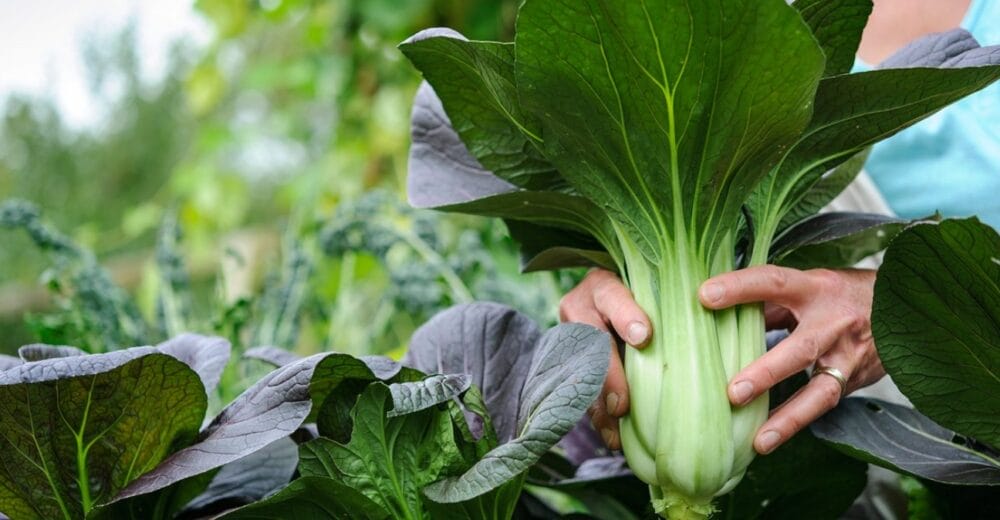
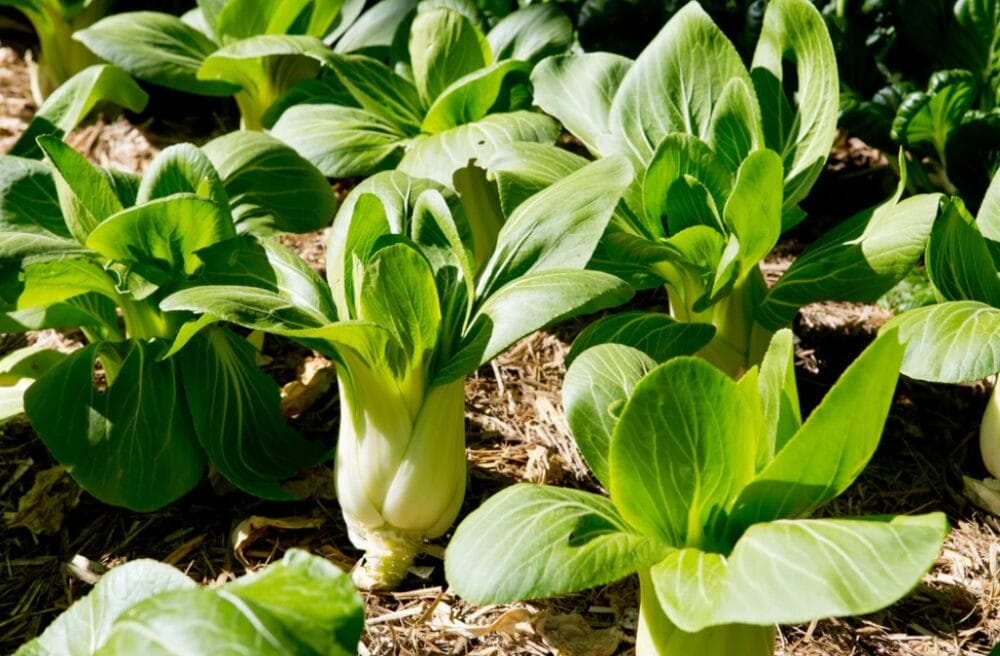
Pak choi, also known as bok choy or Chinese cabbage, is a fast-growing leafy vegetable widely used in Asian cuisine. Its crisp white stalks and tender green leaves make it perfect for stir-fries, soups, and salads. The best part?
Pak choi is easy to grow, even for beginners, and thrives in small spaces, such as balconies, containers, or kitchen gardens. This guide will walk you through everything you need to know about growing pak choi successfully.
Why Grow Pak Choi at Home?
Pak choi is packed with vitamins A, C, and K, along with calcium and antioxidants. Home-grown pak choi is fresher, chemical-free, and more flavorful than store-bought produce. Since it matures quickly—often within 30 to 45 days—it’s an excellent choice for gardeners who want quick results.
Climate and Growing Season
Pak choi prefers cool to mild weather. The ideal temperature range for growth is 15–22°C (59–72°F). Excessive heat can cause the plant to bolt (produce flowers prematurely), making the leaves bitter.
- Best season: Early spring and autumn
- In tropical or subtropical regions: Grow during winter
- Avoid: Peak summer heat unless grown in partial shade

Also Read: Turnip Cultivation: A Complete Guide for Successful Farming
Soil Preparation
Healthy soil is key to growing tender pak choi leaves.
- Soil type: Loose, well-drained, and fertile
- pH level: Slightly acidic to neutral (6.0–7.0)
- Soil enrichment: Mix in compost or well-rotted manure before planting
Good drainage prevents root rot, while organic matter ensures steady nutrient supply.
How to Plant Pak Choi
Pak choi can be grown directly from seeds, making it simple and economical.
Sowing Seeds
- Sow seeds ¼ inch deep directly into the soil.
- Space seeds about 2–3 inches apart.
- Rows should be 8–12 inches apart.
Thinning
Once seedlings are 2–3 inches tall, thin them to maintain 6–8 inches spacing between plants. Thinning ensures proper air circulation and healthy growth.
Growing Pak Choi in Containers
Pak choi is ideal for container gardening.
- Use pots or grow bags that are 8–10 inches deep.
- Ensure drainage holes at the bottom.
- Place containers where plants receive 4–6 hours of sunlight daily.
Container-grown pak choi needs more frequent watering, as pots dry out faster.
Watering Requirements
Pak choi needs consistent moisture to develop juicy stalks.
- Water regularly to keep the soil evenly moist.
- Avoid waterlogging, which can cause fungal diseases.
- Mulching helps retain moisture and keeps the roots cool.
Inconsistent watering may lead to tough leaves or bitter taste.
Also Read: Top 10 Benefits of Boron Fertilisers for Plants
Sunlight Needs
Pak choi grows best in partial sun to full sun.
- In cooler climates: Full sun is ideal.
- In warmer climates: Provide afternoon shade to prevent bolting.
Balancing sunlight and temperature is crucial for tender leaves.
Fertilization
Pak choi is a leafy vegetable and benefits from nitrogen-rich feeding.
- Apply compost tea or diluted liquid fertilizer every 2–3 weeks.
- Avoid over-fertilization, which can cause excessive leaf growth with weak stems.
Organic fertilizers are recommended for safe and healthy produce.
Pest and Disease Management
Common pests include aphids, flea beetles, and cabbage worms.
Prevention tips:
- Inspect plants regularly.
- Use neem oil or insecticidal soap for pest control.
- Cover plants with netting to prevent insects from laying eggs.
Good airflow and clean soil help prevent fungal diseases like downy mildew.
Harvesting Pak Choi
Pak choi is ready to harvest in 30–45 days, depending on the variety.
- Harvest baby leaves early for salads.
- For full heads, cut the plant at soil level when stalks are firm and leaves are bright green.
- You can also harvest outer leaves and allow the center to keep growing.
Freshly harvested pak choi tastes best when used immediately.
FAQs About Growing Pak Choi
Q1: How long does pak choi take to grow?
Pak choi usually matures in 30–45 days, making it one of the fastest-growing vegetables.
Q2: Can pak choi grow in hot weather?
Pak choi prefers cool temperatures. In hot climates, grow it in partial shade or during cooler months to prevent bolting.
Q3: How often should I water pak choi?
Water regularly to keep the soil moist but not soggy. Consistent moisture is essential for tender leaves.
Q4: Can I grow pak choi indoors?
Yes, pak choi can grow indoors near a sunny window or under grow lights with adequate airflow.
Q5: Why is my pak choi flowering early?
Early flowering (bolting) is usually caused by high temperatures or stress due to irregular watering.
Q6: Is pak choi suitable for beginners?
Absolutely. Its fast growth, low maintenance, and adaptability make it ideal for beginner gardeners.
Final Thoughts
Growing pak choi at home is rewarding, simple, and perfect for gardeners of all experience levels. With the right soil, consistent watering, and cool conditions, you can enjoy fresh, crunchy pak choi straight from your garden or balcony. Whether you’re growing it for stir-fries or salads, pak choi is a must-have vegetable for any home garden.
Also Read: Growing and Harvesting Bok Choy
-
-
-
-
-

-

-
-
-
-
-

-

-

-
-
-
-

-

-
-
-
-
-
-
-
-
-
-
-
-
-
-
-
-
-
-

-
-

-

-

-
-

-

-

-

-
-
-
-

-