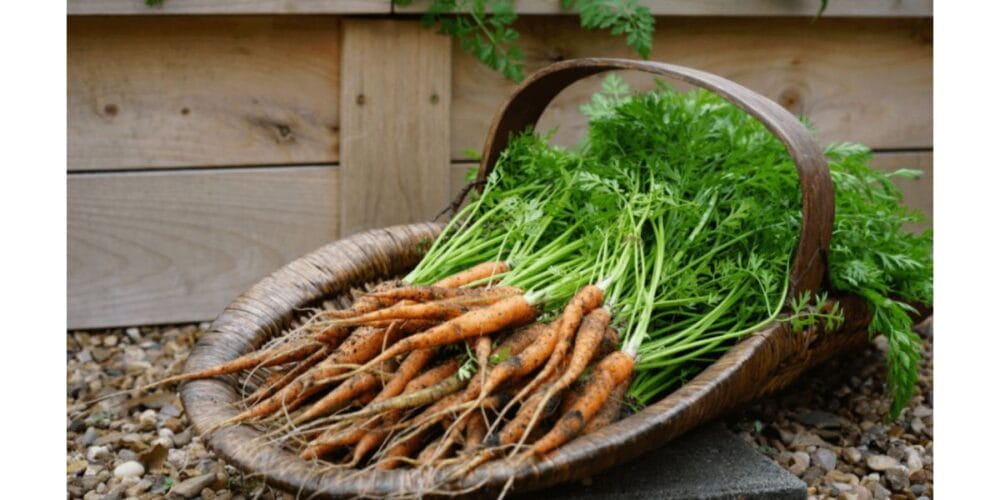
How to Grow Organic Carrots in a Raised-Bed Kitchen Garden
Carrots are one of the most rewarding root vegetables to grow at home. Sweet, crunchy, and packed with nutrients, they thrive particularly well in raised-bed kitchen gardens where soil quality and drainage can be easily controlled. If you’ve ever struggled with forked or stunted carrots, growing them organically in a raised bed can make all the difference.
This guide walks you through every step—from soil preparation to harvest—so you can enjoy a healthy, chemical-free carrot crop.
Table of Contents
Why Choose Raised Beds for Growing Carrots?

Raised beds are ideal for carrot cultivation because carrots require deep, loose, stone-free soil to grow straight and uniform roots. Traditional garden soil often becomes compacted, which restricts root growth. In a raised bed, you control soil texture, fertility, and moisture, creating the perfect environment for carrots.
Key advantages include:
- Better soil drainage and aeration
- Improved root development
- Easier weed and pest management
- Faster soil warming in early seasons
Selecting the Right Carrot Varieties
Choosing the right variety is crucial, especially for raised beds with limited depth.
Best carrot types for raised beds:
- Nantes – Sweet, cylindrical, and great for shallow beds
- Danvers – Hardy and tolerant of heavier soils
- Chantenay – Short, stout roots ideal for compact beds
- Imperator – Long roots (best for deeper raised beds)
For kitchen gardens, heirloom and open-pollinated varieties are excellent choices for organic growing.
Preparing Organic Soil for Raised Beds
Healthy soil is the foundation of successful carrot growing.
Ideal Soil Mix
Carrots prefer light, sandy-loam soil with excellent drainage. A good organic raised-bed mix includes:
- 40% garden soil or topsoil
- 30% well-matured compost
- 20% coco peat or sand
- 10% vermicompost
Avoid fresh manure—it causes excessive nitrogen, leading to forked roots.
Soil pH
Carrots grow best in slightly acidic to neutral soil with a pH between 6.0 and 6.8.
Also Read: The Complete Guide to Growing Beets from Seed to Harvest
Sowing Carrot Seeds Correctly
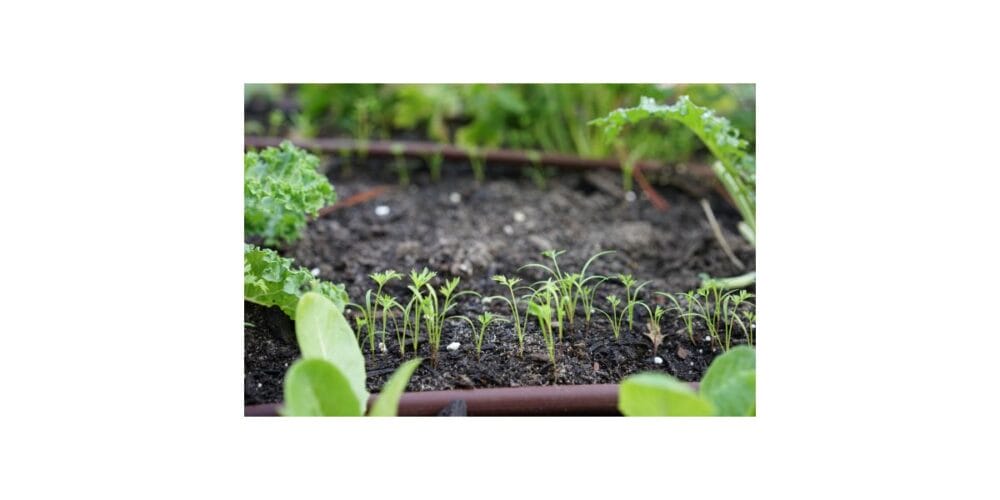
Carrots do not transplant well, so always direct sow seeds in the raised bed.
When to Sow
- Cool-season crop
- Sow in early spring or late summer
- Ideal temperature: 10–25°C
How to Sow
- Loosen soil to a depth of at least 10–12 inches
- Sow seeds ¼ inch deep
- Space rows 8–10 inches apart
- Lightly cover with fine soil or compost
- Water gently to avoid washing seeds away
Germination takes 10–21 days, so be patient.
Watering and Mulching for Healthy Roots
Consistent moisture is essential for sweet, crack-free carrots.
Watering Tips
- Keep soil evenly moist during germination
- Water deeply 1–2 times per week
- Avoid waterlogging, which causes root rot
Mulching Benefits
Apply organic mulch such as straw, dry leaves, or grass clippings to:
- Retain moisture
- Suppress weeds
- Regulate soil temperature
Organic Fertilization for Carrots
Carrots are light feeders and do not require heavy fertilization.
Best Organic Nutrients
- Vermicompost at sowing time
- Liquid compost tea every 3–4 weeks
- Wood ash (in small amounts) for potassium
Avoid high-nitrogen fertilizers, which promote leafy growth at the expense of root development.
Also Read: How to Grow Your Own Organic Ginger at Home
Thinning and Weeding
Proper spacing ensures straight, healthy carrots.
Thinning
- Thin seedlings when they are 2–3 inches tall
- Maintain spacing of 2–3 inches between plants
Weeding
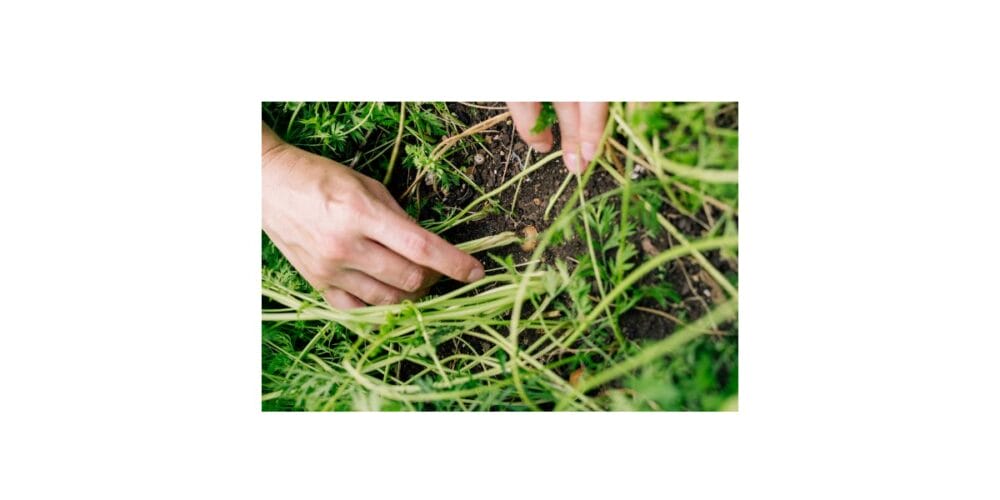
- Weed carefully to avoid disturbing roots
- Hand-weeding is best for raised beds
Managing Pests and Diseases Organically
Raised beds reduce pest pressure, but some issues may still occur.
Common Problems
- Carrot rust fly – Use row covers
- Aphids – Spray neem oil or soap solution
- Fungal diseases – Ensure good air circulation
Companion planting with onions, garlic, or rosemary helps deter pests naturally.
Harvesting Organic Carrots
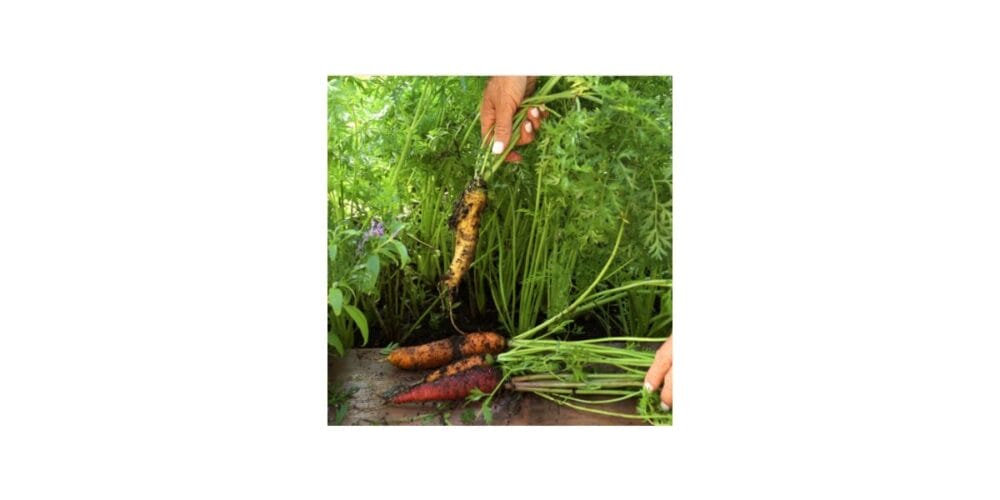
Carrots are usually ready for harvest 60–80 days after sowing, depending on the variety.
How to Harvest
- Loosen soil gently with a hand fork
- Pull carrots slowly to avoid breakage
- Harvest when roots reach desired size
For sweeter carrots, harvest after a light frost.
Also Read: Organic Sweet Potato Farming
Storing and Using Homegrown Carrots
Freshly harvested carrots can be stored:
- In the refrigerator for 2–3 weeks
- In damp sand for longer storage
Use organic carrots fresh in salads, soups, juices, or simply enjoy them raw for maximum nutrition.
Final Thoughts
Growing organic carrots in a raised-bed kitchen garden is simple, productive, and incredibly satisfying. With loose soil, consistent moisture, and minimal organic inputs, you can harvest straight, sweet, and chemical-free carrots right outside your kitchen. Whether you’re a beginner or an experienced gardener, raised beds offer the perfect solution for growing high-quality organic carrots year after year.
Happy gardening!
Also Read: About How to Grow Organic Carrots in a Raised-Bed Kitchen Garden on gardenary.com Site
How to Grow Organic Carrots Review
Product Cost
Compatibility
Availability
Aggregate Customer Score
Overall Rating: Excellent
-

-

-
-

-

-

-

-
-
-

-

-

-

-

-

-

-

-

-

-

-

-

-

-

-

-

-

-

-

-

-

-

-

-

-

-

-

-

-

-

-

-

-

-

-

-

-

-

-

-