Benevia Insecticide- A Revolutionary Cross-Spectrum Solution for Sucking and Chewing Insects!

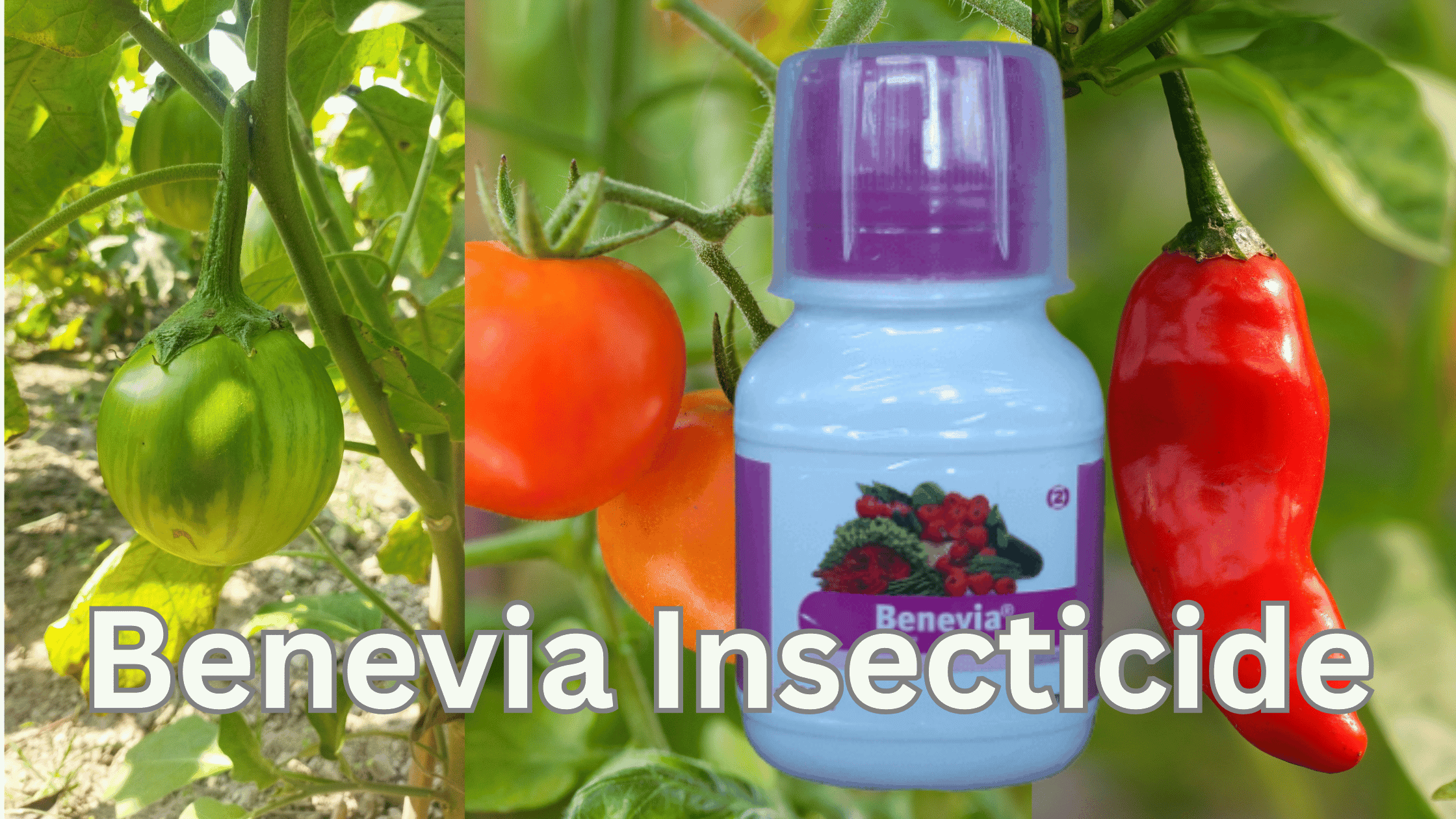
Modern agriculture is continuously evolving, and effective pest management is one of its crucial pillars. Among the many innovations in crop protection, Benevia® insecticide stands out as a game-changing solution for Indian farmers. Powered by Cyazypyr® active (10.26% OD), Benevia® offers a unique combination of broad-spectrum action, rapid feeding cessation, and translaminar movement, making it an ideal early-stage insecticide for many crops.
What Is Benevia® Insecticide?
Benevia® insecticide is an anthranilic diamide class insecticide in oil dispersion (OD) formulation, designed specifically for foliar spray application. It is developed to provide early-season protection to crops against both sucking and chewing pests, ensuring better crop establishment, growth, and yield.
Benevia Insecticide: Active Ingredient:
- Cyazypyr® active (10.26% w/w OD)
Its active ingredient, Cyazypyr® (10.26%), disrupts the insects’ muscle function, significantly affecting their feeding, movement, and reproductive abilities.
Technical Overview
| Feature | Details |
|---|---|
| Product Name | Benevia® Insecticide |
| Formulation | Oil Dispersion (OD) |
| Active Ingredient | Cyazypyr® – 10.26% |
| Mode of Action | Anthranilic diamide |
| Target Insects | Sucking and Chewing Pests |
| Application Method | Foliar Spray |
| Rainfastness | Quick Rainfastness (within 1 hour) |
| Translaminar Movement | Yes (moves through leaf tissue effectively) |
How Benevia Insecticide Works – Technical Mode of Action
Benevia® belongs to the diamide class of insecticides that activate ryanodine receptors in insects, disrupting calcium ion balance. This causes:


- Muscle paralysis
- Cessation of feeding within minutes
- Inhibited mobility and reproduction
It acts translaminarly, which means it penetrates the leaf surface, reaching pests hiding on the underside—where many chewing and sucking insects typically feed.

Key Benefits of Benevia Insecticide
Cross-Spectrum Control
One application tackles both sucking pests (e.g., whiteflies, aphids, thrips) and chewing pests (e.g., leaf miners, fruit borers)—eliminating the need for multiple products.
Rapid Feeding Cessation
Stops insect damage quickly by disrupting feeding behaviour, preserving foliage and fruit quality.
Translaminar Activity
Protects the entire leaf, including the undersides, improving pest coverage and efficiency.
Rainfastness
It remains effective even after light rain, reducing the risk of product wash-off and ensuring consistent protection.
Improved Early Establishment
Early application ensures better crop establishment, vigour, and uniform growth, paving the way for a higher-quality harvest.
Target Crops for Benevia® Application
Benevia® is suitable for a variety of high-value and row crops, including:
| Crop Type | Examples |
|---|---|
| Vegetables | Tomato, Brinjal, Cabbage, Chilli |
| Fruits | Grapes, Pomegranate, Citrus |
| Pulses | Green Gram, Black Gram |
| Cotton & Soybean | Broad-acre application |
Target Pests Controlled by Benevia®
| Insect Category | Specific Pests |
|---|---|
| Sucking Pests | Whiteflies, Aphids, Jassids, Thrips |
| Chewing Pests | Caterpillars, Fruit Borers, Leaf Miners |
These pests, if left unchecked, can cause severe yield and quality losses in both vegetable and fruit crops.
Recommended Doses and Application Timing
| Crop | Dose per Acre | Spray Volume | Ideal Time of Application |
|---|---|---|---|
| Tomato | 100–150 ml | 200–250 L | 15–20 days after transplant or pest notice |
| Cotton | 120–160 ml | 200–300 L | Early vegetative stage |
| Chilli | 100–150 ml | 250 L | At flowering or first pest appearance |
| Grapes | 100–125 ml | 400–500 L | Pre-bloom or post-pruning |
Tip: Always apply Benevia® in the early vegetative stage or at the first pest appearance for best results.
Alternate or Complementary Products
While Benevia® is effective alone, it can be rotated with other insecticides for resistance management:
| Alternate Insecticide Class | Example Products | Use Case |
|---|---|---|
| Neonicotinoids | Imidacloprid, Thiamethoxam | Follow-up after 10-14 days |
| Spinosyns | Spinosad | For caterpillars or borers |
| Insect Growth Regulators | Buprofezin | To delay pest development |
Avoid repeated usage of the same mode of action to reduce the risk of insect resistance.
Also Read: Evicent Insecticide: Smart Protection Against All Life Stages of Insect Pests
When to Apply Benevia Insecticide?
Timing is critical to maximising Benevia Insecticide’s effectiveness:
| Stage | Reason |
|---|---|
| Early Vegetative | Helps early pest suppression and boosts plant vigor |
| Flowering Stage | Helps early pest suppression and boosts plant vigour |
| Post-Rain Period | Controls pest resurgence after rains |
- Weather Condition: Clear weather with no rainfall expected for at least 1 hour after application.
- Frequency: 1–2 applications, depending on pest pressure and crop duration.
- Best Time of Day: Early morning or late evening when temperatures are cooler and pests are actively feeding.
Alternate & Companion Products
While Benevia® offers robust control, rotating it with other insecticide classes prevents resistance buildup:
Alternatives for Rotation:
| Product Name | Active Ingredient | Use Case |
|---|---|---|
| Coragen® | Chlorantraniliprole | Ideal for lepidopteran pests |
| Movento® | Spirotetramat | Systemic, for sucking pests |
| Delegate® | Spinetoram | Fruit borers and thrips |
Note: Always follow Insecticide Resistance Management (IRM) guidelines.
FAQs About Benevia Insecticide
Q1: Is Benevia® safe for beneficial insects like bees and parasitoids?
A: Benevia® is considered to be softer on beneficials when applied at recommended doses and proper timing, especially early morning or late evening.
Q2: Can I tank-mix Benevia® with other fungicides or micronutrients?
A: Yes, it is compatible with many fungicides and micronutrients. Always perform a jar test before full-scale mixing.
Q3: Is Benevia® suitable for organic farming?
A: No, Benevia® is a chemical insecticide and not certified for organic use.
Q4: How long does Benevia® protect spraying?
A: Typically, 7–10 days of protection, depending on pest pressure and environmental conditions.
Q5: Can Benevia® be used in drip irrigation?
A: No, Benevia® is designed only for foliar spray, not soil or drip application.
Final Decision: Should You Use Benevia?
If you’re a farmer seeking a broad-spectrum, quick-acting, rainfast solution to combat multiple insect threats during the early, critical crop growth stages, Benevia® is a smart choice. It reduces crop damage, preserves yield quality, and minimises the need for repeat applications, saving both time and money.
Use Benevia® as a first-line defence for sucking and chewing pests, and rotate it with alternate chemistries for sustained pest control and resistance management.
Quick Recap of Benevia Insecticide:
- ✔ Powered by Cyazypyr® active
- ✔ Controls both sucking and chewing pests
- ✔ Acts translaminarly and causes rapid feeding cessation
- ✔ Offers rainfastness and excellent early-stage protection
- ✔ Recommended dose: 200–250 ml/acre
- ✔ Compatible with several other crop protection products.