Gracia Insecticide: Very Latest and A Trusted Solution for Effective Pest Control

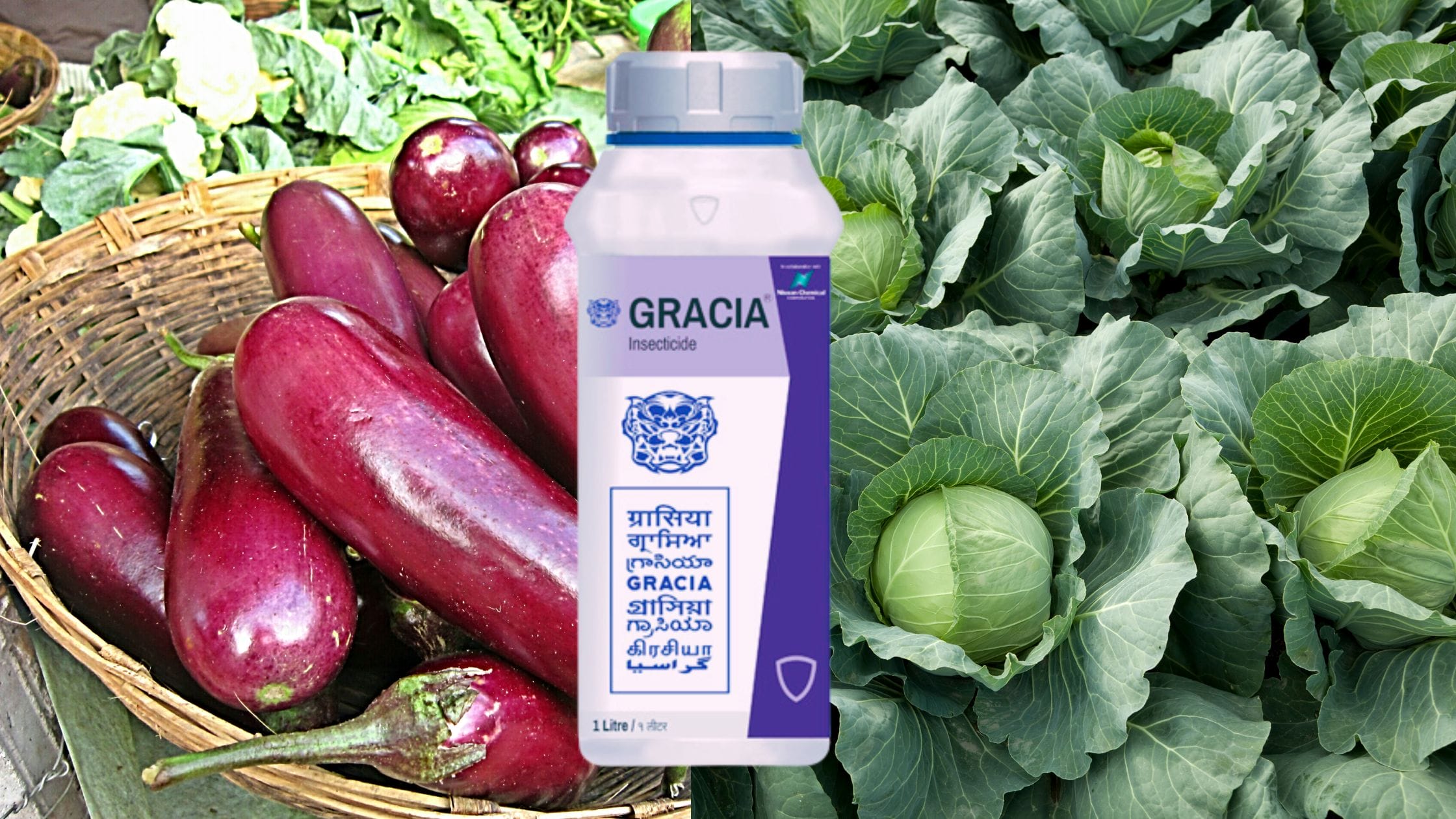
Gracia Insecticide: Innovative Pest Management Solutions
In the ever-evolving world of agriculture and pest management, the need for effective and reliable insecticides has never been more critical. One such product that has gained prominence in recent years is Gracia insecticide.
Known for its efficacy and innovation, Gracia insecticide has established itself as a trusted partner for farmers, gardeners, and pest control professionals.
In this article, we will explore the key features, benefits, and applications of Gracia insecticide, as well as its role in sustainable pest management practices.
Understanding Gracia Insecticide
Gracia insecticide is a scientifically formulated pest control solution designed to combat a wide range of harmful insects that threaten crops, gardens, and households. It is widely used in agricultural settings to protect crops from destructive pests, ensuring higher yields and healthier produce.




The active ingredients in Gracia insecticide are carefully selected to target specific pests while minimising harm to beneficial insects and the surrounding environment.
One of the standout features of Gracia insecticide is its advanced formulation that combines efficacy with safety. It is engineered to deliver quick, long-lasting results, making it a preferred choice for those seeking reliable pest protection.
Gracia Insecticide Technical Name:
Active Ingredient: Fluxametamide 10% w/w EC
It is a novel isoxazoline insecticide with broad-spectrum activity, launched in collaboration with Nissan Chemical Corporation. The proactive spray by Gracia immediately after pest incidence ensures longer-lasting control. Its unique mode of action works effectively against both sucking and chewing pests. Its chemistry is classified under Group 30 of IRAC’s mode of action classification. Safer to mammals and beneficial insects.
Mode of Action:
It is a gamma-aminobutyric acid (GABA) – gated chloride channel antagonist. It is a translaminar insecticide effective through ingestion and contact.
Key Features of Gracia Insecticide
Broad Spectrum Control:
It is effective against a wide variety of pests, including aphids, whiteflies, caterpillars, beetles, and other common agricultural and household pests. Its versatility makes it suitable for use across different crops and environments.
Fast-Acting Formula:
The insecticide works quickly to eliminate pests upon contact or ingestion. This rapid action helps prevent further damage to crops or property.
Long Residual Effect:
It provides extended protection by creating a residual barrier that continues to deter pests long after application. This reduces the need for frequent reapplication, saving time and resources.
Environmentally Conscious:
While highly effective against pests, it is designed with environmental safety in mind. It minimises the impact on non-target organisms, such as pollinators and beneficial insects, when used as directed.
Ease of Application:
Available in various formulations, including liquid concentrates and ready-to-use sprays, it is user-friendly and can be applied using standard spraying equipment.
Also read: Simodis Insecticide: A Broad-Spectrum Insecticide Powered by PLINAZOLIN® Technology.
Benefits of Using Gracia Insecticide
The use of Gracia insecticide offers several benefits to farmers, gardeners, and pest control professionals:
Enhanced Crop Productivity:
By effectively controlling pest populations, it helps protect crops from damage, resulting in improved yields and better-quality produce.
Cost-Effective Solution:
With its long-lasting residual effect, it reduces the need for frequent applications, making it a cost-effective choice for large-scale farming operations.
Integrated Pest Management (IPM) Compatibility:
Gracia insecticide can be seamlessly incorporated into IPM programs. Its targeted action allows users to manage pest populations without disrupting ecological balance.
Reduced Risk of Resistance:
Pests developing resistance to insecticides is a common issue in pest management. Gracia insecticide’s unique formulation helps mitigate this risk when used as part of a rotation strategy with other products.
Versatility Across Crops:
Whether you’re growing fruits, vegetables, grains, or ornamental plants, it can be tailored to suit your specific needs.
Also Read: Understanding Coragen Insecticide: A Reliable Solution for Pest Management
Applications of Gracia Insecticide
It is widely used in various sectors due to its adaptability and effectiveness. Here are some common applications:
- Agriculture: Protecting crops from pests is critical for ensuring food security. It is commonly used on crops such as rice, wheat, corn, cotton, soybeans, and vegetables to safeguard them from pest infestations.
- Horticulture: Gardeners and horticulturists rely on it to protect ornamental plants, flowers, and shrubs from destructive insects that can compromise their aesthetic value.
- Household Pest Control: In addition to agricultural uses, it is effective in managing household pests such as ants, cockroaches, and mosquitoes.
- Commercial Settings: Pest control professionals use Gracia insecticide in warehouses, food storage facilities, and other commercial environments to maintain hygiene and prevent infestations.
Recommended Crops, Pests, and Doses:
| Crops | Target Pest/Disease | Dose per Acre (gm/ml) |
|---|---|---|
| Brinjal | Diamondback moth, tobacco caterpillar, semilooper | 160 |
| Cabbage | Thrips, Fruit borer | 160 |
| Chilli | Thirps, Fruit Borer, Tobacco caterpillar | 160 |
| Okra | Leaf hopper, Thrips, Fruit borer | 160 |
| Redgram | Spotted pod borer, pod borer | 160 |
| Tomato | Thirps, Fruit borer | 160 |
Safe Usage Practices
While it is designed with safety in mind, it is essential to follow proper usage guidelines to ensure optimal results and minimise risks:
- Read the Label: Always read and follow the instructions provided on the product label. This includes information on dosage, application methods, and safety precautions.
- Protective Gear: Wear appropriate protective clothing, gloves, and a mask when handling or applying the insecticide to avoid direct skin contact or inhalation of fumes.
- Targeted Application: Apply the insecticide only to affected areas or plants to avoid unnecessary exposure to non-target organisms.
- Storage and Disposal: Store Gracia insecticide in a cool, dry place away from children and pets. Dispose of empty containers responsibly in accordance with local regulations.
- Rotation Strategy: To prevent pest resistance, consider alternating it with other products with different modes of action.
Supporting Sustainable Agriculture
In today’s world, sustainable agriculture practices are more important than ever. It aligns with these principles by providing an effective solution that minimises environmental impact while maximising crop protection. By incorporating Gracia insecticide into an integrated pest management plan, users can achieve a balance between productivity and ecological responsibility.
Conclusion
Gracia insecticide has emerged as a reliable, versatile solution for pest management across various settings. Its advanced formulation offers fast-acting, long-lasting protection while prioritising the safety of non-target organisms and the environment. Whether you’re a farmer looking to protect your crops or a homeowner dealing with household pests, it offers an effective, sustainable solution.
By adhering to recommended usage practices and incorporating it into broader pest management strategies, users can harness the full potential of this innovative product. As the demand for efficient pest control solutions continues to grow, Gracia insecticide remains at the forefront of the industry—empowering users to combat pests effectively while contributing to a healthier planet.
Read about Gracia Insecticide on the Godrej Site.
Gracia Insecticide Review
Price
Effectiveness
Compatibility
Excellent
Gracia is a novel isoxazoline insecticide with broad-spectrum activity, launched in collaboration with Nissan Chemical Corporation. The proactive spray by Gracia immediately after pest incidence ensures longer-lasting control. Its unique mode of action works effectively against both sucking and chewing pests.