
Your Quick & Easy Guide to Growing Potatoes in Raised Beds
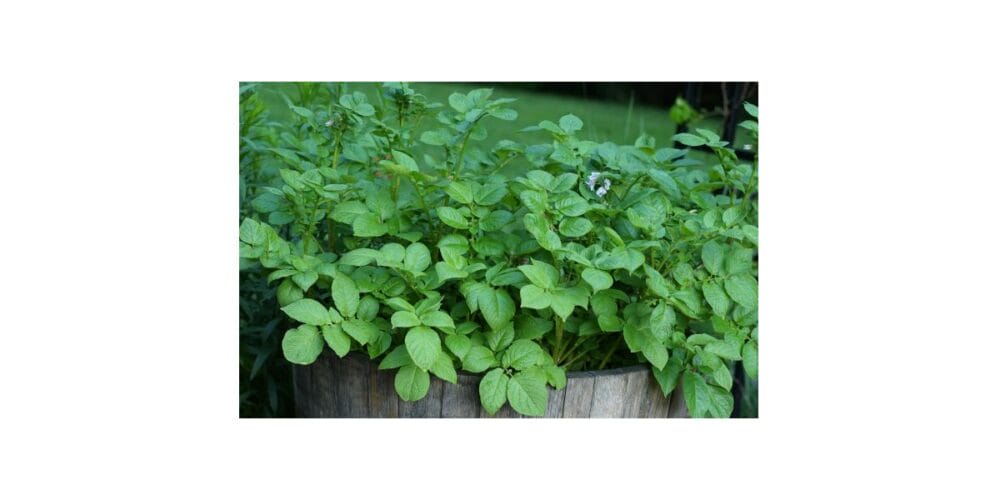
Potatoes are one of the most rewarding vegetables to grow at home—and raised beds make the process even easier. With better soil control, improved drainage, and higher yields in a smaller space, raised beds are ideal for growing healthy, delicious potatoes. Whether you’re a beginner or an experienced gardener, this quick and easy guide will walk you through everything you need to know to grow potatoes successfully in raised beds.
Table of Contents
Why Grow Potatoes in Raised Beds?
Raised beds offer several advantages that make potato growing simpler and more productive:
- Excellent drainage: Prevents waterlogging and rot
- Loose, aerated soil: Encourages tuber expansion
- Better pest control: Reduces soil-borne diseases
- Easy hilling: Adding soil around plants is effortless
- Higher yields in less space: Perfect for small gardens
Because potatoes grow underground, soil quality is critical—and raised beds give you full control over it.
Choosing the Right Potato Varieties
Almost all potato varieties thrive in raised beds, but some perform especially well:
Best Potatoes for Raised Beds
- Early-season: Yukon Gold, Red Norland
- Mid-season: Kennebec, Purple Majesty
- Late-season: Russet Burbank, Fingerling potatoes
Early and mid-season varieties are ideal if you want quicker harvests and easier management.
Also Read: The Complete Guide to Growing Beets from Seed to Harvest
Preparing the Raised Bed
Bed Size and Depth
- Minimum depth: 12–15 inches
- Width: 3–4 feet (easy access from both sides)
Ideal Soil Mix
Potatoes need light, fluffy soil. Use a mix of:
- 40% garden soil
- 40% compost or well-rotted manure
- 20% coco peat or sand for drainage
Aim for a soil pH between 5.5 and 6.5 for best results.
How to Plant Potatoes in Raised Beds
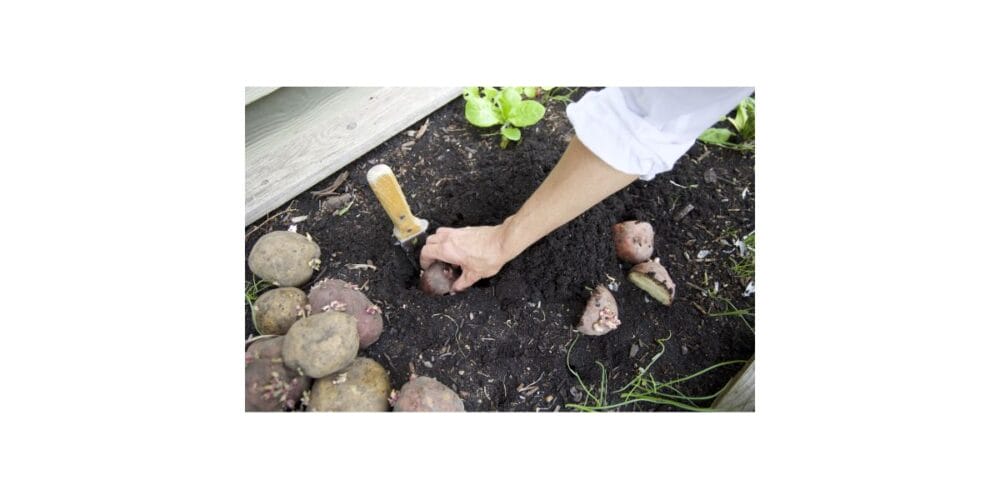
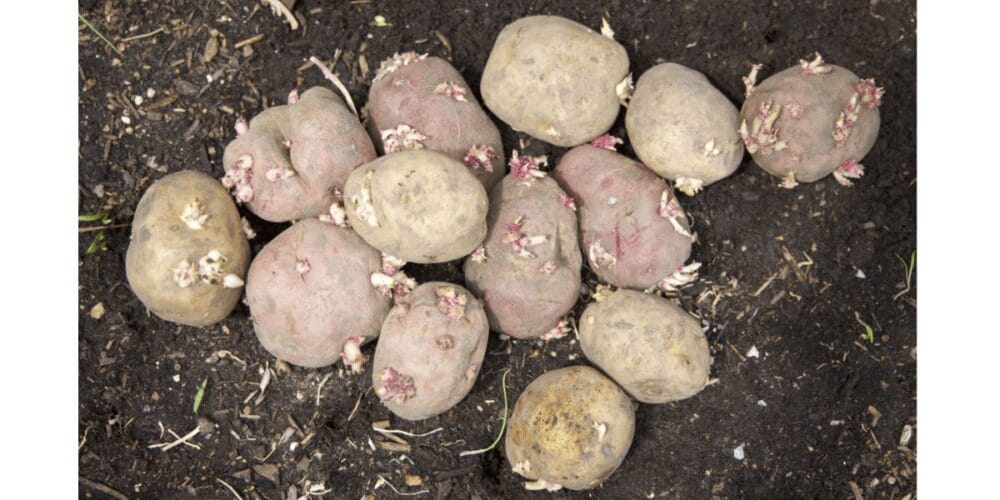
Step 1: Prepare Seed Potatoes
- Use certified, disease-free seed potatoes
- Cut large potatoes into pieces with 1–2 eyes each
- Let them dry for 24 hours to prevent rot
Step 2: Planting
- Dig trenches 4–6 inches deep
- Space seed pieces 10–12 inches apart
- Keep rows 12–18 inches apart
- Place pieces eye-side up and cover with soil
Water lightly after planting.
Watering and Fertilizing
Watering Tips
- Keep soil evenly moist, not soggy
- Water deeply 1–2 times per week
- Increase watering during flowering
Inconsistent watering can cause cracked or misshapen potatoes.
Fertilizing Schedule
- Mix compost into soil before planting
- Apply a balanced organic fertilizer at planting
- Side-dress with compost or potassium-rich fertilizer when plants are 6 inches tall
Avoid high nitrogen fertilizers—they encourage leaf growth over tubers.
Also Read: Why Tomato Cages Are Actually Terrible
Hilling: The Secret to Bigger Harvests
Hilling means covering the base of the plant with soil as it grows.
How to Hill Potatoes
- When plants reach 6–8 inches, mound soil around stems
- Leave only the top few inches of leaves exposed
- Repeat every 2–3 weeks
Hilling prevents tubers from turning green and increases potato yield.
Common Problems and How to Fix Them
Pests
- Aphids: Spray neem oil or soapy water
- Cutworms: Use cardboard collars at planting
Diseases
- Blight: Ensure good airflow and avoid overhead watering
- Rot: Improve drainage and avoid overwatering
Raised beds already reduce many of these issues, making potato care easier.
Harvesting Potatoes from Raised Beds
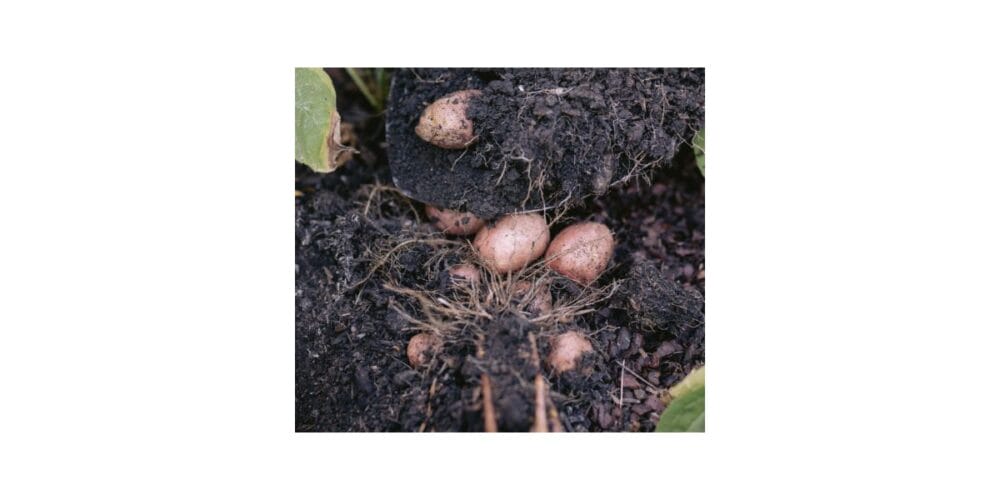
When to Harvest
- New potatoes: 2–3 weeks after flowering
- Full-size potatoes: When foliage turns yellow and dies back
How to Harvest
- Stop watering 7–10 days before harvest
- Use hands or a garden fork to gently loosen soil
- Lift potatoes carefully to avoid damage
Allow harvested potatoes to cure in a cool, dark place for 1–2 weeks before storage.
Also Read: Basics of Composting at Home: A Complete Beginner’s Guide
Storage Tips for Homegrown Potatoes
- Store in a cool, dark, well-ventilated area
- Ideal temperature: 7–10°C (45–50°F)
- Do not refrigerate
- Keep away from onions
Proper storage can keep your potatoes fresh for several months.
Final Thoughts
Growing potatoes in raised beds is one of the easiest and most satisfying gardening projects you can try. With loose soil, simple hilling, and proper watering, you can enjoy a generous harvest even in a small space. Whether you want buttery new potatoes or hearty storage varieties, raised beds give you full control and consistently great results.
Once you experience the taste of homegrown potatoes, you’ll never want to go back to store-bought again. Happy gardening!
Also Read: About Your Quick & Easy Guide to Growing Potatoes in Raised Beds on gardenary.com Site