Cotton Cultivation
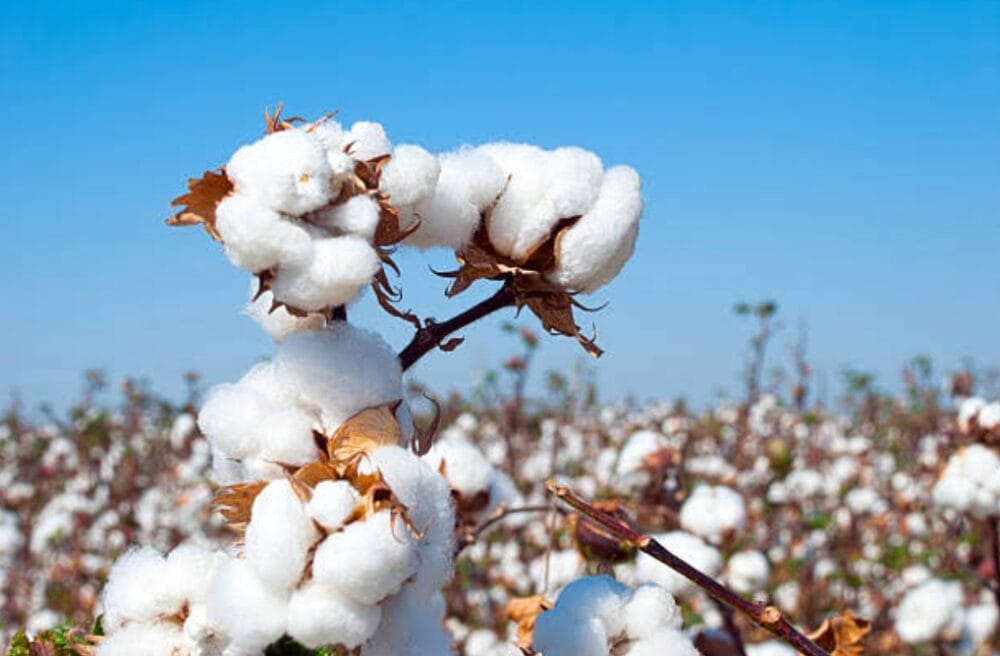
Cotton is one of the most important commercial crops in the world and is often called the “White Gold” of agriculture. It plays a vital role in the textile industry and provides livelihood to millions of farmers, especially in countries like India, China, the USA, and Pakistan.
Cotton cultivation requires proper planning, suitable climate, soil management, and pest control to achieve high yield and good fiber quality. This blog provides a complete guide to cotton cultivation from land preparation to harvesting.
Table of Contents
Importance of Cotton Crop
Cotton is mainly grown for its fiber, which is used in making clothes, medical supplies, and industrial products. Cottonseed oil is also used for cooking, and cottonseed cake is used as animal feed. Because of its multiple uses, cotton farming contributes significantly to the agricultural economy.
Climate Requirements for Cotton Cultivation
Cotton is a warm-season crop and grows best in tropical and subtropical regions.
- Ideal temperature: 21°C to 30°C
- Rainfall requirement: 500–1000 mm (well-distributed)
- Bright sunshine is essential for proper boll formation
- Frost and excessive rainfall during flowering can damage the crop
Soil Requirements
Cotton can be grown in a variety of soils, but well-drained fertile soils give the best results.
- Ideal soil types: Black cotton soil, loamy soil, alluvial soil
- Soil pH: 6.0 to 8.0
- Good drainage is essential to avoid root rot and waterlogging

Land Preparation
Proper land preparation ensures better root growth and higher yield.
- Plough the field 2–3 times to make the soil fine and weed-free
- Level the land for uniform irrigation
- Add well-decomposed farmyard manure (FYM) during last ploughing
- Remove crop residues and weeds before sowing
Also Read: Diseases of Sugarcane: Causes, Symptoms, and Management
Selection of Cotton Varieties
Choosing the right variety plays a crucial role in yield and pest resistance.
- Bt Cotton: Resistant to bollworms, high yield
- Hybrid varieties: High productivity and better fiber quality
- Desi cotton (Gossypium arboreum): Suitable for dry areas
Farmers should select varieties recommended by local agricultural universities.
Sowing Time and Method
The sowing time varies depending on the region.
- Kharif season: April to June
- Seeds should be treated with fungicides before sowing
- Spacing: 90 × 45 cm or as per variety
- Sowing methods: Drilling, dibbling, or ridge and furrow method
Seed Rate
- Hybrid cotton: 1.5–2 kg per hectare
- Non-hybrid cotton: 3–4 kg per hectare
Nutrient Management
Cotton is a nutrient-exhaustive crop and requires balanced fertilization.
- Apply nitrogen, phosphorus, and potassium as per soil test
- Organic manure improves soil fertility and moisture retention
- Micronutrients like zinc and boron are important for boll development
- Split application of nitrogen improves efficiency
Irrigation Management
Proper irrigation is essential, especially during flowering and boll formation.
- Critical stages: Flowering and boll development
- Avoid over-irrigation to prevent pest attacks
- Drip irrigation helps save water and improves yield
- Stop irrigation before harvesting to improve fiber quality
Weed Management
Weeds compete with cotton plants for nutrients and water.
- First weeding should be done 20–25 days after sowing
- Use mulching or intercultivation
- Pre-emergence herbicides can be used if needed
Pest and Disease Management
Cotton is prone to several pests and diseases.
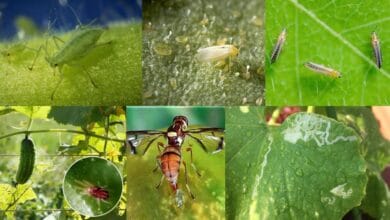
Major pests: Bollworms, aphids, whiteflies, thrips
Common diseases: Wilt, leaf curl virus, bacterial blight
Integrated Pest Management (IPM) practices should be followed:
- Use pest-resistant varieties
- Encourage natural enemies
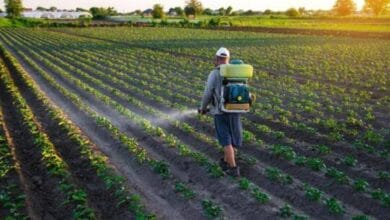
- Use chemical pesticides only when necessary
Also Read:Vermicompost Business Plan: A Profitable Organic Farming Opportunity
Harvesting of Cotton
Cotton is ready for harvesting when bolls burst open.
- Harvesting is usually done 150–180 days after sowing
- Picking should be done manually in multiple rounds
- Harvest cotton during dry weather for better quality
Yield of Cotton
Average cotton yield depends on variety, climate, and management practices.
- Yield range: 15–30 quintals per hectare
- Good crop management can significantly increase production
Frequently Asked Questions (FAQ)
1. What is the best season for cotton cultivation?
Cotton is mainly grown in the Kharif season, from April to June.
2. Which soil is best for cotton farming?
Black cotton soil and well-drained loamy soil are ideal.
3. How long does cotton take to grow?
Cotton crop takes about 150–180 days to mature.
4. Is Bt cotton good for farmers?
Yes, Bt cotton helps control bollworms and increases yield.
5. How many times cotton should be irrigated?
Cotton requires 6–8 irrigations depending on soil and climate.
6. What are the main pests of cotton?
Bollworms, whiteflies, aphids, and thrips are common pests.
7. Can cotton be grown organically?
Yes, cotton can be grown organically using bio-fertilizers and natural pest control.
8. What is the average yield of cotton per hectare?
Average yield ranges from 15 to 30 quintals per hectare.
Also Read:Agricultural crops :: Cash crops :: Cotton
-
-
-
-

-

-

-
-
-
-
-
-

-
-
-

-
-

-

-
-
-

-
-
-
-
-

-

-
-
-
-
-
-
-
-

-

-
-
-

-

-
-

-
-

-
-
-
-
-

-