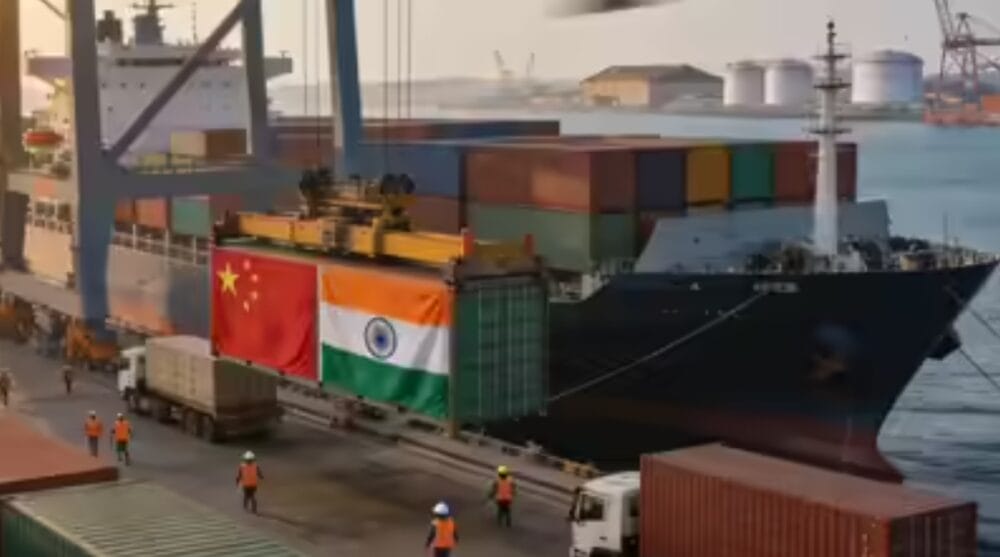
India’s expanding network of Free Trade Agreements (FTAs) is boosting export opportunities, but policymakers are increasingly facing the challenge of rising imports that could widen the country’s trade deficit. As New Delhi accelerates negotiations and implementation of trade deals with partners such as the European Union and other global blocs, the impact on domestic industries is drawing close attention.
Recent data and policy discussions indicate that while FTAs are helping Indian exporters gain better market access, they are also making it easier for foreign goods to enter the Indian market at reduced tariffs. Experts note that in several earlier agreements—such as those with ASEAN, Japan, and South Korea—imports into India grew faster than exports, highlighting a structural imbalance in trade outcomes.
The government sees FTAs as a key strategy to drive export-led growth and integrate Indian companies into global value chains. Commerce and Industry Minister Piyush Goyal recently emphasized the need for businesses to fully utilise these agreements to expand exports and strengthen India’s global trade position.
Also Read: Top 10 Benefits of Organic NPK Fertilizers for healthy plants




However, economists caution that increased imports—especially of high-value manufactured goods, electronics, and precious metals—could put pressure on India’s trade balance if domestic industries are not competitive enough. In some cases, tariff reductions under FTAs may also reduce customs revenue in the short term while boosting trade flows in the long run.
Despite these concerns, policymakers remain optimistic that improved export competitiveness, diversification of markets, and strategic trade policies will help India balance the benefits and risks of FTAs. As the country targets higher export growth in sectors such as agriculture, pharmaceuticals, and manufacturing, ensuring that imports do not outpace exports will remain a critical policy priority.
Also Read: agriculture news