Introduction of Signum Fungicide
Protecting crops from destructive fungal diseases is essential for maintaining high yields and premium-quality produce. Signum Fungicide, a highly trusted product in modern agriculture, delivers broad-spectrum disease control with long-lasting effectiveness. Known for its unique combination chemistry, Signum ensures stronger plants, cleaner fields, and healthier harvests. In this blog, we’ll explore what Signum Fungicide is, how it works, its benefits, recommended application doses, suitable crops, and more.
Table of Contents
What Is Signum Fungicide?
Signum is an advanced, dual-mode fungicide widely used across horticultural and field crops. It contains:
- Boscalid (26.7% WG) – A powerful SDHI fungicide
- Pyraclostrobin (6.7% WG) – A premium QoI (strobilurin) fungicide
This combination provides both protective and curative activity, offering one of the broadest spectrums of disease control. Signum is especially valued for its ability to manage multiple pathogens simultaneously while improving plant vigor and overall crop health.
How Signum Fungicide Works
The unique synergy of Boscalid and Pyraclostrobin makes Signum exceptionally effective:

1. Boscalid: Targeted Interference
Boscalid inhibits fungal respiration by blocking succinate dehydrogenase (SDH). This stops energy production in fungal cells, ultimately preventing growth and sporulation.
2. Pyraclostrobin: Broad Action & Plant Health Benefits
Pyraclostrobin halts spore germination and prevents the spread of the fungus. Additionally, it enhances physiological processes in plants—commonly referred to as the AgCelence® effect—leading to improved stress tolerance, greener foliage, and better yield quality.
Together, these two molecules provide preventive, curative, and long-lasting protection.
Also Read: Acrobat® Fungicide: The Reliable Shield Against Fungal Diseases
Key Benefits of Signum Fungicide
1. Broad-Spectrum Disease Control
Signum effectively controls:
- Early blight
- Late blight
- Powdery mildew
- Alternaria
- Leaf spots
- Botrytis
- Anthracnose
- Rust
- Downy mildew (in some crops)
This makes it an excellent all-in-one disease management solution.
2. Dual-Mode Action
The combination of two different fungicide groups helps reduce the risk of resistance development—a major advantage in long-term plant health management.
3. Boosts Plant Vigor
Thanks to pyraclostrobin, Signum improves chlorophyll content, reduces stress, and keeps plants more active and productive.
4. Long-Lasting Protection
Its formulation ensures deeper penetration and stronger adherence to leaf surfaces, offering longer protection even in challenging weather conditions.
5. Suitable for Many Crops
Signum is versatile and safe for use across fruits, vegetables, ornamentals, and field crops.
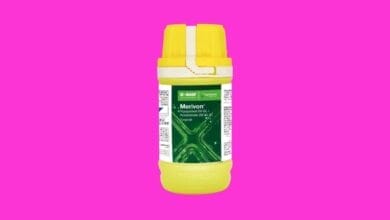
Also Read: Merivon® Fungicide – Advanced Protection for Healthier and More Productive Crops
Recommended Crops for Signum Fungicide
Signum Fungicide is widely used in:
- Tomato
- Potato
- Onion
- Grapes
- Chili
- Cucurbits
- Beans & legumes
- Cabbage & cauliflower
- Capsicum
- Flower crops (rose, marigold, gerbera)
Disease Control Spectrum of Signum Fungicide
Below are some key diseases Signum controls in major crops:
| Crop | Major Diseases Controlled |
| Tomato | Early blight, late blight, leaf spot, powdery mildew |
| Potato | Early blight, late blight |
| Grapes | Powdery mildew, botrytis |
| Chili | Anthracnose, leaf spot, powdery mildew |
| Onion | Purple blotch, downy mildew |
| Beans | Rust, anthracnose |
| Cucurbits | Powdery mildew, gummy stem blight |
Dosage & Application Guidelines
Proper dosage is essential for the best results. Below are general recommendations:
1. Foliar Spray Dose
- Dosage: 0.5–0.6 g per litre of water
- Per Acre: 200–300 g per acre depending on crop density
2. Spray Timing
- Start at the first appearance of disease symptoms
- Repeat after 10–14 days, depending on disease pressure
3. Method of Application
- Use a fine droplet spray
- Ensure uniform coverage on both leaf surfaces
- Use recommended water volume (150–200 litres per acre)
4. Compatibility
- Compatible with most insecticides and fungicides
- Avoid mixing with strong alkaline products
5. Pre-Harvest Interval
- Generally 7–10 days, depending on the crop
Why Farmers Prefer Signum Fungicide
Strong performance against stubborn fungal diseases
Long duration of protection
Improves yield quality and quantity
Flexible for use in multiple crops
Helps reduce fungicide resistance risk
Excellent leaf adherence and rainfastness
Signum is often preferred for managing Alternaria, powdery mildew, anthracnose, and botrytis—critical fungal issues in vegetables and fruits.
Alternate Fungicides to Consider
If Signum is not available, farmers may consider:
- Merivon Fungicide
- Priaxor Fungicide
- Sercadis Plus Fungicide
- Cabrio Top Fungicide
- Zivo Fungicide
- Amistar Top Fungicide
These also offer strong disease control and plant health benefits.
Also Read: Cabrio® Top Fungicide – Advanced Protection for Healthy and Profitable Crops
FAQs on Signum Fungicide
1. Is Signum a systemic fungicide?
Yes, it has translaminar and systemic movement, providing deep internal protection.
2. Can Signum be used in grapes?
Absolutely. It is highly effective against powdery mildew and botrytis in grapes.
3. How many sprays of Signum are recommended?
Usually 2–3 sprays, depending on disease pressure and crop duration.
4. Does Signum improve plant health?
Yes. Pyraclostrobin enhances photosynthesis, resulting in greener and stronger plants.
5. Is Signum safe for vegetables?
Yes, when used as per label recommendations.
Final Opinion
Signum Fungicide is a reliable, premium solution for managing a wide range of fungal diseases. Its dual chemistry, long-lasting action, and plant health benefits make it a top choice for farmers looking to protect their crops and boost yields. Whether you grow vegetables, fruits, or flowers, Signum delivers consistent results, healthier plants, and better-quality produce.
Also Read: About Signum Fungicide on BASF Site
Signum Fungicide Review
Product Cost
Compatibility
Availability
Aggregate Customer Score
Overall Rating: Excellent