The Ultimate Guide to Growing Your Own Salad Greens
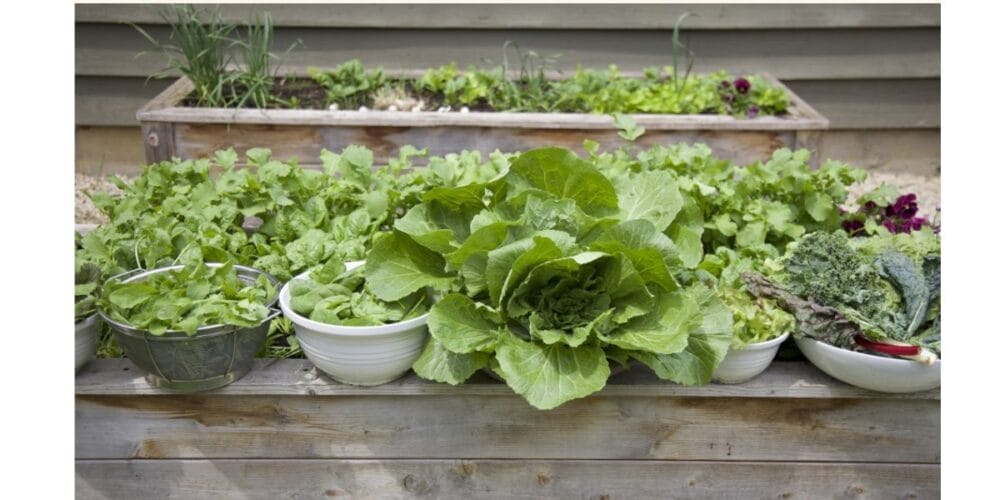
There’s nothing quite like stepping into your garden and harvesting a bowl of fresh, crisp salad greens. Whether you have a spacious backyard or a small balcony, growing your own salad greens is one of the easiest and most rewarding ways to enjoy homegrown food. Fast-growing, nutritious, and beginner-friendly, salad greens are perfect for gardeners of all skill levels.
This ultimate guide will walk you through everything you need to know—from choosing the right greens to harvesting them at peak freshness.
Table of Contents
Why Grow Your Own Salad Greens?
Salad greens are ideal for home gardening for several reasons. First, they grow quickly, often ready to harvest in as little as 3–5 weeks. Second, they don’t require much space, making them suitable for containers, raised beds, or window boxes. Finally, homegrown greens are fresher, tastier, and free from harmful chemical residues.
By growing your own, you also save money, reduce food waste, and enjoy a continuous harvest throughout the season.

Best Salad Greens to Grow at Home

If you’re just starting out, choose easy and reliable varieties. Some of the most popular salad greens include:
- Lettuce (Loose-leaf, Romaine, Butterhead): Mild-flavoured and fast-growing.
- Spinach: Nutrient-dense and thrives in cooler weather.
- Arugula: Peppery taste and very quick to mature.
- Kale (Baby Kale): Hardy, nutritious, and great for cut-and-come-again harvests.
- Swiss Chard: Colourful stems and tender leaves.
- Mustard Greens: Slightly spicy and excellent for mixed salads.
You can also grow mesclun or salad mix seeds, which provide a variety of flavours and textures in one sowing.
Also Read: Best Types of Lettuce to Grow in Your Garden
Choosing the Right Location
Salad greens grow best in a spot that receives 4–6 hours of sunlight per day. While they can tolerate partial shade, especially in warmer climates, too much heat and sun can cause bolting (early flowering), making leaves bitter.
For hot regions, consider growing greens in areas with morning sun and afternoon shade, or use shade cloth to protect plants during peak summer heat.
Soil Preparation for Healthy Greens
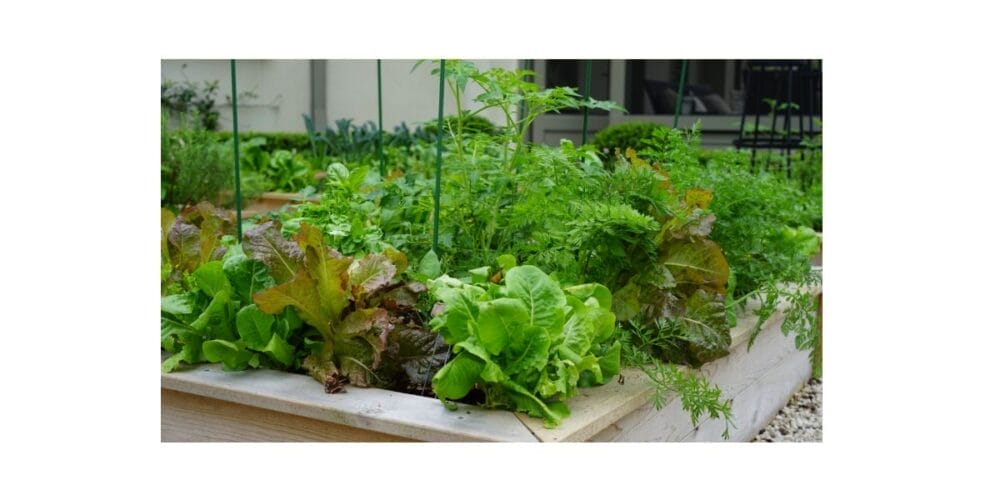
Healthy soil is the key to tender, flavourful leaves. Salad greens prefer loose, well-draining soil rich in organic matter.
- Mix in compost or well-rotted manure before planting.
- Aim for a slightly acidic to neutral pH (6.0–7.0).
- Avoid heavy, compacted soil, which can restrict root growth.
If you’re growing in containers, use a high-quality potting mix enriched with compost.
How to Plant Salad Greens
Salad greens can be grown from seeds, which are inexpensive and easy to handle.
- Direct sow seeds into the soil about ¼ inch deep.
- Space rows 6–12 inches apart, depending on the variety.
- For continuous harvests, sow small batches every 2–3 weeks (succession planting).
Water gently after planting to avoid washing away seeds.
Watering and Feeding Tips
Consistent moisture is essential for soft, non-bitter leaves.
- Water regularly, keeping the soil evenly moist but not soggy.
- Shallow-rooted greens benefit from frequent light watering.
- Mulch with straw or dry leaves to retain moisture and keep soil cool.
Salad greens are light feeders, but a boost helps maintain steady growth. Apply a diluted organic liquid fertiliser or compost tea every 2–3 weeks.
Also Read: The Best Types of Basil to Grow in an Herb Garden
Managing Pests and Common Problems
Salad greens can attract pests such as aphids, slugs, and caterpillars. To keep plants healthy:
- Inspect leaves regularly and remove pests by hand.
- Use neem oil or insecticidal soap for severe infestations.
- Protect seedlings with netting or row covers.
Prevent diseases by ensuring good air circulation and avoiding overhead watering.
Harvesting Salad Greens the Right Way
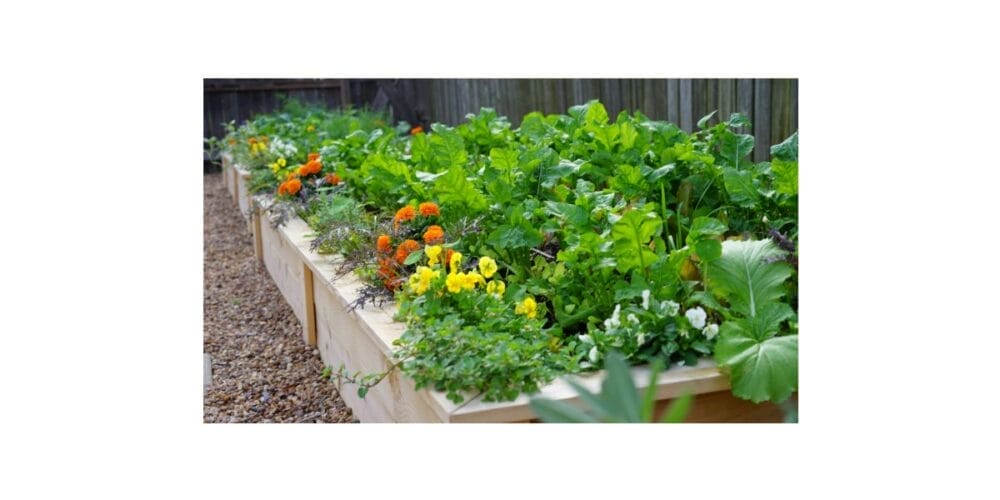
One of the biggest advantages of growing salad greens is the cut-and-come-again method.
- Harvest outer leaves when they reach 4–6 inches tall.
- Leave the centre of the plant intact to encourage regrowth.
- Use clean scissors or garden shears for neat cuts.
Harvest early in the morning for the best flavour and crispness.
Also Read: The Best Way to Start a Victory Garden
Growing Salad Greens Year-Round
With a little planning, you can enjoy fresh greens almost all year:
- Grow cool-season greens in spring and autumn.
- Use shade and frequent watering for summer crops.
- Try indoor containers or grow lights during winter.
Many greens, like spinach and kale, can tolerate light frost, extending your harvest season.
Final Thoughts
Growing your own salad greens is simple, satisfying, and incredibly rewarding. With minimal space, basic care, and a bit of planning, you can enjoy fresh, nutritious salads straight from your garden. Whether you’re a beginner or an experienced gardener, salad greens are a must-grow crop that delivers quick results and delicious rewards. Start small, experiment with different varieties, and soon you’ll wonder why you ever bought packaged greens in the first place.
Also Read: About The Ultimate Guide to Growing Your Own Salad Greens on gardenary.com Site