The Best Types of Basil
Basil is one of the most popular and rewarding herbs to grow in a home garden. Loved for its fragrance, flavor, and versatility, basil enhances everything from fresh salads and pesto to teas and traditional remedies. Whether you’re a beginner gardener or an experienced herb enthusiast, choosing the right type of basil can make a big difference in taste, yield, and ease of care.
In this guide, we explore the best types of basil to grow in an herb garden, their unique characteristics, and how to use them effectively.
Table of Contents
Why Grow Basil in Your Herb Garden?
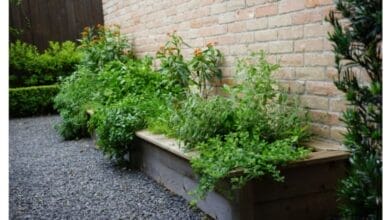
Basil is fast-growing, adaptable, and thrives well in pots, raised beds, or open gardens. It prefers warm temperatures, well-drained soil, and plenty of sunlight, making it ideal for most home gardens. Beyond culinary use, basil also helps repel pests, attracts pollinators, and adds lush greenery to your garden space.
1. Sweet Basil (Ocimum basilicum)
Best for: Italian cuisine, beginners, pesto

Sweet basil is the most commonly grown and widely used variety. It has bright green, tender leaves with a mildly sweet and peppery flavor. This is the classic basil found in pasta sauces, pizzas, and pesto.
Key Features:
- Large, smooth green leaves
- Strong, sweet aroma
- Easy to grow and harvest
Growing Tips:
Sweet basil thrives in full sun and well-drained, nutrient-rich soil. Regular pruning encourages bushier growth and prevents early flowering.
Also Read: Basics of Composting at Home: A Complete Beginner’s Guide
2. Genovese Basil
Best for: Authentic pesto, Mediterranean dishes
Genovese basil is a refined type of sweet basil, prized for its intense aroma and soft leaves. It is the traditional basil used in authentic Italian pesto.
Key Features:
- Medium-sized, glossy leaves
- Strong, classic basil fragrance
- Compact growth habit
Growing Tips:
Harvest leaves frequently and pinch off flower buds to maintain leaf quality and flavor.
3. Thai Basil (Ocimum basilicum var. thyrsiflora)
Best for: Asian cooking, stir-fries, curries
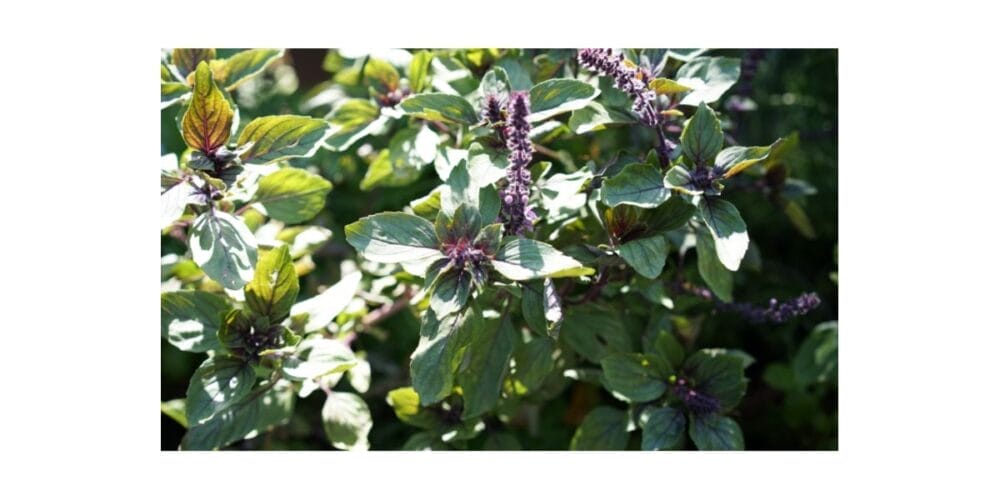
Thai basil has a bold, spicy flavor with notes of licorice and cloves. It holds its flavor well even when cooked, making it ideal for hot dishes.
Key Features:
- Narrow, pointed green leaves
- Purple stems and flower buds
- Strong anise-like aroma
Growing Tips:
Thai basil is more heat-tolerant than sweet basil and grows well in containers. Ensure good drainage and consistent watering.
4. Holy Basil / Tulsi (Ocimum tenuiflorum)
Best for: Herbal teas, medicinal use, spiritual gardens
Holy basil, commonly known as Tulsi, is highly valued in India for its medicinal and spiritual significance. It has a peppery, clove-like flavor and powerful health benefits.
Key Features:
- Small, slightly hairy leaves
- Green or purple varieties
- Strong, pungent aroma
Growing Tips:
Tulsi is hardy and adaptable. It prefers full sun and moderate watering. Regular harvesting improves plant vigor.
5. Lemon Basil (Ocimum basilicum var. citriodorum)
Best for: Teas, seafood, salads
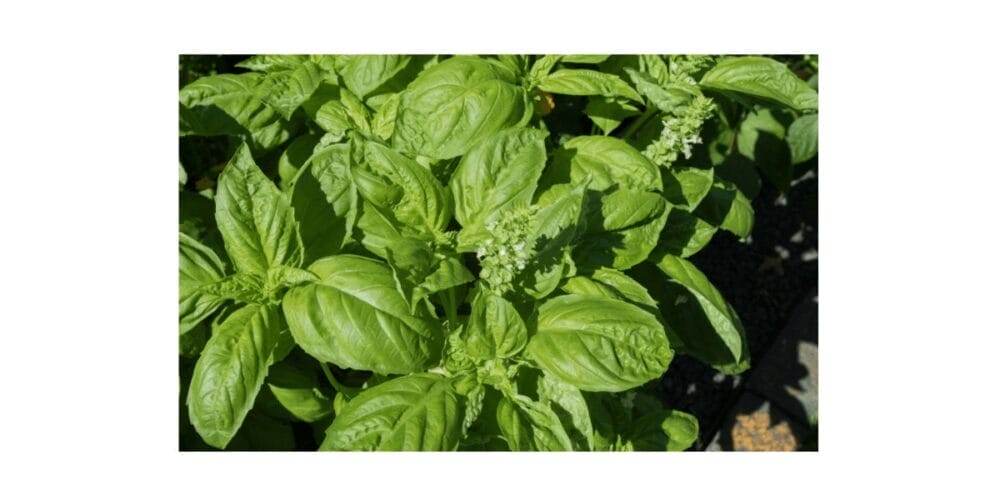
Lemon basil offers a refreshing citrus aroma and flavor, making it a unique addition to any herb garden. It pairs exceptionally well with fish, chicken, and herbal teas.
Key Features:
- Light green, narrow leaves
- Distinct lemon scent
- Fast-growing plant
Growing Tips:
Grow lemon basil in full sun and pinch regularly to promote bushy growth. It also grows well indoors near a sunny window.
Also Read: Complete Guide to Starting a Garden: From Planning to Planting
6. Purple Basil (Dark Opal Basil)
Best for: Garnishing, salads, ornamental gardens
Purple basil stands out with its deep purple leaves and mild basil flavor. It adds visual appeal and color contrast to herb gardens and dishes.
Key Features:
- Dark purple leaves
- Mild, slightly spicy flavor
- Attractive ornamental value
Growing Tips:
Purple basil needs full sun to maintain its color. Harvest young leaves for the best taste.
7. Cinnamon Basil
Best for: Desserts, teas, flavored oils
Cinnamon basil has a warm, sweet-spicy aroma reminiscent of cinnamon. It’s excellent for herbal teas, fruit salads, and infused syrups.
Key Features:
- Green leaves with purple veins
- Sweet, spicy scent
- Small pink flowers
Growing Tips:
This variety prefers warm temperatures and regular pruning. It’s also a favorite among pollinators.
Also Read: How to Cut Back Chives and What to Do with Their Blossoms
How to Choose the Right Basil for Your Garden
When selecting basil varieties, consider:
- Culinary use: Choose sweet or Genovese basil for Italian dishes, Thai basil for Asian cooking, and lemon basil for teas.
- Climate: Most basil varieties love warm weather, but Thai and holy basil handle heat especially well.
- Space: Compact varieties grow well in pots, while larger types need more room.
Harvesting and Care Tips for Basil
- Harvest leaves regularly to encourage growth
- Avoid overwatering; basil dislikes soggy soil
- Remove flowers promptly for better leaf flavor
- Use organic compost or balanced nutrients for healthy plants
Final Thoughts
Growing basil in your herb garden is both satisfying and practical. From classic sweet basil to exotic Thai and medicinal Tulsi, each variety brings its own aroma, flavor, and benefits. By selecting the best types of basil for your needs and giving them proper care, you can enjoy fresh, homegrown herbs throughout the growing season. Whether for cooking, wellness, or garden beauty, basil truly deserves a special place in every herb garden.
Also Read: About The Best Types of Basil to Grow in an Herb Garden on gardenary.com Site