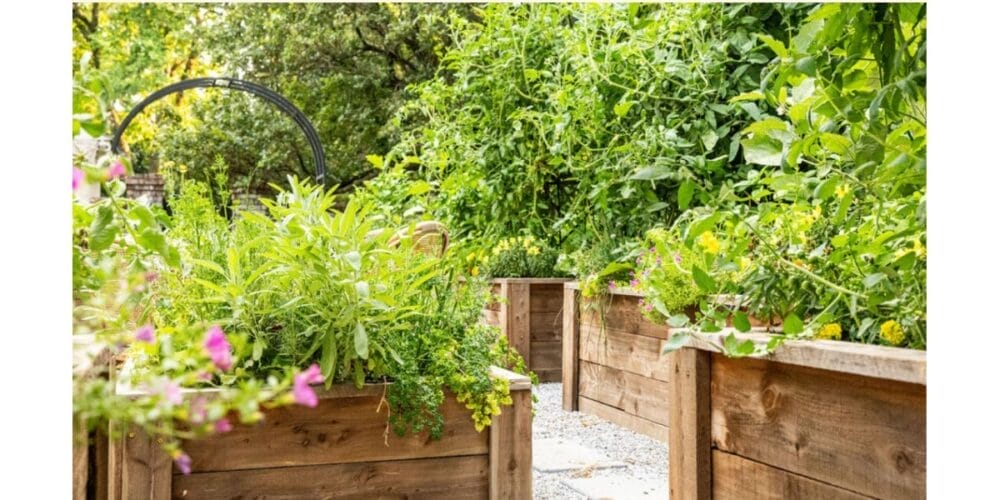
Organic Ways to Control Pests in the Garden
A healthy garden is a joy to grow, but nothing is more frustrating than seeing your hard work damaged by pests. Aphids on roses, caterpillars on cabbages, or beetles chewing through leaves can quickly take over if left unchecked. While chemical pesticides may offer quick results, they often harm beneficial insects, contaminate soil, and affect the safety of your harvest. Fortunately, there are effective organic ways to control pests in the garden that protect plants while keeping nature in balance.
Table of Contents
Why Choose Organic Pest Control?
Organic pest control focuses on prevention, natural predators, and eco-friendly solutions. It helps maintain soil health, protects pollinators like bees and butterflies, and ensures that fruits and vegetables are safe for consumption. Over time, organic methods also make your garden more resilient by encouraging biodiversity and natural pest resistance.
1. Encourage Beneficial Insects
Not all insects are harmful. Many are natural predators that keep pest populations under control.


- Ladybugs feed on aphids and mites
- Lacewings consume thrips, whiteflies, and caterpillar eggs
- Parasitic wasps control caterpillars and beetles
To attract beneficial insects, grow flowering plants such as marigolds, dill, fennel, cosmos, and alyssum. Avoid broad-spectrum sprays that can kill helpful insects along with pests.
2. Practice Companion Planting

Companion planting is one of the oldest organic pest control techniques. Certain plants naturally repel pests or confuse them with strong scents.
- Basil repels mosquitoes and flies
- Marigolds deter nematodes and aphids
- Garlic and onions repel beetles and borers
- Nasturtiums attract aphids away from vegetables
Strategically planting these companions around vulnerable crops reduces pest pressure without chemicals.
Also Read: How to Start an Herb Garden
3. Use Natural Sprays and Solutions
Homemade organic sprays can be very effective when used correctly.
- Neem oil disrupts insect feeding and reproduction
- Soap spray (mild liquid soap and water) controls aphids, mites, and whiteflies
- Garlic-chili spray repels chewing insects
Always spray early in the morning or evening to avoid harming pollinators and test on a small area first.
4. Handpicking and Physical Removal
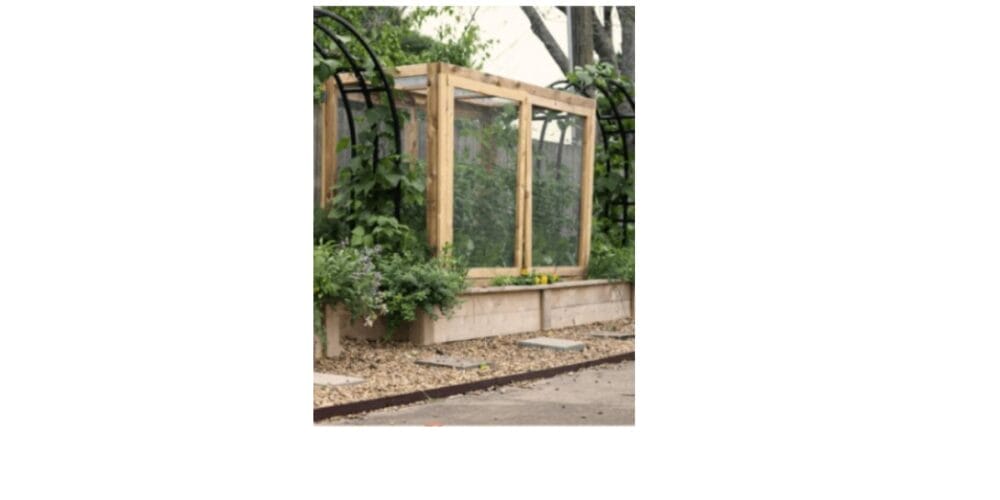
For small gardens, manual removal is surprisingly effective. Inspect plants regularly and remove pests like caterpillars, beetles, and egg clusters by hand. Dropping them into soapy water prevents them from returning.
Using physical barriers such as row covers, netting, and collars around seedlings can stop pests from reaching plants in the first place.
5. Improve Soil Health
Healthy soil grows strong plants that are less attractive to pests. Enrich your soil with compost, well-rotted manure, and organic matter. Strong plants can better withstand pest attacks and recover faster from damage.
Avoid excessive nitrogen fertilizers, as they promote soft, lush growth that attracts aphids and other insects.
Also Read: The Best Way to Start a Victory Garden
6. Rotate Crops Every Season
Crop rotation breaks pest life cycles by preventing insects from finding the same host plants year after year. For example, rotating tomatoes, peppers, and eggplants with legumes or leafy greens helps reduce soil-borne pests and diseases.
This simple practice is especially important in kitchen gardens and raised beds.
7. Use Traps and Decoys

Organic traps help monitor and control pest populations.
- Yellow sticky traps attract whiteflies and aphids
- Beer traps control slugs and snails
- Pheromone traps help reduce moth populations
Trap crops like mustard or radish can also lure pests away from main crops.
8. Water and Prune Wisely
Overcrowded and stressed plants are more prone to pests. Provide proper spacing, adequate sunlight, and regular watering. Prune damaged or infected leaves to prevent pests from spreading.
Avoid overhead watering late in the day, as damp foliage encourages insects and fungal problems.
9. Birds and Wildlife as Pest Controllers
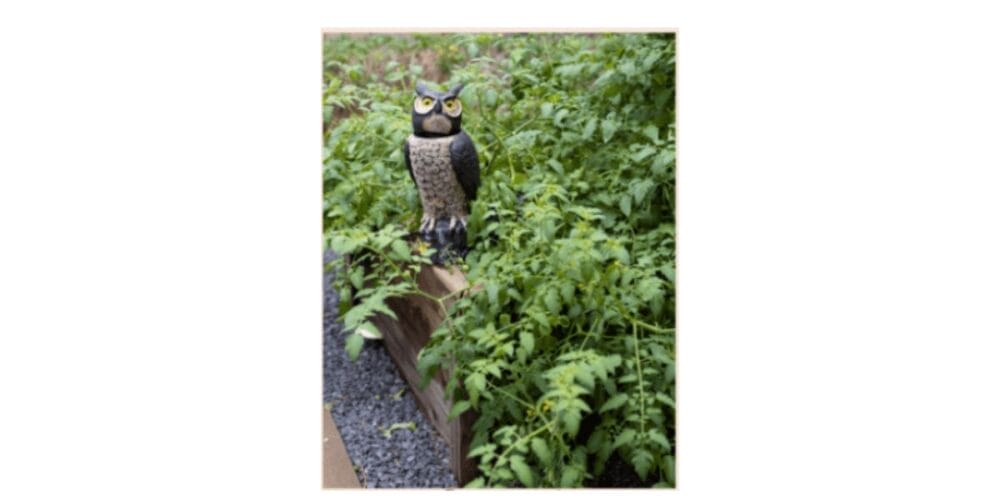
Birds, frogs, and lizards are excellent natural pest controllers. Installing bird feeders, birdbaths, or small water sources encourages them to visit your garden. A diverse ecosystem keeps pest populations naturally balanced.
10. Be Patient and Observant
Organic pest control is not about eliminating every insect but maintaining balance. Some pest damage is normal and even beneficial, as it supports natural predators. Regular monitoring helps you act early before infestations become severe.
Also Read: Complete Guide to Using Trellises in the Kitchen Garden
Final Thoughts
Choosing organic ways to control pests in the garden leads to healthier plants, safer food, and a thriving ecosystem. By encouraging beneficial insects, improving soil health, using natural sprays, and practicing smart gardening techniques, you can manage pests effectively without harming the environment.
Organic gardening is a long-term investment. With patience and consistency, your garden will become stronger, more productive, and naturally resistant to pests—proving that nature truly knows best.
Also Read: About Organic Ways to Control Pests in the Garden on gardenary.com Site