Lime Tree Growing
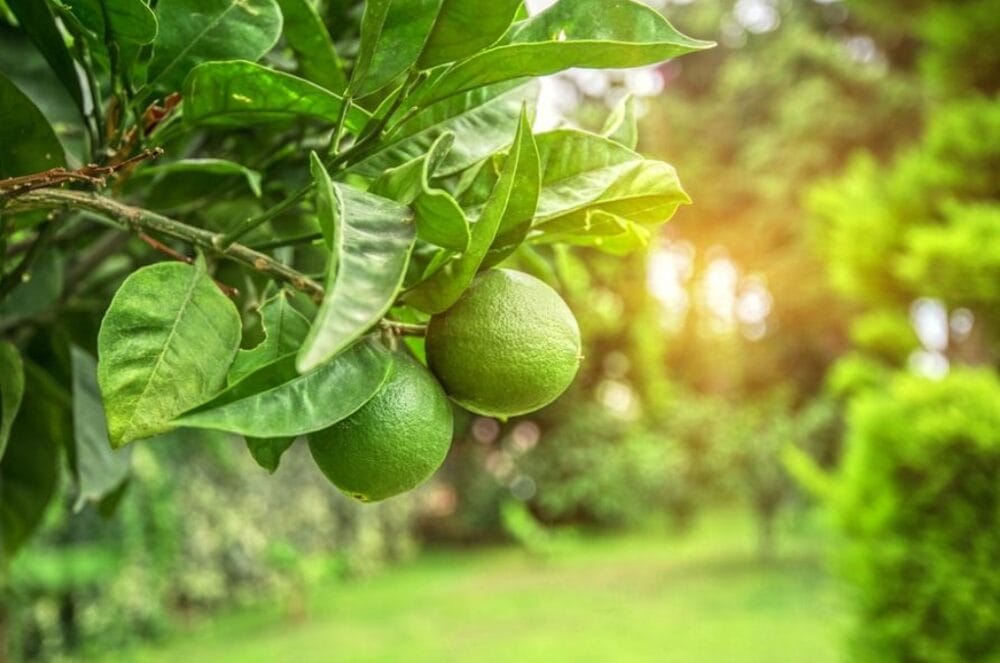
Lime trees are popular citrus plants grown for their juicy, aromatic fruits that are widely used in cooking, beverages, and traditional medicine. Whether grown in a backyard garden, orchard, or container, lime trees are relatively easy to cultivate with proper care.
Everything you need to know about lime tree cultivation for successful growth.
Here is a short and easy table covering the key points of lime tree growing:
| Aspect | Key Points |
|---|---|
| Climate | Warm tropical to subtropical climate (20–35°C) |
| Soil | Well-drained loamy soil, pH 5.5–7.5 |
| Propagation | Seeds, budding, or grafting (budding preferred) |
| Planting Season | June–July or February–March |
| Spacing | 5–6 meters between plants |
| Sunlight | Full sunlight (6–8 hours daily) |
| Irrigation | Moderate watering; avoid waterlogging |
| Fertilizer | FYM + NPK fertilizers annually |
| Pruning | Light pruning after harvest |
| Flowering Time | Starts within 2–3 years |
| Harvesting | Fruits ready 4–6 months after flowering |
| Yield | 800–1200 fruits per tree per year |
| Pests & Diseases | Citrus canker, aphids, leaf miner |
| Economic Life | 15–20 years |
Importance of Growing Lime Trees
Limes are rich in vitamin C, antioxidants, and essential nutrients. Lime trees are not only valuable for fruit production but also enhance garden beauty with their glossy green leaves and fragrant white flowers. Due to their high market demand, lime cultivation is also a profitable option for small and commercial farmers.
Suitable Climate for Lime Tree Growing
Lime trees thrive best in warm, tropical, and subtropical climates. The ideal temperature range is 20°C to 35°C. These trees are sensitive to frost and cold winds, which can damage flowers and young fruits. Areas with moderate rainfall and plenty of sunlight are ideal for healthy growth.


Lime trees require at least 6–8 hours of direct sunlight daily. Protection from strong winds helps prevent flower drop and branch damage.
Soil Requirements
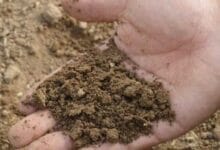
Well-drained soil is essential for lime tree growth. Sandy loam or loamy soil with good organic content works best. The ideal soil pH ranges between 5.5 and 7.5. Avoid waterlogged or heavy clay soils, as they can cause root rot and poor growth.
Before planting, enrich the soil with compost or well-decomposed farmyard manure to improve fertility and drainage.
Lime Tree Varieties
Some popular lime varieties include:
- Key Lime (Mexican Lime) – Small, aromatic fruits
- Persian Lime (Tahiti Lime) – Seedless and larger fruits
- Kagzi Lime – Commonly grown in India
- Sweet Lime (Mosambi) – Mild flavor, widely consumed fresh
Choose a variety suitable for your climate and intended use.
Planting Method
Lime trees can be grown from seeds, but grafted or budded plants are preferred for early fruiting and better quality.
Planting steps:
- Dig a pit of about 60 x 60 x 60 cm
- Mix topsoil with compost or manure
- Place the sapling upright and cover roots gently
- Water immediately after planting
The best time to plant lime trees is during the monsoon season or early spring.
Watering Requirements
Young lime trees need regular watering to establish strong roots. Water the plant 2–3 times a week during dry periods. Mature trees require deep watering every 7–10 days.
Avoid overwatering, as excess moisture can cause root diseases. Mulching around the base helps retain moisture and control weeds.
Fertilizer and Nutrient Management
Balanced nutrition is essential for fruit production. Apply organic manure once or twice a year. Chemical fertilizers containing nitrogen, phosphorus, and potassium (NPK) can be applied in split doses.
Micronutrients such as zinc, iron, and magnesium help prevent leaf yellowing and improve fruit quality.
Also Read:Top 10 Benefits of Organic NPK Fertilizers for healthy plants
Pruning and Training
Pruning helps maintain tree shape, improve air circulation, and increase fruit yield. Remove dead, diseased, or crossing branches annually. Light pruning after harvesting promotes new growth and flowering.
Avoid heavy pruning, as it may reduce fruit production.
Pest and Disease Management
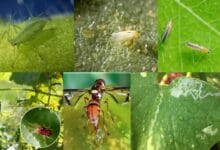
Common pests affecting lime trees include aphids, citrus leaf miners, whiteflies, and mites. Diseases such as citrus canker, root rot, and powdery mildew may also occur.
Use neem oil sprays, proper sanitation, and recommended pesticides only when necessary. Maintaining healthy soil and proper spacing reduces disease risk.
Also Read:Top 8 Micronutrient Fertilizers: Importance, Types, Benefits, and Application
Flowering and Fruiting
Lime trees usually begin flowering within 2–3 years of planting if grafted. Flowers appear mainly during spring and monsoon seasons. Fruits mature within 4–6 months after flowering.
Proper watering and nutrition during flowering improve fruit set.
Harvesting and Yield
Limes are ready for harvest when fruits turn light green to yellow and feel firm. Hand-pick fruits carefully to avoid damaging branches.
A healthy mature lime tree can produce 50–100 kg of fruit per year, depending on variety and care.
Storage and Uses
Fresh limes can be stored at room temperature for a few days or refrigerated for longer shelf life. Limes are used in cooking, beverages, pickles, cosmetics, and medicinal preparations.
Frequently Asked Questions (FAQ)
Q1: How long does a lime tree take to bear fruit?
A grafted lime tree usually starts producing fruit within 2–3 years.
Q2: Can lime trees be grown in pots?
Yes, lime trees grow well in large containers with proper drainage and sunlight.
Q3: How often should I water a lime tree?
Young plants need frequent watering, while mature trees need deep watering every 7–10 days.
Q4: What is the best fertilizer for lime trees?
A balanced NPK fertilizer along with organic manure and micronutrients is ideal.
Q5: Why are the leaves of my lime tree turning yellow?
Yellowing may be due to nutrient deficiency, overwatering, or poor drainage.
Q6: When is the best time to harvest limes?
Harvest when fruits reach full size and show a light green to yellow color.
Q7: Are lime trees easy to maintain?
Yes, with proper sunlight, watering, and care, lime trees are easy to grow and maintain.
Also Read:The Ultimate Guide to Growing Key Lime Trees Naturally at Home