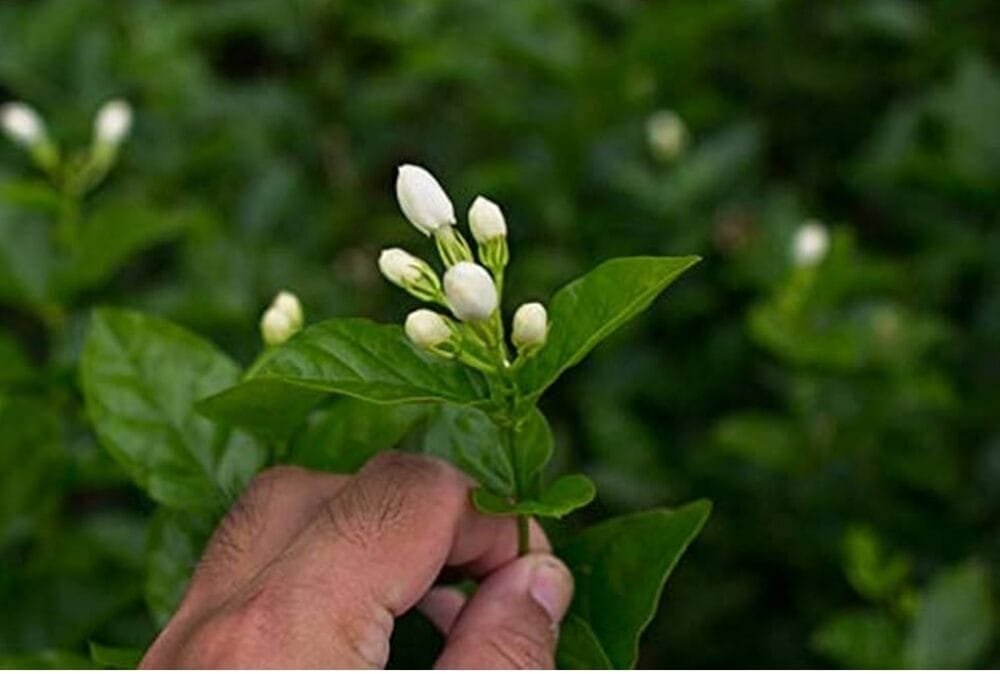
Jasmine is one of the most loved flowering plants, famous for its delicate white blooms and sweet, calming fragrance. Whether grown in gardens, balconies, or pots, jasmine plants add beauty, aroma, and even cultural significance to any space.
With proper care and the right growing conditions, cultivating jasmine at home is simple and highly rewarding.
This guide explains everything you need to know about jasmine plant cultivation, from climate and soil to pruning and pest control.
Table of Contents
Understanding the Jasmine Plant
Jasmine belongs to the genus Jasminum and includes more than 200 species. Some popular varieties grown in India include Arabian jasmine (Jasminum sambac), Common jasmine (Jasminum officinale), and Night-blooming jasmine (Cestrum nocturnum, though botanically different).


Most jasmine plants are shrubs or climbers and are known for their long blooming season and intense fragrance.
Climate and Location
Jasmine plants thrive in warm and tropical to subtropical climates. They prefer temperatures between 15°C and 30°C. While jasmine loves sunlight, extreme heat can stress the plant. Choose a location that receives 4–6 hours of bright sunlight daily, preferably morning sun with partial shade in the afternoon. For climber varieties, provide a trellis, fence, or wall for support.
Also Read: Litchi Cultivation: Complete Guide for Successful Farming
Soil Requirements
Well-drained, fertile soil is essential for healthy jasmine growth. The ideal soil should be loamy, rich in organic matter, and slightly acidic to neutral (pH 6.0–7.5). Before planting, mix garden soil with compost or well-rotted farmyard manure to improve nutrient content and drainage. Poor drainage can lead to root rot, one of the most common problems in jasmine cultivation.
Propagation Methods
Jasmine can be propagated through seeds, cuttings, or layering, but stem cuttings are the most common and reliable method.
- Select a healthy, semi-hardwood stem about 10–15 cm long.
- Remove the lower leaves and dip the cut end in rooting hormone (optional).
- Plant the cutting in moist soil or a sand-compost mix.
- Keep it in partial shade and water lightly until roots develop, usually within 4–6 weeks.
Planting and Spacing
Jasmine can be grown directly in the ground or in pots. For garden planting, dig a hole twice the size of the root ball and place the plant carefully, covering it with soil and pressing gently. Space plants about 1–1.5 meters apart to ensure proper air circulation. For pots, choose containers with drainage holes and a minimum depth of 12–14 inches.
Watering Schedule
Jasmine plants like evenly moist soil but do not tolerate waterlogging. Water the plant regularly during the growing and flowering season, especially in summer. Reduce watering in winter when growth slows down. Always check the topsoil before watering—if it feels dry, it’s time to water.
Fertilization
Proper nutrition encourages lush growth and abundant flowering. Apply organic compost or vermicompost every 4–6 weeks. During the blooming season, you can also use a balanced liquid fertilizer or one rich in phosphorus to promote flowers.
Avoid excessive nitrogen, as it may lead to more leaves and fewer flowers.
Also Read: Top 7 Organic Fertilisers for Coconut Trees
Pruning and Training
Pruning is an important part of jasmine cultivation. Light pruning after flowering helps maintain shape, removes dead or weak branches, and encourages new growth. For climber varieties, gently tie new shoots to supports to guide their growth. Regular pruning improves air circulation and increases flower production.
Pest and Disease Management
Common pests affecting jasmine include aphids, whiteflies, spider mites, and mealybugs. These can be controlled using neem oil spray or mild soap solution.
Fungal diseases like root rot and leaf spot usually occur due to overwatering or poor drainage. Maintaining proper spacing, drainage, and hygiene helps prevent most diseases.
Harvesting Flowers
Jasmine flowers are usually harvested early in the morning when their fragrance is strongest. Regular harvesting encourages more blooms and keeps the plant productive.
Frequently Asked Questions (FAQ)
Q1. Can jasmine be grown indoors?
Yes, jasmine can be grown indoors if placed near a bright window with sufficient sunlight and good air circulation. However, outdoor growth generally results in better flowering.
Q2. How long does a jasmine plant take to flower?
Most jasmine plants start flowering within 6–12 months after planting, depending on the variety and growing conditions.
Q3. Why is my jasmine plant not flowering?
Common reasons include insufficient sunlight, excess nitrogen fertilizer, improper pruning, or stress due to overwatering or poor soil.
Q4. How often should jasmine be watered?
Water jasmine when the top layer of soil feels dry. During summer, this may be every 2–3 days, while in winter, watering should be reduced.
Q5. Is jasmine a perennial plant?
Yes, jasmine is a perennial plant and can live for many years with proper care.
Q6. Can jasmine grow in pots?
Absolutely. Jasmine grows well in pots as long as the container is large enough and has good drainage.
With its intoxicating fragrance and elegant flowers, jasmine is a wonderful addition to any home garden. By following proper cultivation practices, you can enjoy healthy plants and abundant blooms year after year.