Introduction of Lihocin Micronutrients
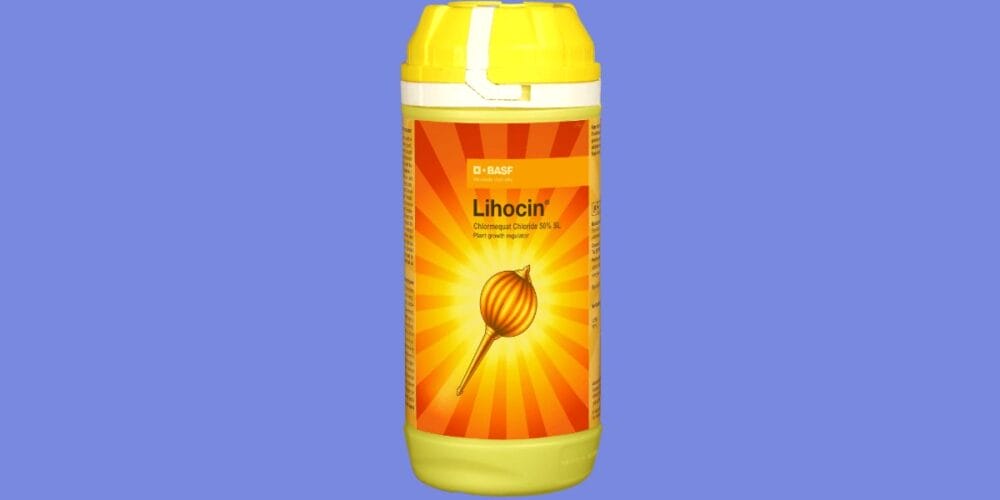
When it comes to modern agriculture, nutrient management plays a crucial role in achieving high yields and consistent crop quality. Alongside primary nutrients like nitrogen, phosphorus, and potassium, micronutrients are vital for the complete nutrition of crops. One such micronutrient-rich product gaining popularity among farmers is Lihocin Micronutrients. Designed to supply essential trace elements to plants, Lihocin helps in boosting growth, improving disease resistance, and enhancing overall crop productivity.
In this blog, we will explore what Lihocin Micronutrients are, how they work, their benefits, recommended application dosages, suitable crops, and more.
Table of Contents
What is Lihocin Micronutrients?
Lihocin Micronutrients is a specially formulated agricultural supplement containing essential trace elements such as Zinc (Zn), Manganese (Mn), Iron (Fe), Copper (Cu), Boron (B), and Molybdenum (Mo). These nutrients are required by plants in very small quantities but play significant roles in biochemical and physiological processes. Lihocin ensures that deficiencies of these micronutrients are corrected effectively, supporting strong plant development and higher yields.
Why Are Micronutrients Important in Crop Growth?
Micronutrients act as catalysts in plant metabolism, helping in:



- Chlorophyll formation
- Enzyme activation
- Hormone synthesis
- Root development
- Flowering and fruit setting
- Nitrogen metabolism
Without adequate micronutrients, crops may show symptoms like stunted growth, yellowing leaves (chlorosis), poor flowering, fruit cracking, weak roots, and reduced resistance to pests and diseases.
Also Read: Aries Agromin: Premium Micronutrient Solutions for Crops.
Key Micronutrients in Lihocin and Their Roles
| Micronutrient | Function in Plant Growth |
| Zinc (Zn) | Helps in enzyme activity, leaf formation, and auxin hormone synthesis. |
| Iron (Fe) | Essential for chlorophyll formation and respiration. |
| Manganese (Mn) | Supports photosynthesis and nitrate metabolism. |
| Copper (Cu) | Improves reproductive growth and disease resistance. |
| Boron (B) | Important for flowering, fruit setting, and sugar transport. |
| Molybdenum (Mo) | Helps in nitrogen fixation and enzyme activation. |
Benefits of Using Lihocin Micronutrients
Farmers who use Lihocin experience a wide range of positive effects, such as:
1. Faster and Healthier Growth
Lihocin supplies essential nutrients that stimulate plant metabolism, resulting in stronger and more vigorous plant growth.
2. Improves Flowering and Fruit Setting
Micronutrients like boron and zinc support reproductive growth, leading to better flowering, improved pollination, and enhanced fruit formation.
3. Prevents and Corrects Deficiencies
Lihocin quickly corrects deficiencies caused by poor soil nutrition, imbalanced fertilization, or environmental stress.
4. Enhances Chlorophyll Formation
Iron and manganese boost chlorophyll production, improving photosynthesis efficiency and resulting in greener, healthier plants.
5. Increases Crop Yield and Quality
By ensuring proper growth and development, Lihocin helps in producing higher yields with better size, weight, colour, and market value.
6. Enhances Plant Immunity
Micronutrients in Lihocin support stronger cell structure and resistance mechanisms, reducing vulnerability to diseases and abiotic stress.
Also Read: Librel TMX2 Micronutrients — what it is, how it helps crops, and how to use it
Recommended Crops for Lihocin
Lihocin Micronutrients can be used for a wide range of crops including:
- Field Crops: Wheat, Rice, Maize, Bajra, Barley, Sugarcane, Cotton
- Vegetables: Tomato, Potato, Onion, Chili, Brinjal, Cauliflower, Cabbage
- Fruit Crops: Mango, Banana, Grapes, Papaya, Citrus Fruits, Pomegranate
- Oilseeds: Groundnut, Mustard, Soybean, Sunflower
- Pulse Crops: Moong, Urad, Arhar, Lentils
Application Method and Dosage of Lihocin Micronutrients
The recommended dosage may vary depending on crop type and deficiency levels. General guidelines are:
- Foliar Spray:
Use 1.0–1.5 g per liter of water and spray during early vegetative and flowering stages. - Soil Application (Before Sowing or During Top Dressing):
Apply 5–10 kg per acre depending on soil condition and crop requirement.
For best results, repeat the application at 15–20 day intervals or as suggested by an agronomist.
Also Read: Best Chelated Micronutrients maximising un-expected yield in 2025
Best Time to Apply
- Early morning or late evening
- Avoid spraying during high heat or rain
- Ensure uniform coverage of leaves
Compatible With Other Products?
Lihocin is generally compatible with most fertilizers, pesticides, and fungicides. However, it is always advisable to conduct a jar test before mixing it with chemicals to ensure safety and effectiveness.
(Alternatives to Lihocin Micronutrients)
If Lihocin is not available, you may consider alternatives such as:
- Chelated Micronutrient Mixes
- EDTA-Based Micronutrient Formulations
- Boron and Zinc Sulfate-Based Products
Frequently Asked Questions (FAQs)
1. Can Lihocin be used on all crops?
Yes, it is suitable for vegetables, field crops, fruits, and ornamentals.
2. Is it safe for organic farming?
It depends on certification and product formulation. Check the label before use.
3. How quickly does it show results?
Visible improvements appear within 7–14 days, depending on deficiency severity.
Final Opinion
Lihocin Micronutrients is an effective and beneficial product for farmers looking to improve plant nutrition, prevent micronutrient deficiencies, and enhance crop yield and quality. Its balanced formulation ensures that plants receive essential trace nutrients that are often missing in soil, especially in intensive farming systems. By incorporating Lihocin into your crop nutrition program, you can ensure healthier plants, better productivity, and improved profit margins.
Also Read: About Lihocin Micronutrients on BASF Site
Lihocin Micronutrients Review
Product Cos
Compatibility
Availability
Aggregate Customer Score
Overall Rating: Excellent