
How to Grow Tamarind
Tamarind is one of the most popular and long-living fruit trees grown in tropical regions. Known for its sweet and tangy pulp, tamarind has high demand in the food processing industry for making chutneys, sauces, beverages, and medicines. The scientific name of tamarind is Tamarindus indica, and it belongs to the Fabaceae family.
Tamarind cultivation is a low-maintenance and drought-tolerant farming option, making it ideal for farmers looking for sustainable long-term income. Once established, the tree can produce fruits for more than 50–60 years with minimal care.
Table of Contents
Climate and Soil Requirements for Tamarind Cultivation
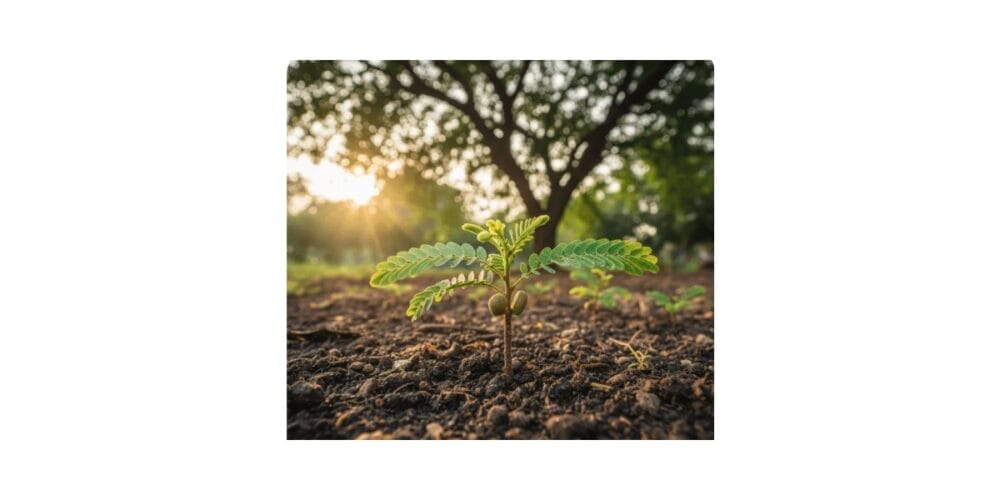
Tamarind grows well in tropical and subtropical climates. It thrives in regions with warm temperatures ranging from 25°C to 35°C. The tree is highly drought-resistant and can tolerate dry climatic conditions, making it suitable for rainfed farming areas.


Well-drained sandy loam or loamy soils with a pH range of 6.0 to 7.5 are ideal for tamarind cultivation. However, the plant can also grow in slightly alkaline soils. Avoid waterlogged soils, as excessive moisture may damage the root system and affect growth.
Tamarind Propagation Methods
Tamarind can be propagated through:
- Seeds
- Grafting
- Budding
Seed propagation is the most common method but may take longer to bear fruit (7–8 years). Vegetative propagation methods like grafting or budding are recommended for early fruiting and uniform yield. Grafted tamarind plants start producing fruits within 3–4 years after planting.
Before sowing, soak tamarind seeds in water for 24 hours to improve germination rates. Sow the seeds in nursery beds or polybags filled with a mixture of soil, sand, and farmyard manure.
Land Preparation and Planting
Prepare the main field by ploughing the land 2–3 times to achieve fine tilth. Dig planting pits of 60 cm × 60 cm × 60 cm size at a spacing of 8 m × 8 m to allow proper canopy development.
Fill the pits with a mixture of:
- Topsoil
- 10–15 kg farmyard manure
- 100 g single super phosphate
- 50 g neem cake
Plant the grafted or healthy seedlings during the monsoon season for better establishment.
Irrigation Management
Tamarind trees are drought-tolerant and require minimal irrigation once established. However, young plants need regular watering during the first 2–3 years for proper growth.
- Irrigate immediately after planting
- Provide watering at 7–10 day intervals during dry periods
- Avoid over-irrigation to prevent root rot
Drip irrigation can be adopted for efficient water management and improved plant growth.
Also Read: How to Grow Stone Flower (Kalpasi) at Home: A Complete Cultivation Guide for Beginners
Fertilizer and Nutrient Management
Apply the following fertilizers for optimal growth:
| Plant Age | FYM (kg/tree) | Nitrogen (g) | Phosphorus (g) | Potassium (g) |
| 1 Year | 10–15 | 50 | 40 | 50 |
| 3 Years | 20–25 | 100 | 80 | 100 |
| 5 Years+ | 40–50 | 200 | 150 | 200 |
Apply fertilizers twice a year:
- At the beginning of the monsoon
- After the harvest season
Organic manure improves soil fertility and enhances fruit quality.
Weed and Pest Management
Regular weeding during the initial growth stage is necessary to reduce competition for nutrients.
Common pests affecting tamarind include:
- Fruit borers
- Mealybugs
- Scale insects
Use neem oil spray or recommended bio-pesticides to control pest infestation. Maintaining field hygiene and proper spacing helps reduce pest attacks and diseases.
Pruning and Training
Prune the tamarind tree during the early growth stages to maintain proper shape and remove dead or diseased branches. Training the plant helps in better sunlight penetration and air circulation, which improves flowering and fruiting.
Also Read: How to Grow Gallnut (Majuphal): A Complete Cultivation Guide for High-Value Medicinal Farming
Harvesting Tamarind
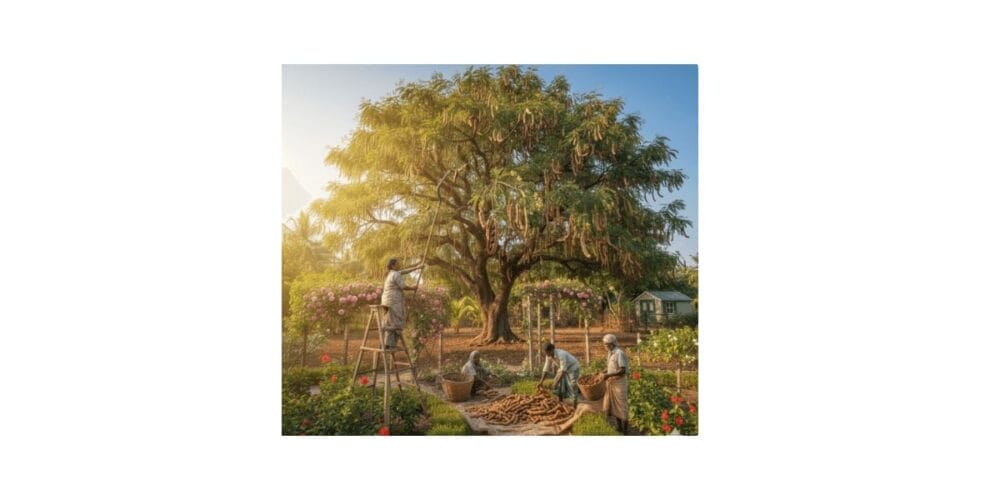
Tamarind trees start flowering after 3–4 years in grafted plants and 7–8 years in seed-grown plants. The fruits are ready for harvesting 8–10 months after flowering.
Harvest mature pods when they turn brown and brittle. Proper harvesting ensures better pulp quality and longer shelf life.
Yield of Tamarind
A fully grown tamarind tree can yield:
- 150–250 kg of pods per year
With proper management practices, farmers can achieve higher productivity and consistent income from tamarind cultivation.
Benefits of Tamarind Farming
- Low maintenance crop
- Drought-resistant plant
- Long productive lifespan
- High market demand
- Suitable for agroforestry systems
Tamarind farming is an excellent long-term investment for farmers in tropical regions.
Also Read: How to Grow Indian Madder (Manjistha) – A Complete Cultivation Guide
FAQs on Tamarind Cultivation
Q1: How long does tamarind take to bear fruit?
Grafted plants bear fruits in 3–4 years, while seed-grown plants take 7–8 years.
Q2: Can tamarind grow in dry areas?
Yes, tamarind is highly drought-tolerant and suitable for dryland farming.
Q3: What is the best season for planting tamarind?
Monsoon season is ideal for planting tamarind seedlings.
Final Thoughts
Tamarind cultivation is a profitable and sustainable farming practice that requires minimal care after establishment. With proper planting, nutrient management, and pest control, farmers can enjoy consistent yields for several decades. Investing in grafted plants and adopting modern farming techniques can significantly improve productivity and income in tamarind farming.