How to Grow Mustard Seeds
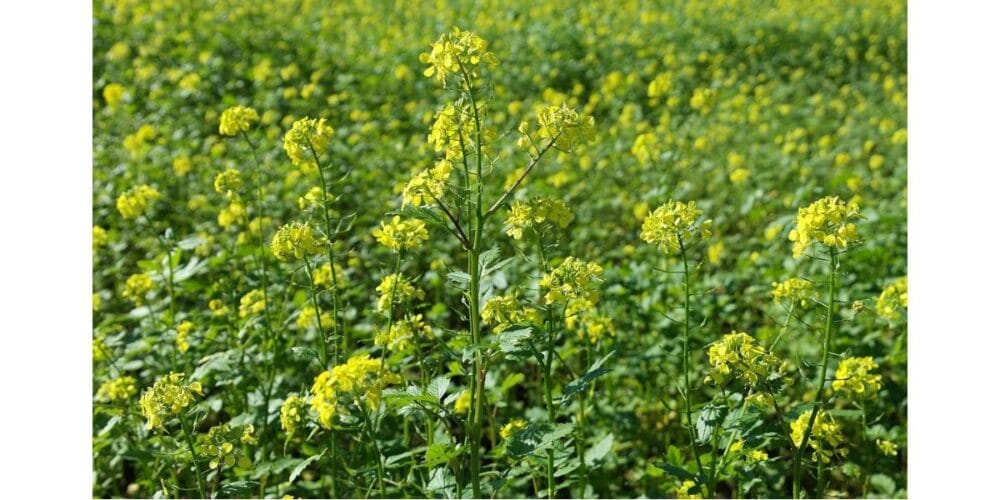
Mustard is one of the easiest and most profitable oilseed crops you can grow in your home garden or farm field. Known for its versatility in cooking, medicinal value, and soil-enriching properties, mustard is widely cultivated across India—especially in states like Rajasthan, Uttar Pradesh, West Bengal, and Odisha. Scientifically referred to as Brassica juncea, mustard seeds are used for oil extraction, spice preparation, and even as green manure in sustainable farming.
In this comprehensive guide, you’ll learn how to grow mustard seeds successfully—from seed selection to harvest.
Table of Contents
Ideal Climate and Soil for Mustard Cultivation
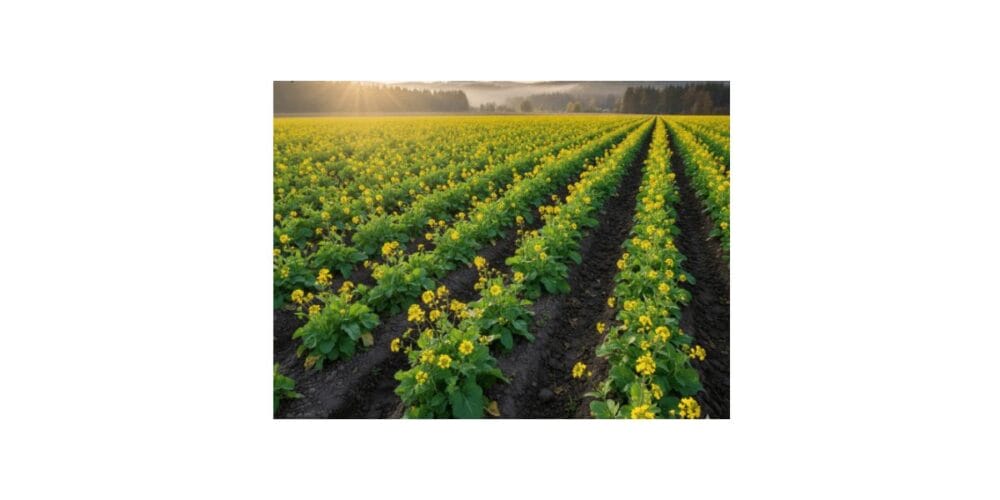
Mustard is a cool-season crop that grows best during the rabi (winter) season in India. It requires:
- Temperature: 10°C to 25°C
- Sunlight: Full sun exposure (at least 6 hours daily)
- Rainfall: Moderate rainfall between 25–40 cm
Mustard thrives in well-drained loamy or sandy loam soils with a pH range of 6.0 to 7.5. Avoid waterlogged or heavy clay soils as they can hinder root development and reduce yield.



Land Preparation
Start by ploughing the land 2–3 times to achieve a fine tilth. Remove weeds and debris from the soil. Add well-decomposed farmyard manure (FYM) or compost at the rate of 10–15 tonnes per hectare to enhance soil fertility.
Level the field to ensure uniform water distribution and proper seed germination.
Seed Selection and Sowing
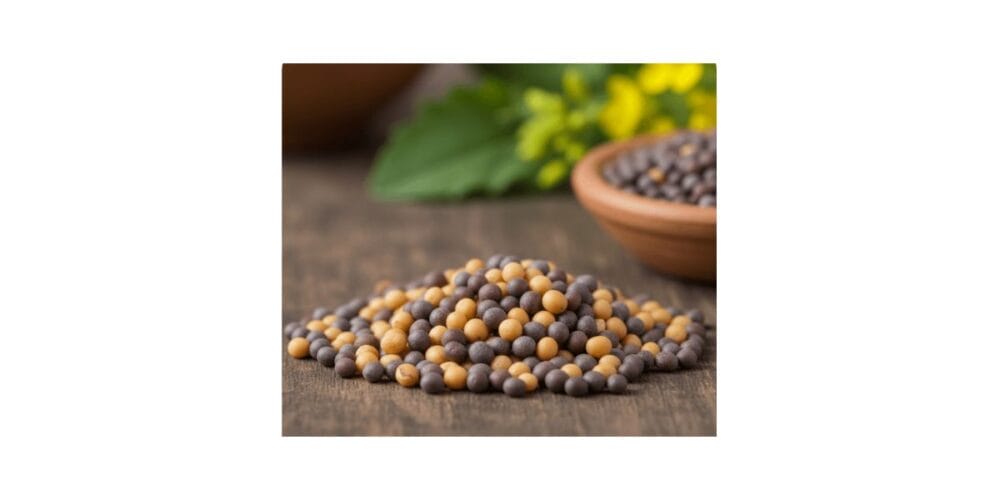
Choose high-quality certified seeds for better germination and disease resistance. Some popular mustard varieties grown in India include:
- Pusa Bold
- Varuna
- Rohini
- Kranti
Sowing Time:
- North India: Mid-October to November
- Eastern India (Odisha, West Bengal): Late October to early November
Sowing Method:
- Use the line sowing method for uniform spacing and easier weed control.
- Maintain a row-to-row spacing of 30 cm and plant-to-plant spacing of 10 cm.
- Sow seeds at a depth of 1.5 to 2 cm.
Seed rate: 4–5 kg per hectare.
Also Read: How to Grow Green Cardamom (Elaichi) – A Complete Cultivation Guide for Farmers
Fertilizer Management
Mustard is a nutrient-demanding crop and responds well to balanced fertilization.
Recommended Dose (per hectare):
- Nitrogen (N): 80–100 kg
- Phosphorus (P₂O₅): 40–60 kg
- Potassium (K₂O): 20–40 kg
Apply half of the nitrogen and the full dose of phosphorus and potassium at the time of sowing. The remaining nitrogen should be top-dressed after 25–30 days of sowing.
Micronutrients like boron and sulphur are essential for better flowering and seed formation. Apply sulphur at 20 kg/ha and boron at 1–2 kg/ha for optimal results.
Irrigation Requirements
Mustard needs 2–3 irrigations during its growth period:
- First irrigation: 20–25 days after sowing
- Second irrigation: At flowering stage
- Third irrigation (optional): During pod formation
Avoid over-irrigation as it can lead to fungal diseases and poor seed setting.
Weed and Pest Management
Weed Control:
Weeds can severely affect mustard yield during early growth stages. Carry out manual weeding 20–25 days after sowing. Alternatively, apply pre-emergence herbicide like Pendimethalin at recommended doses.
Common Pests:
- Aphids: Cause leaf curling and stunted growth
- Sawfly: Feed on leaves during early stages
Use neem oil spray or suitable insecticides to manage pest infestation.
Diseases:
- Alternaria Blight
- White Rust
Ensure proper spacing and avoid excessive irrigation to reduce disease risk. Use fungicides if necessary.
Also Read: How to Grow White Pepper: A Complete Cultivation Guide for High-Quality Spice Production
Harvesting Mustard Seeds
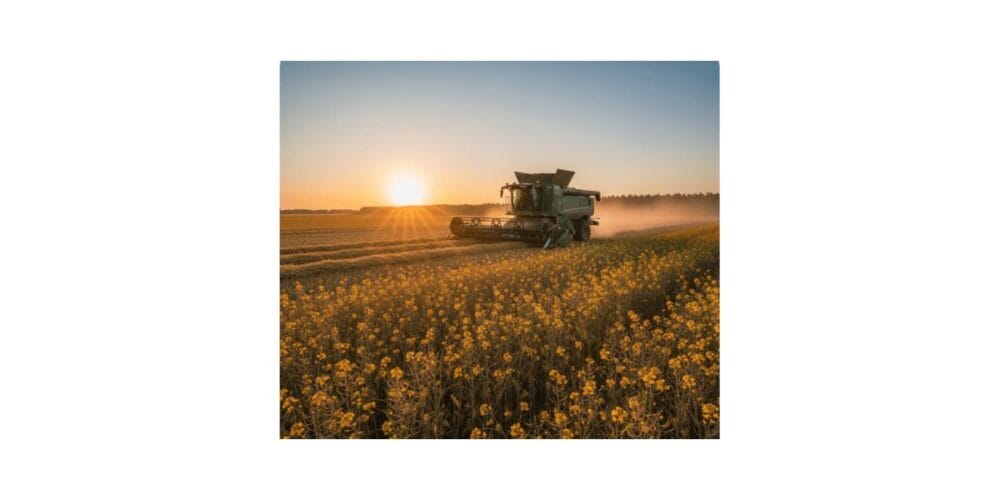
Mustard crops are ready for harvest within 100–120 days after sowing, depending on the variety.
Signs of Maturity:
- Pods turn yellowish-brown
- Leaves start drying and falling
- Seeds become hard and dark
Harvest the crop early in the morning to avoid seed shattering. Cut the plants close to the ground and allow them to dry for 4–5 days before threshing.
Yield and Storage
With proper care and management, mustard yields range from 10 to 15 quintals per hectare. After threshing, dry the seeds thoroughly to reduce moisture content below 8% for safe storage.
Store seeds in airtight containers or jute bags in a cool, dry place to prevent fungal growth and insect attack.
Benefits of Growing Mustard
- High market demand for oil and seeds
- Improves soil structure when used as green manure
- Short-duration crop suitable for crop rotation
- Requires low investment and offers good returns
FAQs
Q1: Can mustard be grown in pots?
Yes, mustard can be grown in large containers with proper drainage and sunlight.
Q2: How long does mustard take to grow?
Mustard takes around 100–120 days from sowing to harvest.
Q3: What is the best fertilizer for mustard?
A balanced NPK fertilizer along with sulphur and boron is ideal.
Also Read: How to Grow Pine Nuts: Complete Guide from Planting to Harvest
Final Thoughts
Growing mustard seeds is a rewarding experience for both beginners and experienced farmers. With minimal inputs and proper care, you can enjoy a healthy yield of this valuable oilseed crop. Whether you’re cultivating mustard for home use or commercial purposes, following the right practices can significantly boost your productivity and income.