How to Grow Clove
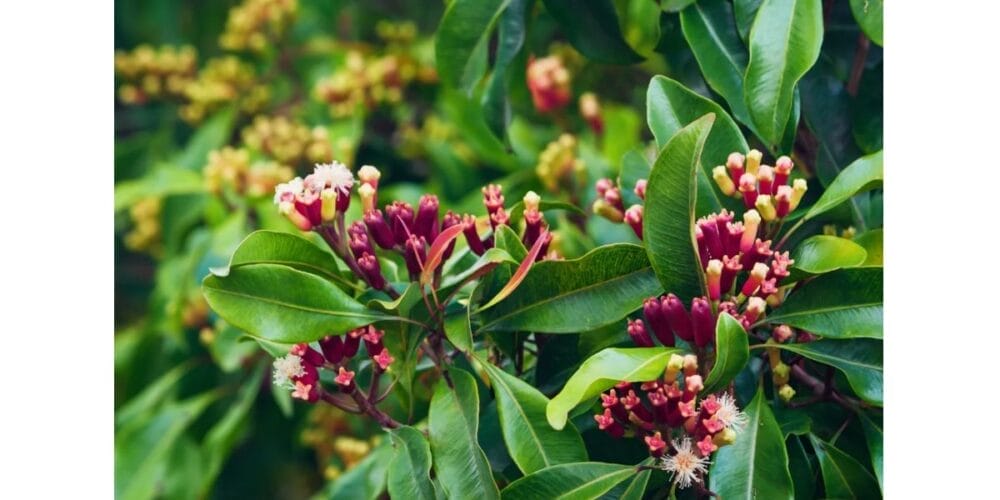
Clove (Syzygium aromaticum), commonly known as laung, is a valuable spice crop widely used in cooking, medicine, and essential oil production. Native to Indonesia, clove trees are now grown in many tropical regions, including parts of India. Though clove is a slow-growing perennial tree, it can produce flower buds for decades once established, making it a profitable long-term crop.
In this blog, you’ll learn everything about growing clove—from climate and soil requirements to planting, care, and harvesting.
Table of Contents
What is Clove and Why Grow It?

Clove is harvested from the unopened flower buds of an evergreen tree. The tree can grow 8–20 meters tall and thrives in tropical climates. Once mature, it can produce cloves for many years, making it a long-lasting plantation crop.
Clove cultivation offers several benefits:


- High-value spice crop
- Long productive lifespan
- Suitable for humid tropical regions
- Good export demand
Clove trees usually start yielding buds after 4–6 years and reach peak production around 15–20 years.
Ideal Climate for Growing Clove
Clove is strictly a tropical crop and needs stable environmental conditions.
Temperature
- Ideal range: 20°C to 30°C
- Sensitive to frost and cold below 15°C
Rainfall & Humidity
- Annual rainfall: 1500–2500 mm
- Humidity: 70–90% preferred
Clove trees thrive in warm, humid climates with well-distributed rainfall throughout the year. Drought and strong winds can reduce flowering and increase pest problems.
Soil Requirements for Clove Cultivation
Clove trees need fertile, well-drained soil rich in organic matter.
Best Soil Type
- Deep loamy or sandy-loam soil
- High organic matter
Soil pH
- Ideal range: 5.5–6.5 (slightly acidic)
Waterlogging must be avoided because clove roots are sensitive to excess moisture. Propagation Methods
Clove is mainly propagated by seeds, though grafting and air-layering are also used commercially.
Seed Propagation
- Use fresh seeds from ripe fruits
- Seeds lose viability quickly (within days)
- Germination occurs in 2–6 weeks
Seedlings are usually raised in nurseries and transplanted after about 12 months when they reach around 50 cm height.
Also Read: Ashwagandha Growing Guide: How to Grow Ashwagandha Plant at Home and Farm Level
Land Preparation and Planting
Planting Season
Plant during the rainy season or when soil moisture is high.
Spacing
- Typical spacing: 6 × 6 meters
- About 110 trees per acre
Proper spacing ensures good air circulation and canopy development.
Shade Management
Young clove plants require shade during the first 2–3 years. Banana plants or temporary shade structures are often used.
Irrigation and Water Management
Clove trees require consistent moisture, especially during early growth.
Watering Tips
- Water young plants weekly if rainfall is low
- Maintain moist but not waterlogged soil
- Drip irrigation works well
Young plants are more sensitive to water stress than mature trees.
Fertilizer and Nutrient Management
Organic manures are highly beneficial for clove cultivation.
Recommended Practices
- Apply compost or farmyard manure annually
- Use balanced fertilizers in mature plantations
Good nutrient supply improves flowering and bud quality.
Weed and Shade Management
Mulching and cover crops help conserve moisture and prevent soil erosion. Leguminous cover crops are often recommended because they improve soil fertility without competing heavily with clove trees.
Pests and Diseases
Clove trees can be affected by pests like scale insects and nematodes, and diseases like Sumatra disease. Preventive care, proper spacing, and healthy soil help reduce problems.
Also Read: How to Grow a Chocolate Plant (Cocoa Tree) at Home: A Complete Step-by-Step Guide
Harvesting Cloves
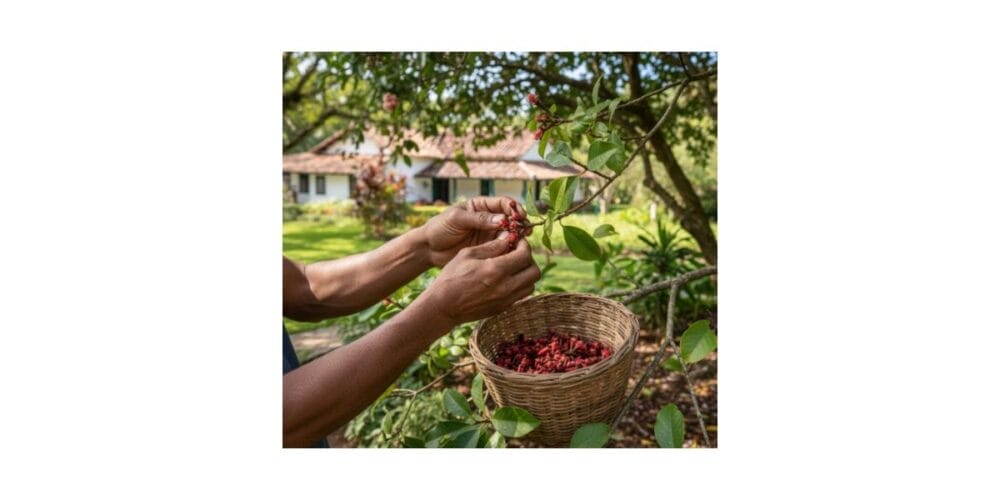
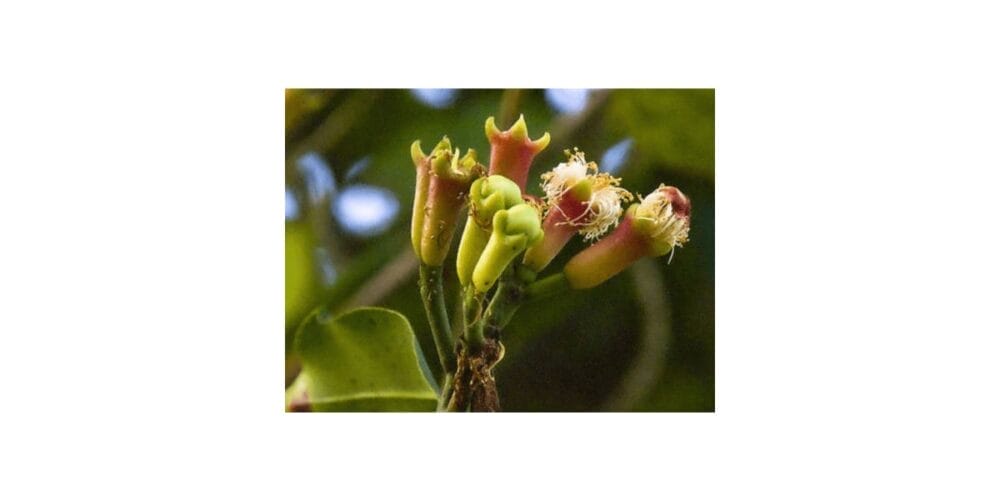
Cloves are harvested as unopened flower buds.
Harvest Indicators
- Buds change color from green to pink
- Harvest carefully to avoid branch damage
Clove harvesting usually occurs once or twice a year depending on climate.
Yield and Profit Potential
- Mature tree yield: 2–3 kg dried buds per tree
- Per acre yield: 300–400 kg dried cloves
Clove farming can generate high returns once trees mature, with productive life extending over decades.
Tips for Successful Clove Growing
Choose tropical or humid subtropical locations
Use fresh seeds only
Provide shade in early years
Ensure good drainage
Maintain regular moisture
Apply organic manure regularly
Also Read: Parijat Flower Cultivation: A Complete Guide to Growing the Sacred Night-Blooming Tree at Home
Benefits of Growing Clove at Home
- Fresh organic spice supply
- Ornamental evergreen tree
- Natural pest-repellent plant
- Long productive lifespan
Final Thoughts
Growing clove requires patience because it is a slow-growing tree, but the long-term rewards are excellent. With proper climate, soil, and care, clove trees can remain productive for many decades. For farmers in humid tropical regions, clove cultivation can be both economically and environmentally sustainable.
If you can provide the right growing conditions—warm temperature, high humidity, fertile soil, and good drainage—clove trees can become one of the most valuable perennial spice crops in your garden or farm.
Also Read: about How to Grow Clove on https://www.homesandgardens.com/gardens/how-to-grow-clove-trees-in-pots Site