How to Grow a Guava Tree
Guava (Psidium guajava) is one of the easiest and most rewarding fruit trees to grow, especially in tropical and subtropical regions. Known for its delicious taste, rich vitamin C content, and medicinal value, guava can be grown successfully in home gardens, farms, and even large pots.
With the right care and growing conditions, a guava tree can start bearing fruit within 2–3 years. This guide explains step by step how to grow a healthy and productive guava tree.
Table of Contents
Climate and Location for Growing Guava
Guava thrives best in warm climates with temperatures ranging from 20°C to 35°C. It can tolerate mild frost but severe cold may damage young plants. Choose a location that receives full sunlight for at least 6–8 hours a day, as sunlight is crucial for flowering and fruiting.
Guava trees adapt well to different environments, making them suitable for backyard gardening as well as commercial cultivation.


Soil Requirements
Guava grows well in a variety of soils, but well-drained loamy or sandy loam soil is ideal. The soil pH should range between 5.5 and 7.5. Avoid waterlogged or heavy clay soils, as poor drainage can cause root rot.
Before planting, enrich the soil with:
- Well-decomposed farmyard manure or compost
- Organic matter to improve fertility and drainage
Propagation Methods
Guava can be grown from seeds, but seed-grown plants may take longer to bear fruit and may not be true to type. The best propagation methods include:
- Air layering
- Grafting
- Cuttings
Grafted or layered plants are preferred because they grow faster and produce better quality fruits.
Also Read: Buy Agriculture Products Online from Pradhan Agro
Planting Guava Tree
When to Plant
The best time to plant guava is during the monsoon season or early spring, when the soil retains adequate moisture.
Planting Steps
- Dig a pit of about 60 cm × 60 cm × 60 cm.
- Mix topsoil with compost or well-rotted manure.
- Place the sapling carefully in the pit and fill it with soil.
- Press gently to remove air pockets.
- Water immediately after planting.
Maintain a spacing of 4–5 meters between plants for proper growth.
Watering Requirements
Young guava plants need regular watering to establish strong roots. Water them every 5–7 days during dry periods. Mature trees require less frequent watering but should be irrigated during flowering and fruit development.
Avoid overwatering, as excess moisture can lead to fungal diseases and poor fruit quality.
Fertilizer and Nutrient Management
Guava responds well to balanced nutrition. Apply organic manure once or twice a year. For better growth and yield, use a combination of organic and chemical fertilizers.
A general fertilizer schedule includes:
- Nitrogen for vegetative growth
- Phosphorus for root development
- Potassium for fruit quality
Apply fertilizers after pruning and before flowering for best results.
Also Read: Turnip Cultivation: A Complete Guide for Successful Farming
Pruning and Training
Pruning is essential for shaping the tree, improving air circulation, and increasing fruit production. Remove:
- Dead or diseased branches
- Weak and overcrowded shoots
- Suckers growing near the base
Light pruning after harvest encourages new growth and better flowering in the next season.
Pest and Disease Management
Common pests affecting guava include fruit flies, aphids, and mealybugs. Diseases such as wilt, anthracnose, and leaf spot may also occur.
Preventive measures include:
- Maintaining orchard hygiene
- Avoiding waterlogging
- Using neem oil or organic sprays
- Removing infected plant parts
Regular monitoring helps control problems early.
Flowering and Fruit Harvesting
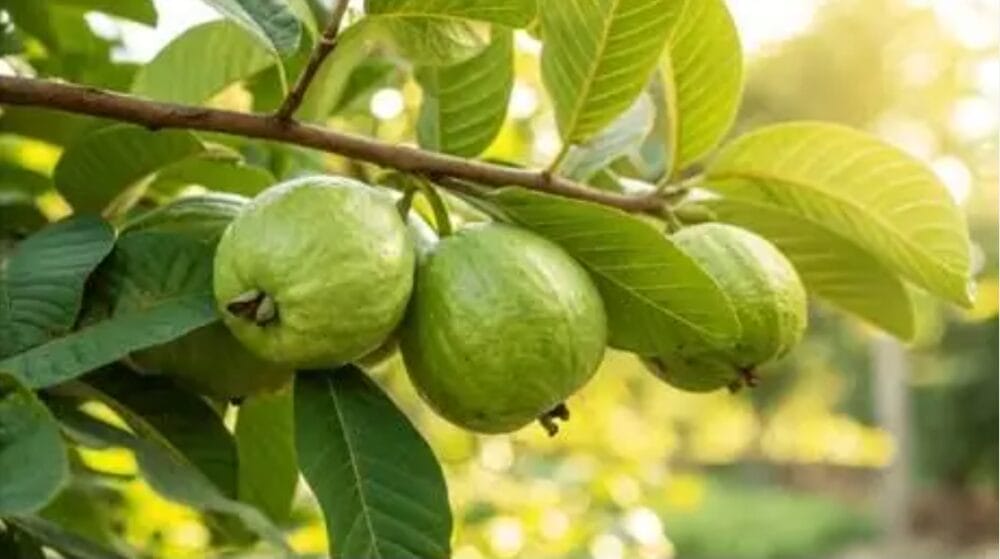
Guava trees usually start flowering within 1.5 to 2 years of planting. Fruits are ready for harvest 4–5 months after flowering. Harvest when fruits turn light green to yellow and emit a pleasant aroma.
Pick fruits carefully to avoid bruising, and consume or store them properly.
Also Read:
Growing Guava in Pots
Guava can also be grown in large containers (minimum 18–24 inches). Choose dwarf varieties, use well-drained potting mix, and ensure regular watering and feeding. Pruning is especially important for potted plants to control size.
Frequently Asked Questions (FAQ)
1. How long does a guava tree take to bear fruit?
A grafted guava tree usually starts bearing fruit within 2–3 years, while seed-grown trees may take 4–5 years.
2. Can guava be grown at home?
Yes, guava is ideal for home gardens and can even be grown in large pots on terraces or balconies.
3. How often should a guava tree be watered?
Young plants need watering every 5–7 days. Mature trees require watering mainly during flowering and fruiting stages.
4. Does guava need full sunlight?
Yes, guava trees need full sun for healthy growth and good fruit production.
5. What is the lifespan of a guava tree?
With proper care, a guava tree can remain productive for 30–40 years.
Also Read: A Guide to Growing Guava Trees in Pots