
Grapes Farming
Grapes are one of the most popular and profitable fruit crops grown across the world. In India, grape farming is widely practiced in states like Maharashtra, Karnataka, Tamil Nadu, Andhra Pradesh, and Punjab due to favorable climatic conditions.
Grapes are consumed fresh as table fruits and are also used for making raisins, juice, wine, and vinegar. With proper planning and management, grape cultivation can provide high yields and excellent income for farmers.
Table of Contents
Importance of Grapes Farming
Grapes are rich in vitamins, antioxidants, and minerals, making them highly valued for health benefits. They are in constant demand in domestic and export markets. Grape vines are perennial, meaning once established, they can produce fruit for many years, making grape farming a long-term and sustainable agricultural investment.
Climate and Soil Requirements
Grapes grow best in tropical to subtropical climates. The ideal temperature range for grape cultivation is between 15°C and 40°C. Dry weather during fruit ripening is essential for good quality produce, as excessive rainfall can cause fungal diseases and fruit cracking.



Well-drained sandy loam or clay loam soil rich in organic matter is ideal for grape farming. The soil pH should range from 6.5 to 7.5. Waterlogging must be avoided, as grapevines are highly sensitive to excess moisture around the roots.
Popular Grape Varieties
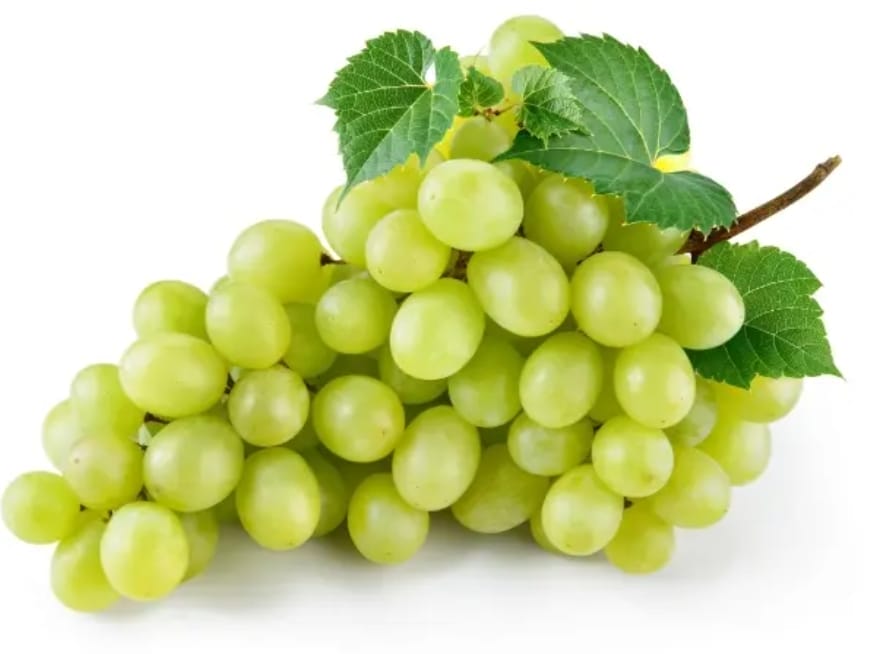
Choosing the right variety is crucial for successful grape farming. Some popular grape varieties grown in India include:
- Thompson Seedless – Most widely cultivated variety, ideal for table grapes and raisins
- Bangalore Blue – Common in southern India, used for juice and wine
- Anab-e-Shahi – Large-sized berries, good for table use
- Perlette – Early maturing variety, suitable for northern India
- Sharad Seedless – High-yielding variety with good export quality
Land Preparation and Planting
The land should be plowed deeply and leveled properly before planting. Pits of size 60 cm × 60 cm × 60 cm are dug and filled with a mixture of topsoil, well-decomposed farmyard manure (FYM), and compost.
Grapes are usually propagated through hardwood cuttings or grafted plants. The ideal planting season is June–July or January–February, depending on irrigation availability. Spacing of 2.5 m × 2.5 m or 3 m × 3 m is recommended for healthy vine growth.
Training and Pruning
Training and pruning are essential practices in grape farming to control vine growth and increase fruit yield. Common training systems include the bower system, kniffin system, and telephone system, with the bower system being most popular in India.
Pruning is done annually to remove unwanted shoots and encourage new fruit-bearing branches. Proper pruning improves air circulation, sunlight penetration, and fruit quality.
Irrigation Management
Grapevines require regular but controlled irrigation. Drip irrigation is highly recommended as it saves water and supplies moisture directly to the root zone. During summer, irrigation is required at intervals of 5–7 days, while in winter, watering once every 10–15 days is sufficient. Over-irrigation should be avoided to prevent root diseases.
Fertilizer and Nutrient Management
Balanced nutrition plays a vital role in grape production. Organic manure such as FYM or vermicompost should be applied during land preparation. Chemical fertilizers like nitrogen, phosphorus, and potassium are applied in split doses during different growth stages.
Micronutrients such as zinc, boron, and iron are essential for proper flowering and fruit development. Foliar sprays are often used to correct nutrient deficiencies.
Also Read:Top 8 Micronutrient Fertilizers: Importance, Types, Benefits, and Application
Pest and Disease Management
Common pests affecting grapes include thrips, mealybugs, and leafhoppers. Diseases such as powdery mildew, downy mildew, and anthracnose can reduce yield significantly. Integrated Pest Management (IPM) practices, including regular monitoring, proper pruning, and use of recommended pesticides and fungicides, help control these problems effectively.
Also Read: How to Grow, Harvest, and Enjoy Nasturtium Flowers
Harvesting and Yield
Grapes usually start bearing fruit within 2–3 years of planting. Harvesting is done when berries attain full size, color, and sweetness. Mature grapes are harvested manually using sharp scissors to avoid damage.
Average yield varies depending on variety and management practices, but a well-maintained vineyard can produce 20–30 tons per hectare annually.
Marketing and Profitability
Grapes have strong market demand both locally and internationally. Farmers can sell fresh grapes in wholesale markets, supply to processing units, or export high-quality produce. Value addition through raisin and juice processing further increases profitability.
Frequently Asked Questions (FAQ)
Q1. How long does it take for grapevines to bear fruit?
Grapevines usually start producing fruit within 2 to 3 years after planting.
Q2. Which is the best variety of grapes for Indian farmers?
Thompson Seedless is the most popular and widely grown variety in India due to its high yield and market demand.
Q3. Is grape farming profitable?
Yes, grape farming is highly profitable when proper cultivation practices, irrigation, and pest management are followed.
Q4. How often should grapes be watered?
During summer, irrigation is required every 5–7 days, while in winter, watering once every 10–15 days is sufficient.
Q5. Can grapes be grown in pots?
Yes, grapes can be grown in large pots or containers with proper support, pruning, and regular care.
Q6. What is the average lifespan of a grapevine?
A grapevine can produce fruit for 20–30 years or more with good management.
Grapes farming, when done scientifically, offers excellent returns and long-term benefits. With the right variety, proper care, and modern farming techniques, farmers can achieve high yields and sustainable income from grape cultivation.
Also Read:Top 12 Health Benefits of Cucumber


