
Garden Soil Mix for Raised Beds
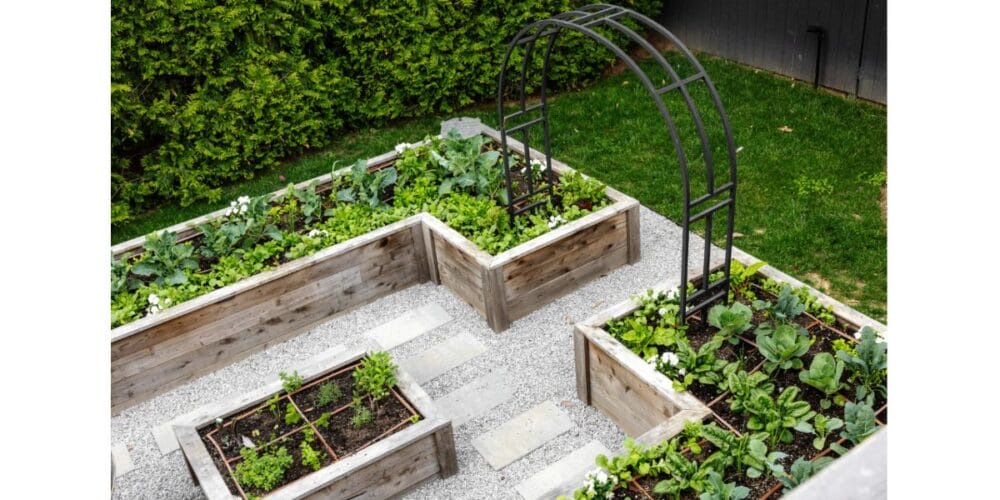
Raised bed gardening is one of the most effective ways to grow healthy vegetables, herbs, and flowers. It improves drainage, warms up faster in spring, and gives you full control over soil quality. However, many gardeners make critical mistakes when preparing their garden soil mix for raised beds, leading to poor plant growth, nutrient deficiencies, and disappointing harvests.
In this guide, we’ll explore the most common raised bed soil mix mistakes and explain how to fix them so your plants can thrive season after season.
Table of Contents
Why the Right Soil Mix Matters in Raised Beds
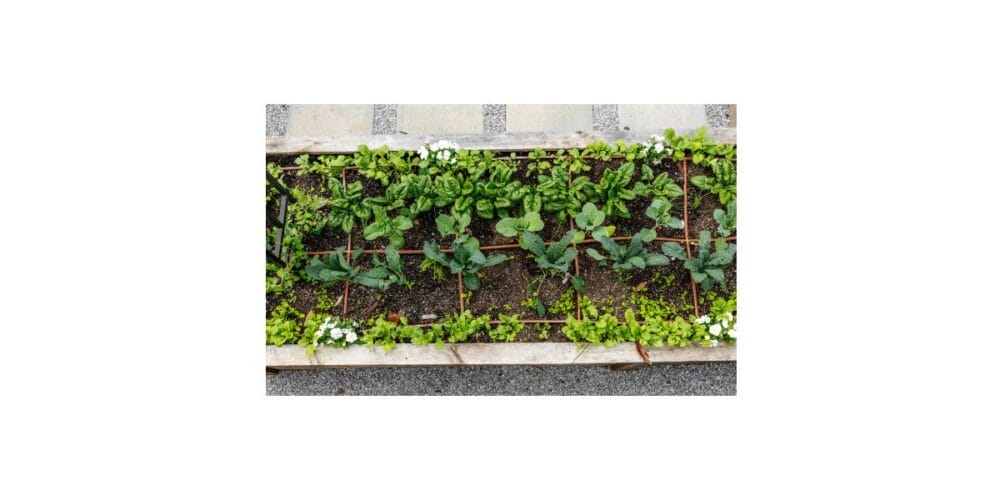
Unlike in-ground gardens, raised beds rely entirely on the soil you add. There’s no deep native soil beneath to supply nutrients, retain moisture, or support roots. A poor soil mix can compact easily, drain too quickly, or lack essential nutrients—creating stress for plants.
A well-balanced raised bed soil mix should:
- Drain well while retaining moisture
- Provide nutrients throughout the growing season
- Support beneficial microbes and earthworms
- Stay loose and airy for strong root growth
When these needs aren’t met, problems begin.
Mistake 1: Using Garden Soil or Topsoil Alone
One of the most common mistakes is filling raised beds with plain garden soil or topsoil. While it may seem convenient and cost-effective, this approach often leads to compacted soil that drains poorly.
Why it’s a problem:
- Garden soil becomes dense in raised beds
- Poor aeration restricts root growth
- Increased risk of waterlogging and root rot
Better solution:
Use a blended mix that includes compost, organic matter, and materials like coco coir or perlite to improve structure and airflow.
Also Read: How Often to Fertilise Your Tomato Plants
Mistake 2: Too Much Compost in the Mix
Compost is essential, but more isn’t always better. Many gardeners fill raised beds with nearly 100% compost, assuming it will supercharge plant growth.
Why it’s a problem:
- Compost breaks down quickly, causing soil to sink
- Excess nutrients can burn plant roots
- Water retention may become inconsistent
Better solution:
Limit compost to about 25–35% of the total soil mix. Combine it with topsoil and aeration materials for long-term stability.
Mistake 3: Ignoring Soil Drainage
Poor drainage is a silent killer in raised beds. Even though raised beds are known for better drainage, the wrong soil mix can still trap water.
Common drainage mistakes include:
- Using heavy clay-based soil
- Skipping aeration components
- Compacting soil during filling
Better solution:
Add drainage-enhancing materials such as coarse sand, perlite, vermiculite, or rice husk. These improve water movement and prevent soggy roots.
Mistake 4: Forgetting About Soil pH
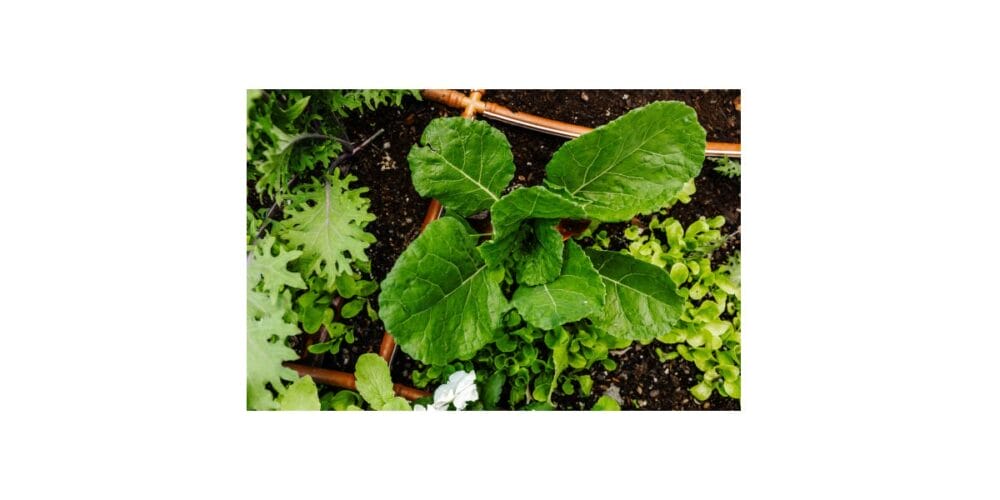
Many gardeners focus on nutrients but completely overlook soil pH. Different plants require different pH levels to absorb nutrients efficiently.
Why it’s a problem:
- Nutrients become unavailable at the wrong pH
- Plants show deficiency symptoms despite fertilizing
- Growth and yields suffer
Better solution:
Test your soil mix before planting. Most vegetables prefer a pH between 6.0 and 7.0. Use lime to raise pH or elemental sulfur to lower it if needed.
Also Read: The Best Types of Basil to Grow in an Herb Garden
Mistake 5: Skipping Organic Matter Diversity
Relying on just one organic component—such as compost alone—limits soil biology. Healthy raised bed soil is alive with microbes that help plants access nutrients.
Why it’s a problem:
- Reduced microbial activity
- Faster nutrient depletion
- Lower soil resilience
Better solution:
Include diverse organic materials like:
- Well-rotted farmyard manure
- Vermicompost
- Leaf mold
- Compost made from different plant sources
This diversity improves nutrient cycling and soil structure.
Mistake 6: Not Replenishing Soil Each Season
Raised bed soil doesn’t remain perfect forever. Nutrients get used up, organic matter breaks down, and soil level drops over time.
Why it’s a problem:
- Gradual decline in fertility
- Poor plant vigor in later seasons
- Increased pest and disease stress
Better solution:
Top up raised beds at least once a year with compost, organic amendments, and slow-release fertilizers. Lightly mix the top layer instead of disturbing deep roots.
Mistake 7: Using Untreated or Contaminated Materials
Some gardeners use construction sand, unaged manure, or unknown soil sources to save money. This can introduce salts, chemicals, or weed seeds into raised beds.
Why it’s a problem:
- High salt levels damage roots
- Weed infestation becomes unmanageable
- Risk of chemical contamination
Better solution:
Use trusted, well-composted, and garden-safe materials. Always age manure properly and avoid soil from polluted areas.
Also Read: Basics of Composting at Home: A Complete Beginner’s Guide
The Ideal Garden Soil Mix for Raised Beds
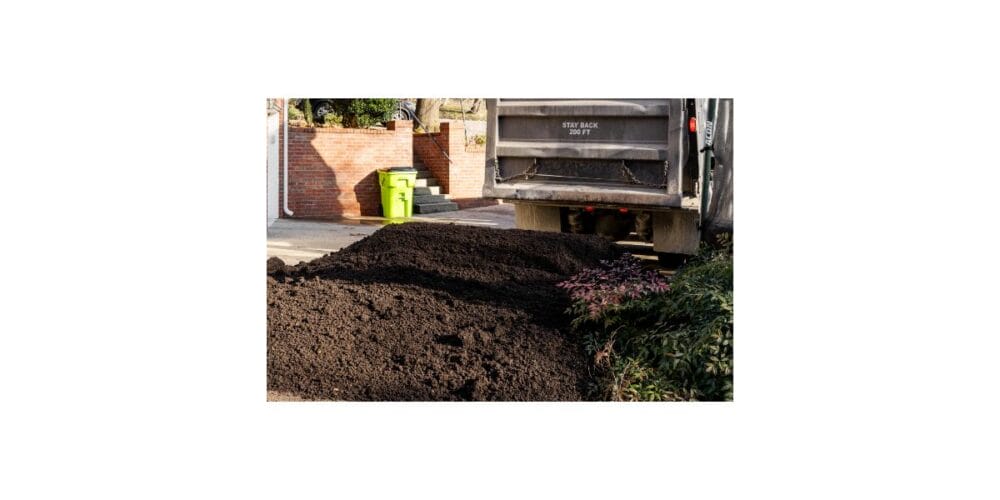
To avoid these mistakes, aim for a balanced and proven soil mix:
- 40–50% topsoil or garden soil
- 25–35% compost or organic manure
- 15–25% aeration materials (coco coir, perlite, rice husk, or sand)
This combination offers stability, fertility, and excellent drainage for most crops.
Final Thoughts
Creating the perfect garden soil mix for raised beds is more than just filling a box with dirt. Small mistakes—like using too much compost, ignoring drainage, or skipping soil testing—can have long-term effects on plant health and productivity.
By understanding and avoiding these common mistakes, you’ll build a living, nutrient-rich soil that supports strong roots, healthy plants, and abundant harvests year after year. Invest time in your soil, and your raised bed garden will reward you many times over.
Also Read: About Garden Soil Mix for Raised Beds on gardenary.com Site