Fenugreek Cultivation
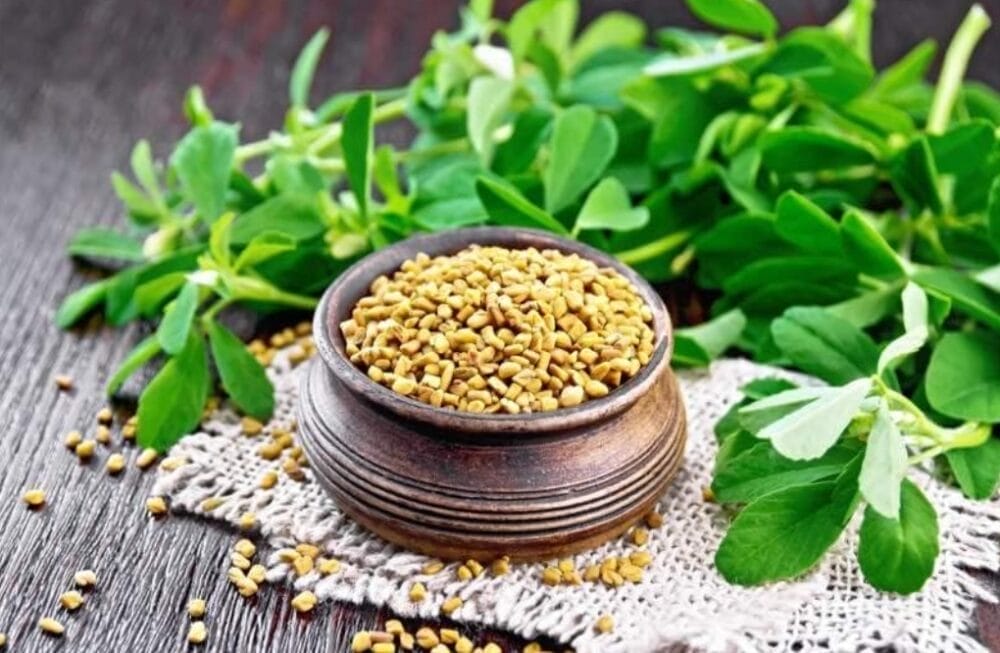
Fenugreek (Trigonella foenum-graecum), commonly known as methi, is a popular leafy vegetable and spice crop grown widely across India and many parts of the world. Its fresh leaves are used as a vegetable, while the dried seeds are valued for their medicinal, culinary, and nutritional properties.
Fenugreek cultivation is easy, cost-effective, and suitable for both commercial farming and home gardening.
Table of Contents
Importance of Fenugreek
Fenugreek is rich in iron, fiber, protein, and essential vitamins. It plays a significant role in Indian cuisine and traditional medicine. Fenugreek seeds are known to help regulate blood sugar, improve digestion, and boost lactation in nursing mothers.
Because of its short duration and low input requirements, fenugreek is a profitable crop for small and marginal farmers.


Climate Requirements
Fenugreek grows best in cool and dry climates. It is mainly cultivated during the rabi season.
- Optimal temperature: 10°C to 25°C
- Extreme heat or frost can reduce growth and seed production.
- Fenugreek is tolerant to mild cold but sensitive to waterlogging.
Soil Requirements
Fenugreek grows well in a variety of soils, but well-drained loamy or sandy loam soil is ideal.
- Soil pH: 6.0 to 7.5
- The soil should be fertile and rich in organic matter.
- Avoid heavy clay soils as they cause poor root development.
Before sowing, the field should be plowed 2–3 times to make the soil fine and weed-free.
Varieties of Fenugreek
Some improved and commonly grown fenugreek varieties include:
- Pusa Early Bunching
- Pusa Kasuri
- CO-1
- RMt-1
- Gujarat Methi-2
These varieties offer good leaf yield, seed quality, and disease resistance.
Sowing Time and Seed Rate
- Sowing season: October to November (for leaf and seed purpose)
- Seed rate:
- For leafy vegetable: 20–25 kg/ha
- For seed production: 10–12 kg/ha
Seeds should be soaked in water for 8–10 hours before sowing to improve germination.
Also Read:Top 10 Winter Vegetables for cultivation at home
Sowing Method and Spacing
Fenugreek is usually sown by line sowing.
- Row spacing: 20–30 cm
- Plant spacing: 10 cm
- Seeds are sown at a depth of 2–3 cm.
Germination occurs within 5–7 days after sowing.
Manure and Fertilizer Management
Fenugreek responds well to organic manures.
- Apply 10–15 tons of well-decomposed farmyard manure (FYM) per hectare during land preparation.
- Chemical fertilizers (per hectare):
- Nitrogen: 20–30 kg
- Phosphorus: 40 kg
- Potassium: 20 kg
Half nitrogen and full phosphorus and potassium should be applied at sowing, and the remaining nitrogen as top dressing after the first cutting.
Also Read: Top 10 Benefits of Organic NPK Fertilizers for healthy plants
Irrigation Management
Fenugreek requires light but regular irrigation.
- First irrigation: Immediately after sowing
- Subsequent irrigation: Every 7–10 days depending on soil and climate
- Avoid excess irrigation, as it may cause root rot.
Proper drainage is essential, especially during the early growth stage.
Weed Management
Weeds compete with fenugreek during the initial growth period.
- First weeding: 20–25 days after sowing
- Second weeding: If necessary, after 40 days
- Mulching can help suppress weeds in home gardens.
Pest and Disease Management
Common Pests
- Aphids
- Leaf miners
Control: Use neem oil spray or recommended insecticides if infestation is severe.
Common Diseases
- Powdery mildew
- Root rot
Control:
- Use disease-free seeds
- Maintain proper spacing and drainage
- Spray sulfur fungicide for powdery mildew if needed
Harvesting
- Leaf harvesting: Starts 25–30 days after sowing
- Multiple cuttings can be taken at 15-day intervals.
- Seed harvesting: Crop matures in 90–110 days.
Harvest the crop when pods turn yellow and dry. Plants are uprooted and dried before seed extraction.
Yield
- Leaf yield: 80–100 quintals per hectare
- Seed yield: 10–15 quintals per hectare
Yield depends on variety, soil fertility, and crop management.
Conclusion
Fenugreek cultivation is a low-cost, short-duration, and highly beneficial farming practice. It offers nutritional, medicinal, and economic advantages. With proper soil preparation, timely irrigation, and good crop management, farmers can achieve high yields and good profits. Fenugreek is also an excellent option for kitchen gardens due to its easy cultivation and quick harvest.
Frequently Asked Questions (FAQ)
Q1. How long does fenugreek take to grow?
Fenugreek leaves can be harvested within 25–30 days, while seeds take about 90–110 days to mature.
Q2. Can fenugreek be grown in pots?
Yes, fenugreek grows well in pots with proper drainage and sunlight.
Q3. How many times can fenugreek be harvested?
Leaves can be harvested 2–3 times before seed formation.
Q4. Is fenugreek a winter crop?
Yes, fenugreek is mainly grown as a winter (rabi) crop.
Q5. What is the best fertilizer for fenugreek?
Organic manure combined with a small dose of nitrogen and phosphorus gives the best results.
Also Read: Horticulture :: Spice Crops :: Fenugreek