
Chickweed (Stellaria media) is a fast-growing, nutrient-rich herb widely valued for its medicinal uses, culinary benefits, and role as a beneficial ground cover. Often seen as a weed, chickweed is actually a highly useful plant that thrives with minimal care.
Whether you want to grow it for herbal remedies, salads, or poultry feed, chickweed cultivation is simple and rewarding.
This guide explains everything you need to know about chickweed cultivation—from climate and soil requirements to harvesting and care.
Table of Contents
What Is Chickweed?
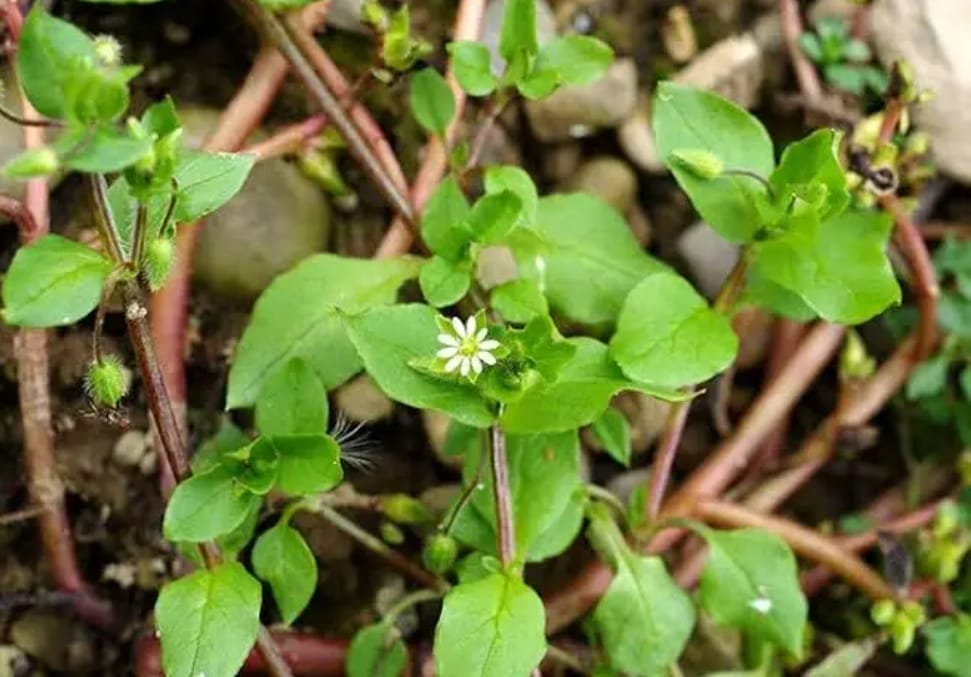
Chickweed is a cool-season annual herb known for its small white star-shaped flowers and tender green leaves. It is commonly used in traditional medicine to treat skin conditions, inflammation, and digestive issues. Chickweed is also edible and rich in vitamins A, C, iron, calcium, and magnesium.


Climate Requirements for Chickweed Cultivation
Chickweed thrives best in cool and mild climates. It grows actively during:
- Late winter
- Early spring
- Autumn
The ideal temperature range for chickweed growth is 10°C to 20°C. In hotter climates, chickweed may die back during peak summer but often reseeds itself and returns when temperatures cool down.
Chickweed prefers partial shade to full sun, especially in cooler regions. In warmer areas, partial shade helps prevent wilting.
Also Read:Turnip Cultivation: A Complete Guide for Successful Farming
Soil Requirements
One of the reasons chickweed is easy to grow is its adaptability to different soil types. However, for best results:
- Use well-drained, fertile soil
- Soil pH should be neutral to slightly alkaline (6.0–7.5)
- Enrich soil with organic compost or well-rotted manure
Chickweed grows well in garden beds, pots, containers, and even between vegetable rows as a living mulch.
Propagation and Sowing
Chickweed is usually grown from seeds.
Seed Sowing Method:
- Sow seeds directly into the soil
- Lightly scatter seeds on the soil surface
- Do not bury deeply; press gently into the soil
- Water lightly after sowing
Seeds germinate quickly, usually within 7–10 days.
Spacing:
Chickweed spreads naturally, so exact spacing is not critical. Thin seedlings if overcrowding occurs to allow good air circulation.
Watering and Irrigation
Chickweed requires consistent moisture but does not tolerate waterlogging.
- Water regularly to keep soil slightly moist
- Avoid overwatering, especially in heavy soils
- Mulching helps retain moisture and regulate soil temperature
During dry spells, increase watering frequency to prevent plants from bolting or drying out.
Also Read: Nutrient Deficiency Chart for Aquarium Plants: Symptoms, Causes, and Solutions
Nutrient Management
Chickweed is a light feeder and does not require heavy fertilization.
- Add compost before planting
- Occasional application of liquid organic fertilizer is enough
- Excess nitrogen can cause excessive leafy growth with reduced quality
Healthy soil usually provides all the nutrients chickweed needs.
Weed, Pest, and Disease Management
Chickweed is relatively pest-resistant and rarely affected by serious diseases.
Common Issues:
- Aphids may appear in warm conditions
- Root rot can occur in poorly drained soil
Control Measures:
- Improve air circulation
- Avoid overwatering
- Use neem oil or mild soap spray for aphids
- Remove affected plants if disease appears
Since chickweed grows quickly, it often outcompetes other weeds naturally.
Harvesting Chickweed
Chickweed is ready for harvest 3–5 weeks after sowing.
How to Harvest:
- Cut tender stems and leaves using scissors
- Harvest before flowering for best taste and medicinal value
- Leave some growth to allow continuous regrowth
Chickweed can be harvested multiple times in a season.
Uses of Chickweed
- Culinary: Added to salads, soups, smoothies, and pesto
- Medicinal: Used in herbal teas, poultices, salves, and oils
- Animal Feed: Nutritious feed for chickens and birds
- Soil Health: Acts as a living ground cover preventing erosion
Storage Tips
- Use fresh chickweed whenever possible
- Store in the refrigerator wrapped in a damp cloth for up to 3–4 days
- For long-term use, chickweed can be dried or infused in oil
Conclusion
Chickweed cultivation is easy, fast, and highly beneficial. With minimal effort, you can grow this versatile herb in your garden, balcony, or backyard. Its medicinal properties, edible value, and low maintenance needs make chickweed an excellent addition to any herb garden.
By providing cool temperatures, moist soil, and light care, you can enjoy fresh chickweed throughout the growing season.
Frequently Asked Questions (FAQ)
1. Is chickweed easy to grow?
Yes, chickweed is very easy to grow and suitable for beginners. It grows quickly with minimal care.
2. Can chickweed grow in pots?
Yes, chickweed grows well in containers and pots as long as there is good drainage and regular watering.
3. How long does chickweed take to grow?
Chickweed is fast-growing and can be harvested within 3–5 weeks after sowing.
4. Does chickweed need full sunlight?
Chickweed prefers partial shade but can grow in full sun in cooler climates.
5. Is chickweed edible?
Yes, chickweed is edible and commonly used in salads, soups, and herbal preparations.
6. Can chickweed grow year-round?
In mild climates, chickweed can grow most of the year. It thrives mainly in cool seasons.
7. Does chickweed require fertilizer?
Chickweed does not need heavy fertilization. Compost or organic matter is usually sufficient.
Also Read: Growing and Harvesting Bok Choy


