Cherry Tomato Cultivation
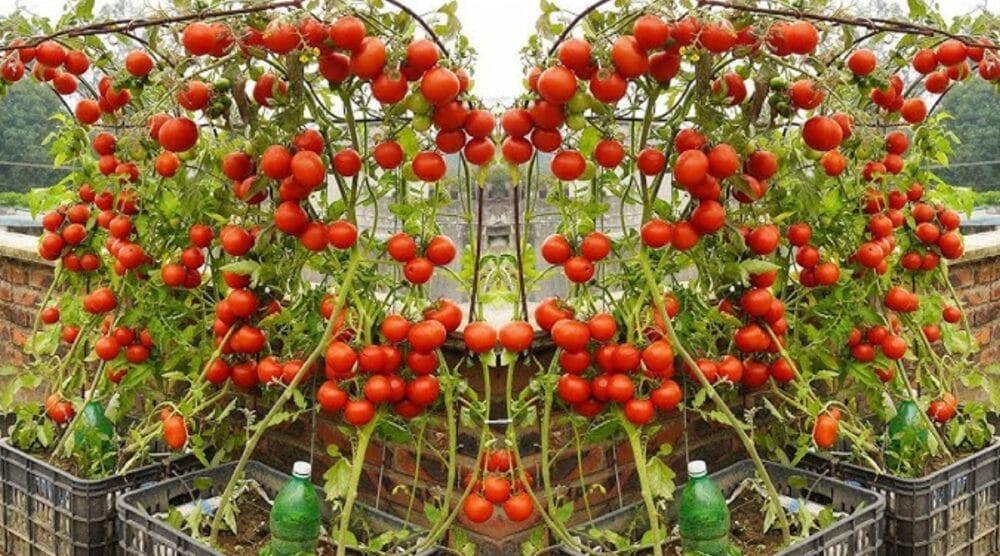
Cherry tomatoes are small, round, and sweet-flavoured tomatoes that are increasingly popular in fresh markets, salads, and gourmet cooking. Due to their high demand, short growing period, and good market price, cherry tomato cultivation has become a profitable option for farmers and home gardeners.
With proper planning, soil preparation, and crop management, growers can achieve high yields and excellent fruit quality.
Climate and Soil Requirements
Cherry tomatoes grow best in warm and moderate climates. The ideal temperature range for cultivation is 18°C to 30°C. Temperatures below 13°C or above 35°C can affect flowering and fruit setting. The crop requires good sunlight for at least 6–8 hours daily.
Well-drained, fertile loamy soil rich in organic matter is ideal. The soil pH should be between 6.0 and 6.8. Avoid waterlogged or saline soils, as they can cause root diseases and reduce yield.



Land Preparation
Prepare the land by plowing it 2–3 times to make it fine and weed-free. Add well-decomposed farmyard manure (FYM) at 20–25 tons per hectare during land preparation to improve soil fertility. Raised beds are recommended, especially in areas with heavy rainfall, as they ensure better drainage and root development.
Seed Selection and Nursery Raising
Choose high-yielding, disease-resistant hybrid varieties suitable for your region. Seeds are usually raised in nursery beds or seed trays. About 100–120 grams of seed per hectare is sufficient.
Treat seeds with fungicides or bio-agents like Trichoderma to prevent damping-off disease. Seeds germinate within 5–7 days. Seedlings are ready for transplanting in 25–30 days, when they reach a height of 10–12 cm and have 4–5 true leaves.
Transplanting and Spacing
Transplant seedlings during the evening hours to reduce transplant shock. Maintain a spacing of 60 × 45 cm or 75 × 60 cm depending on variety and growth habit. Proper spacing improves air circulation, reduces disease incidence, and ensures better fruit development.
After transplanting, irrigate the field immediately to help seedlings establish quickly.
Irrigation Management
Cherry tomatoes require regular but controlled irrigation. Water stress during flowering and fruiting can reduce yield and fruit size. Irrigate every 5–7 days in summer and 8–10 days in cooler seasons.
Drip irrigation is highly recommended as it conserves water, improves nutrient use efficiency, and reduces disease pressure. Avoid overwatering, which can cause fruit cracking and root rot.
Fertilizer Management
A balanced nutrient supply is essential for healthy growth and high yield. Apply fertilizers based on soil testing. A general recommendation per hectare is:
- Nitrogen (N): 100–120 kg
- Phosphorus (P): 60–80 kg
- Potassium (K): 60–80 kg
Apply half nitrogen and full phosphorus and potassium as basal dose. The remaining nitrogen should be applied in 2–3 split doses during flowering and fruit development. Foliar sprays of micronutrients like calcium and magnesium improve fruit quality and shelf life.
Also Read:Top 8 Micronutrient Fertilizers: Importance, Types, Benefits, and Application
Training and Pruning
Cherry tomato plants benefit greatly from staking or trellising, especially indeterminate varieties. Supporting the plants prevents fruit contact with soil, reduces disease incidence, and improves fruit quality.
Pruning side shoots and excess foliage helps direct energy towards fruit production and improves air circulation. Regular pruning also makes harvesting easier.
Weed and Pest Management
Keep the field weed-free, especially during early growth stages. Mulching with plastic or organic materials helps suppress weeds, conserve moisture, and maintain soil temperature.
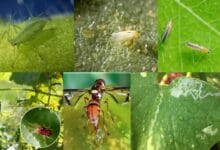
Common pests include fruit borer, whiteflies, aphids, and thrips. Use integrated pest management (IPM) practices such as pheromone traps, neem-based pesticides, and biological control agents. Major diseases include early blight, leaf curl virus, and powdery mildew, which can be controlled by crop rotation and timely fungicide application.
Also Read:Fungicide Insecticide Combination List: Top Solutions for Integrated Pest and Disease Management.
Harvesting and Yield
Cherry tomatoes are ready for harvesting 60–75 days after transplanting. Fruits should be harvested at the turning or red-ripe stage, depending on market demand. Regular harvesting encourages continuous fruiting.
Average yield ranges from 15 to 25 tons per hectare, depending on variety, season, and management practices. With greenhouse or polyhouse cultivation, yields can be significantly higher.
Marketing and Profitability
Cherry tomatoes fetch a higher market price compared to regular tomatoes due to their superior taste and use in premium dishes. They can be sold in local markets, supermarkets, hotels, and restaurants. Proper grading, packaging, and quick transportation increase market value and profit.
Frequently Asked Questions (FAQ)
Q1. How long does cherry tomato cultivation take?
Cherry tomatoes mature in about 60–75 days after transplanting.
Q2. Can cherry tomatoes be grown in pots?
Yes, cherry tomatoes grow well in pots or containers with proper drainage and sunlight.
Q3. What is the best season to grow cherry tomatoes?
They can be grown in spring-summer and autumn-winter, depending on climate and variety.
Q4. How often should cherry tomatoes be watered?
Water every 5–7 days, ensuring soil remains moist but not waterlogged.
Q5. Is cherry tomato cultivation profitable?
Yes, due to high market demand, better price, and continuous harvesting, it is a profitable crop.
Also Read:Black Grapes Health Benefits: A Natural Superfood for Better Health