5 Quick Tips for Gardening Indoors
Indoor gardening is a rewarding way to enjoy fresh greens, herbs, and even flowering plants all year round—no backyard required. Whether you live in an apartment, face harsh weather conditions, or simply want greenery inside your home, indoor gardening is an easy and enjoyable solution. With a few smart strategies, you can turn any sunny corner into a thriving mini-garden.
Here are 5 quick and effective tips for successful indoor gardening, perfect for beginners and busy plant lovers alike.
Table of Contents
1. Choose the Right Plants for Indoor Conditions
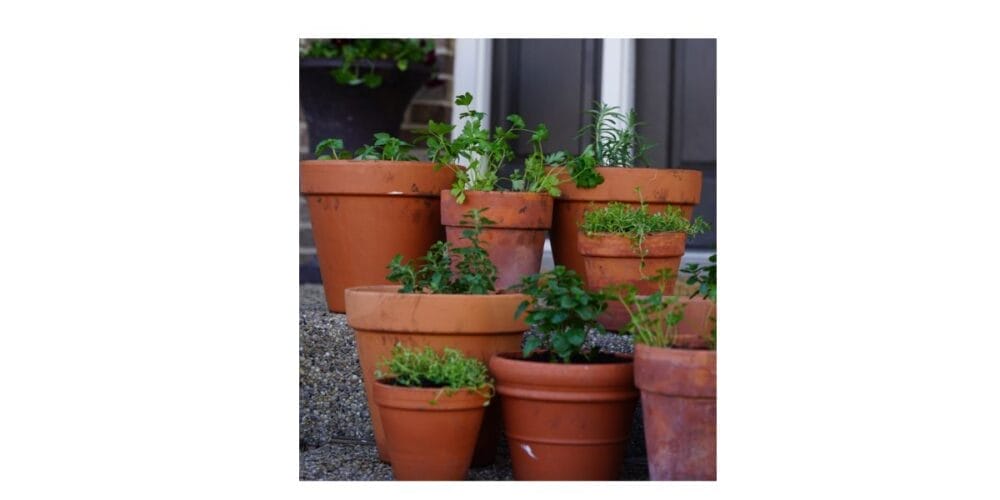
The first and most important step in indoor gardening is selecting plants that naturally thrive indoors. Not all garden plants adapt well to limited light, airflow, and space.
Best Plants for Indoor Gardening
- Herbs: Basil, mint, parsley, chives, oregano
- Leafy greens: Lettuce, spinach, microgreens
- Houseplants: Snake plant, pothos, peace lily
- Low-light plants: ZZ plant, philodendron
Start small and focus on low-maintenance plants that don’t require constant care. Herbs and leafy greens are especially ideal because they grow quickly and are useful in the kitchen.

Tip: Always check the plant’s light and watering requirements before buying.
Also Read: The Best Types of Basil to Grow in an Herb Garden
2. Make the Most of Natural and Artificial Light
Light is the backbone of healthy indoor gardening. Most indoor plants need 6–8 hours of light daily, but indoor spaces often fall short.
How to Improve Indoor Lighting
- Place plants near south- or east-facing windows
- Rotate pots weekly to ensure even growth
- Use LED grow lights for dark rooms or winter months
Grow lights are energy-efficient and mimic natural sunlight, helping plants grow strong and compact. Even a simple desk grow light can make a big difference for herbs and seedlings.
Quick Reminder: More light is usually better than more water—don’t overcompensate by watering excessively.
3. Use the Right Containers and Potting Mix
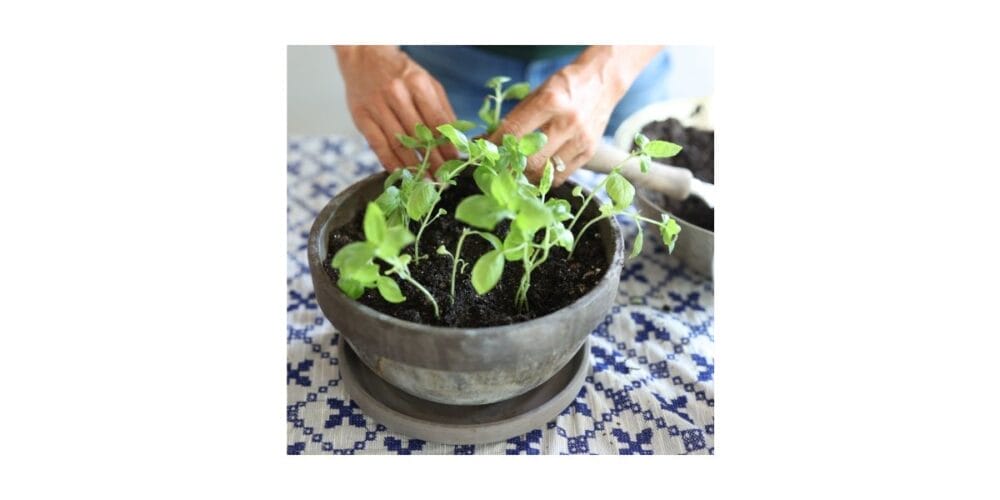
Indoor plants rely entirely on their containers, so choosing the right pot and soil is crucial.
Container Essentials
- Ensure pots have drainage holes
- Use saucers to catch excess water
- Choose pot sizes that match the plant’s root system
Best Potting Mix for Indoors
Avoid using garden soil. Instead, use a lightweight, well-draining potting mix designed for indoor plants. For herbs and vegetables, a mix containing coco peat, compost, and perlite works well.
Pro Tip: Good drainage prevents root rot, one of the most common indoor gardening problems.
Also Read: 3 Signs Your Cucumbers Are Ready to Harvest
4. Water Wisely—Less Is More Indoors
Overwatering is the number one killer of indoor plants. Unlike outdoor gardens, indoor soil dries out slowly due to limited airflow and lower evaporation.
Smart Watering Tips
- Water only when the top inch of soil feels dry
- Use room-temperature water
- Empty saucers after watering to prevent soggy roots
Different plants have different water needs—succulents prefer dry soil, while herbs enjoy consistent moisture. Observing your plants regularly is more effective than sticking to a strict schedule.
Simple Rule: When in doubt, wait another day before watering.
5. Feed and Prune for Healthy Growth
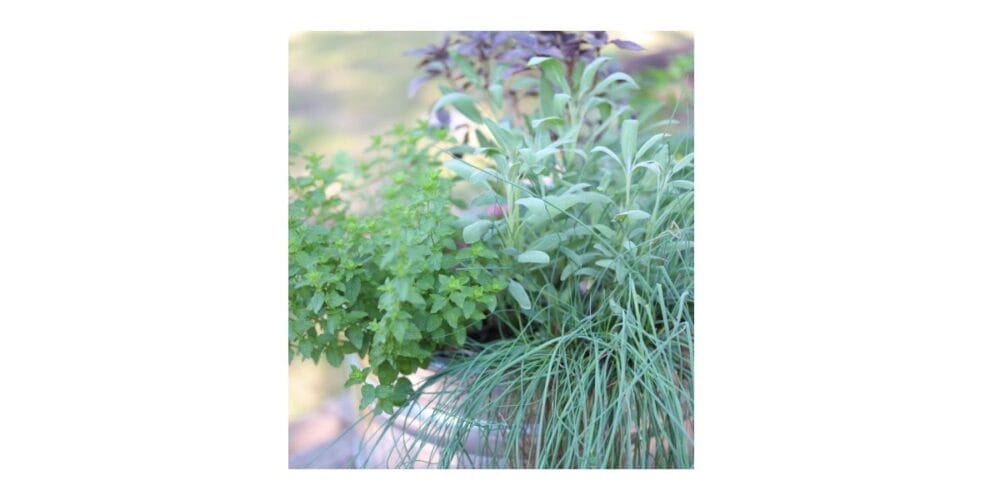
Indoor plants still need nutrients, but in smaller amounts than outdoor plants.
Fertilizing Indoors
- Use a balanced liquid fertilizer every 2–4 weeks
- Dilute fertilizer to half strength
- Avoid fertilizing during winter dormancy
Pruning and Maintenance
- Trim yellow or dead leaves regularly
- Pinch herbs to encourage bushy growth
- Clean leaves with a damp cloth to remove dust
Pruning improves air circulation and helps plants focus energy on healthy growth. For herbs like basil and mint, regular harvesting actually boosts production.
Also Read: Basics of Composting at Home: A Complete Beginner’s Guide
Bonus Tips for Indoor Gardening Success
- Group plants together to increase humidity
- Use vertical shelves or hanging planters to save space
- Keep plants away from heaters and air conditioners
- Watch for pests like aphids and fungus gnats
Final Thoughts
Indoor gardening doesn’t need to be complicated or time-consuming. By choosing the right plants, providing adequate light, using proper containers, watering carefully, and maintaining regular care, you can enjoy a lush indoor garden all year long.
Whether you’re growing fresh herbs for cooking or simply adding greenery to your living space, these 5 quick indoor gardening tips will help you build confidence and success—one plant at a time.
Also Read: About 5 Quick Tips for Gardening Indoors on gardenary.com Site