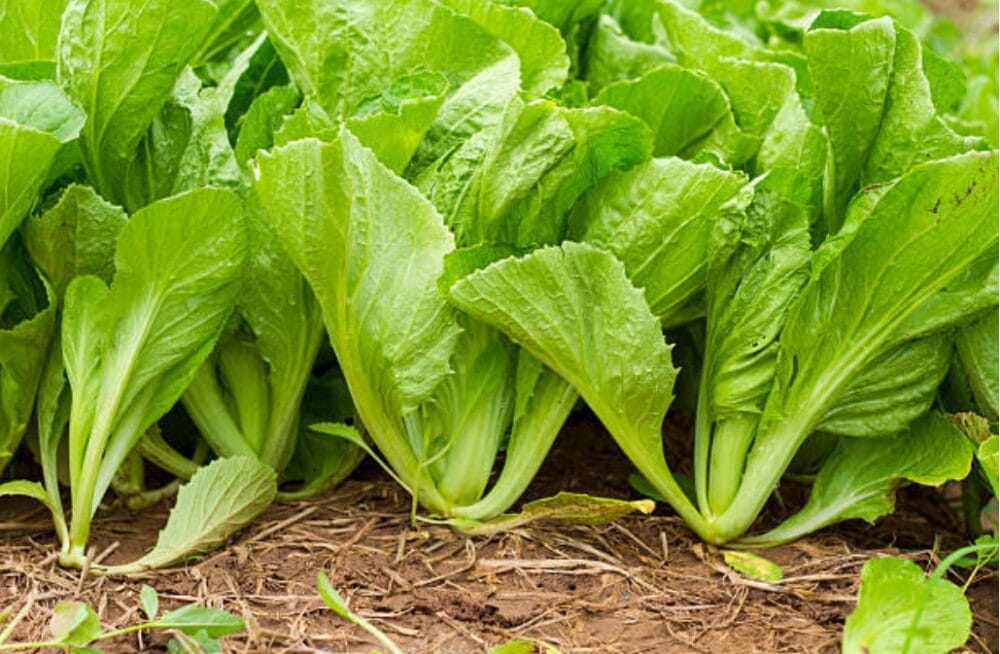
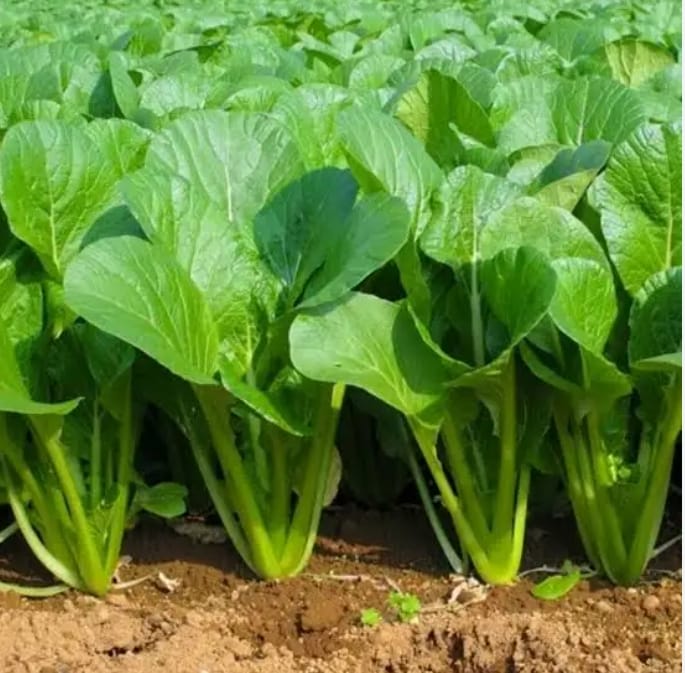
Mustard greens (Brassica juncea) are fast-growing leafy vegetables widely cultivated across India and many parts of the world. Known for their pungent flavor and high nutritional value, mustard greens are a staple in many traditional dishes.
Due to their short growing period, low input requirements, and strong market demand, mustard greens cultivation is highly profitable for both home gardeners and commercial farmers.
This guide covers everything you need to know—from climate and soil requirements to harvesting and storage.
Table of Contents
Climate and Season Requirements
Mustard greens thrive best in cool climates. The ideal temperature range for cultivation is 10°C to 25°C. Excessive heat can cause premature bolting, reducing leaf quality and yield.


In India, mustard greens are mainly grown as a rabi crop:
- North India: October to November
- South and East India: September to October
They can also be grown during mild winters and early spring in some regions.
Soil Requirements
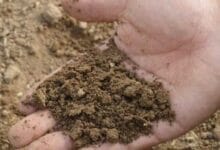
Well-drained, fertile soil is essential for successful mustard greens cultivation. The crop performs best in loamy or sandy loam soils rich in organic matter.
- Ideal soil pH: 6.0 to 7.5
- Avoid waterlogged or highly acidic soils
- Good drainage is crucial to prevent root diseases
Before sowing, plough the field 2–3 times to make the soil fine and weed-free. Incorporating well-decomposed farmyard manure (FYM) improves soil fertility and structure.
Also Read: Litchi Cultivation: Complete Guide for Successful Farming
Seed Selection and Sowing
Choose high-quality, disease-free seeds from a reliable source. Popular varieties include Pusa Green, Pusa Sag-1, and local improved varieties adapted to regional conditions.
Seed Rate
- 4–6 kg per hectare for line sowing
- 6–8 kg per hectare for broadcasting
Sowing Method
- Seeds can be sown by broadcasting or line sowing
- Maintain a spacing of 30 cm between rows and 10–15 cm between plants
- Sowing depth should not exceed 1.5–2 cm
After sowing, lightly irrigate the field to ensure proper germination.
Nutrient Management
Mustard greens are leafy vegetables and require adequate nitrogen for lush leaf growth.
Fertilizer Recommendation (per hectare)
- Farmyard manure: 20–25 tons (basal)
- Nitrogen (N): 60–80 kg
- Phosphorus (P₂O₅): 40 kg
- Potassium (K₂O): 40 kg
Apply half of nitrogen and the full dose of phosphorus and potassium at sowing. The remaining nitrogen should be applied as a top dressing 20–25 days after sowing.
Organic growers can use vermicompost, compost tea, and neem cake as alternatives.
Also Read: Nutrient Deficiency Chart for Aquarium Plants: Symptoms, Causes, and Solutions
Irrigation Management
Mustard greens require frequent but light irrigation to maintain soil moisture.
- First irrigation: Immediately after sowing
- Subsequent irrigations: Every 7–10 days, depending on soil and climate
- Avoid over-irrigation to prevent root rot and fungal diseases
Proper drainage is essential, especially during heavy rainfall.
Weed Management
Weeds compete with mustard greens for nutrients and moisture, especially during the early growth stage.
- One hand weeding at 15–20 days after sowing
- Another weeding at 30–35 days, if needed
- Mulching with dry leaves or straw helps suppress weeds and retain moisture
Pest and Disease Management
Common Pests
- Aphids
- Flea beetles
- Leaf caterpillars
Control measures include neem oil spray, soap solution, and encouraging natural predators.
Common Diseases
- Downy mildew
- White rust
- Leaf spot
Use disease-resistant varieties, crop rotation, and proper spacing to reduce disease incidence. Avoid overhead irrigation in humid conditions.
Harvesting and Yield
Mustard greens are ready for harvest 25–40 days after sowing, depending on the variety and growing conditions.
- Harvest by cutting tender leaves with a sharp knife
- Multiple cuttings are possible at 7–10 day intervals
- Harvest in the early morning for better freshness
Average Yield
- 8–12 tons per hectare under good management practices
Post-Harvest Handling and Storage
After harvesting, wash the leaves thoroughly and remove damaged or yellow leaves. Mustard greens are highly perishable and should be marketed quickly.
- Short-term storage: 0–2°C with high humidity
- Shelf life: 5–7 days under refrigeration
Proper packaging in perforated plastic bags helps maintain freshness during transport.
Conclusion
Mustard greens cultivation is an excellent choice for farmers seeking quick returns and consistent market demand. With proper climate selection, nutrient management, and timely harvesting, this leafy vegetable can provide high yields and good profits.
Whether grown in backyard gardens or commercial fields, mustard greens remain a reliable and nutritious crop for all seasons.
Frequently Asked Questions (FAQ)
Q1. How long does mustard greens take to grow?
Mustard greens mature within 25–40 days after sowing, depending on variety and climate.
Q2. Can mustard greens be grown in pots?
Yes, mustard greens grow well in containers with at least 20–25 cm depth and good drainage.
Q3. Which season is best for mustard greens cultivation?
The winter season (rabi) is best, as cool temperatures promote healthy leaf growth.
Q4. How many times can mustard greens be harvested?
You can harvest 2–3 times by cutting leaves carefully without damaging the growing point.
Q5. What causes bitterness in mustard greens?
High temperatures, water stress, and delayed harvesting can increase bitterness in leaves.
Also Read: How to Grow Mustard Greens