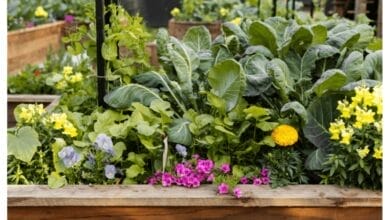
The Best Companion Plants for Dill in an Organic Kitchen Garden
Dill (Anethum graveolens) is a must-have herb in an organic kitchen garden. Known for its feathery foliage, fresh aroma, and culinary versatility, dill also plays a powerful role beyond the plate. When planted strategically, dill acts as a natural pest controller and growth enhancer for neighboring plants. This practice, known as companion planting, helps create a healthier, more balanced garden ecosystem without chemicals.
In this guide, we’ll explore the best companion plants for dill, how they benefit each other, and which plants should be kept at a distance for optimal growth.
Table of Contents
Why Companion Planting with Dill Works

Companion planting mimics nature by pairing plants that support each other’s growth. Dill is especially valuable because:
- It attracts beneficial insects like ladybugs, lacewings, and parasitic wasps
- Its strong aroma confuses and repels harmful pests
- It improves biodiversity in organic gardens
- It requires minimal care and grows quickly
By choosing the right companions, dill can boost yields, reduce pest pressure, and promote healthier soil.



Also Read: Cabbage Cultivation: A Complete Guide for Successful Farming
Best Companion Plants for Dill

1. Cabbage Family Crops (Brassicas)
Best companions: Cabbage, broccoli, cauliflower, kale, Brussels sprouts
Dill is an excellent companion for brassicas. Its flowers attract beneficial insects that prey on cabbage worms, aphids, and loopers—common pests of these crops.
Benefits:
- Natural pest control
- Reduced need for chemical sprays
- Improved brassica health
Tip: Allow some dill plants to flower to maximize insect attraction.
2. Lettuce
Lettuce and dill make an ideal pairing in a kitchen garden. Dill’s upright growth provides light shade, helping lettuce stay cool in warmer weather.
Benefits:
- Prevents bolting in lettuce
- Efficient use of garden space
- Compatible watering needs
This combination works especially well in raised beds and container gardens.
3. Cucumbers
Dill and cucumbers are not just culinary partners—they’re garden companions too. Dill attracts beneficial insects that feed on cucumber beetles and aphids.
Benefits:
- Reduced pest damage
- Enhanced pollination
- Improved cucumber yields
Plant dill near, but not directly shading, cucumber vines for best results.
Also Read: 3 Easy Steps to Plant Garlic in Your Garden
4. Onions and Garlic

Alliums such as onions, garlic, leeks, and chives pair well with dill. Their pungent scent helps repel pests, while dill attracts insects that control others.
Benefits:
- Dual pest-repellent effect
- No competition for nutrients
- Efficient use of vertical and underground space
This pairing is ideal for mixed herb-vegetable beds.
5. Asparagus
Asparagus and dill have a mutually beneficial relationship. Dill repels asparagus beetles, while asparagus helps deter spider mites that may affect dill.
Benefits:
- Natural pest suppression
- Long-term companion planting
- Improved plant resilience
This combination is perfect for perennial vegetable patches.
6. Corn
Dill grows well at the base of corn plants, where it benefits from partial shade and attracts beneficial insects to protect corn from pests.
Benefits:
- Attracts predatory insects
- Makes use of vertical space
- Improves garden diversity
Ensure dill gets enough airflow to prevent overcrowding.
7. Herbs That Pair Well with Dill
Best herb companions: Basil, cilantro, chives, chamomile
These herbs share similar growing requirements and collectively attract pollinators and beneficial insects.
Benefits:
- Enhanced flavor development
- Increased pollinator activity
- Beautiful, functional herb beds
Avoid overcrowding and allow enough spacing for air circulation.
Plants to Avoid Growing Near Dill
While dill is friendly with many plants, some should be kept at a distance:
Carrots and Other Apiaceae Crops
Dill belongs to the same family as carrots, fennel, and parsley. Planting them together can lead to cross-pollination and stunted growth.
Fennel
Fennel is known to inhibit the growth of many plants, including dill. Keep it isolated in the garden.
Tomatoes (Mature Plants)
Young dill plants can benefit tomatoes early on, but mature dill may slow tomato growth. If growing together, harvest dill early.
Also Read: How to Grow Organic Carrots in a Raised-Bed Kitchen Garden
Tips for Successful Companion Planting with Dill
- Succession sowing: Plant dill every 2–3 weeks for continuous benefits
- Let some plants flower: This attracts beneficial insects
- Mind the spacing: Dill can grow tall and airy
- Harvest regularly: Prevents overcrowding and self-seeding
Final Thoughts
Dill is more than just a flavorful herb—it’s a powerful ally in organic gardening. When paired with the right companion plants, dill helps control pests naturally, boosts crop health, and enhances overall garden productivity. Whether you’re growing brassicas, cucumbers, or leafy greens, adding dill to your kitchen garden is a smart, eco-friendly choice.
By practicing thoughtful companion planting, you can create a thriving organic kitchen garden that’s both productive and sustainable—naturally.
Also Read: About The Best Companion Plants for Dill in an Organic Kitchen Garden on gardenary.com Site