How to Cultivate Papaya
Papaya (Carica papaya) is a fast-growing, high-yielding fruit crop widely cultivated in tropical and subtropical regions of India. Due to its short gestation period, continuous fruiting, and high market demand, papaya cultivation is a profitable option for small and large farmers.
Papaya fruits are rich in vitamins A, C, and digestive enzymes, making them popular for both fresh consumption and processing. This blog explains how to cultivate papaya successfully, from soil preparation to harvesting.
Table of Contents
Climate Requirements for Papaya Cultivation
Papaya grows best in warm climates with temperatures ranging between 22°C and 35°C. Frost and extremely low temperatures can damage plants, while strong winds may break stems.
Papaya requires moderate rainfall and good sunlight for healthy growth. Waterlogging should be avoided, as papaya roots are sensitive to excess moisture.



Suitable Soil for Papaya Farming
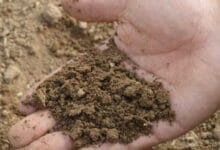
Papaya can grow in a variety of soils, but well-drained sandy loam or loamy soil is ideal. The soil pH should be between 6.0 and 6.5. Good drainage is crucial, as water stagnation leads to root rot and plant death. Before planting, the field should be ploughed deeply and leveled to ensure proper drainage.
Popular Papaya Varieties in India
Choosing the right variety is essential for better yield and disease resistance. Popular papaya varieties in India include:
- Red Lady 786
- Pusa Delicious
- Pusa Dwarf
- Coorg Honey Dew
- Arka Prabhat
- Arka Surya
Hybrid varieties generally provide higher yield and uniform fruits.
Papaya Nursery Preparation
Papaya is mostly grown through seeds. Healthy seeds should be collected from ripe fruits and washed thoroughly. Seeds are dried in shade before sowing. Nursery beds or polybags filled with fertile soil, sand, and compost are used for raising seedlings. Seeds are sown 1–2 cm deep and watered lightly. Seedlings become ready for transplanting in 30–40 days when they reach a height of 15–20 cm.

Land Preparation and Planting Method
The field should be ploughed 2–3 times and made weed-free. Pits of size 45 cm × 45 cm × 45 cm are dug at a spacing of 1.8 m × 1.8 m or 2 m × 2 m. Each pit is filled with topsoil mixed with 10–15 kg of well-decomposed farmyard manure and a small quantity of neem cake.
Transplanting is done in the early morning or evening to reduce plant stress. Usually, 2–3 seedlings are planted per pit, and later thinned to retain one healthy plant.
Also Read: Poultry Farming Business Plan: A Complete Guide for Profitable Business
Irrigation Management in Papaya Cultivation
Papaya requires regular watering, especially during the initial growth and fruiting stages. Irrigation is generally done at 7–10 day intervals, depending on soil type and climate. Drip irrigation is highly recommended as it saves water and improves yield. Over-irrigation should be avoided to prevent root diseases.
Fertilizer and Nutrient Management
Papaya is a heavy feeder and requires balanced nutrition for continuous fruiting. On average, one papaya plant requires nitrogen, phosphorus, and potassium in regular doses. Organic manure, such as farmyard manure or vermicompost, should be applied during pit preparation.
Chemical fertilizers are applied in split doses at different growth stages to ensure better absorption.
Weed Control and Intercultural Operations
Weeds compete with papaya plants for nutrients and water. Regular weeding and shallow hoeing are necessary, especially during the early stages. Mulching with dry straw or plastic mulch helps control weeds and conserve soil moisture.
Pest and Disease Management
Common pests affecting papaya include aphids, fruit flies, and red spider mites. Diseases such as papaya ringspot virus, leaf curl, powdery mildew, and root rot are also common. Using disease-free seeds, maintaining field hygiene, and adopting integrated pest management practices help reduce losses. Timely spraying of recommended pesticides and fungicides is important.
Flowering, Fruiting, and Harvesting
Papaya plants start flowering within 3–4 months after planting. Fruits mature within 8–10 months. Harvesting is done when fruits show a slight yellow color at the tip. Fruits should be harvested carefully to avoid damage. A well-managed papaya plantation can produce fruits continuously for 2–3 years.
Also Read:Vermicompost Business Plan: A Profitable Organic Farming Opportunity
Yield and Profitability
Under good management, papaya yields 40–60 tons per hectare. Hybrid varieties can produce even higher yields. Due to early harvesting and continuous production, papaya farming offers quick returns and good profitability.
Frequently Asked Questions (FAQ)
Q1. How long does papaya take to grow?
Papaya starts bearing fruits within 8–10 months after planting.
Q2. Which season is best for papaya cultivation?
Papaya can be planted in spring, monsoon, or autumn, depending on local climate.
Q3. Can papaya be grown in pots?
Yes, dwarf varieties of papaya can be grown in large containers with proper care.
Q4. How many times should papaya be watered?
Papaya needs regular watering, usually every 7–10 days.
Q5. What is the average yield of papaya per plant?
A healthy papaya plant can produce 30–60 fruits per year.
Q6. Is papaya cultivation profitable?
Yes, papaya cultivation is highly profitable due to its fast growth and high market demand.
Also Read:Papaya Cultivation Practices For A Bountiful Harvest