Dhania Coriander: The Everyday Herb With an Ancient Story, Powerful Nutrition & Global Fame!

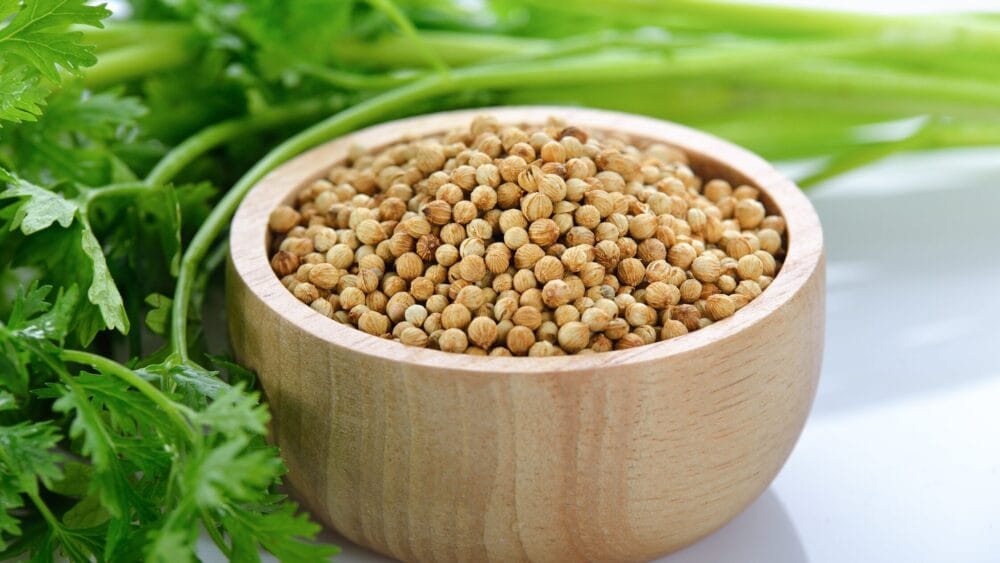
Walk into almost any Indian kitchen, and you’ll find Dhania Coriander —fresh, fragrant, and indispensable. But beyond being a simple garnish, coriander is one of the oldest cultivated herbs in human history, carrying stories of ancient civilisations, healing traditions, and global trade.
Loved as fresh leaves, trusted as aromatic seeds, and respected in rituals, dhania quietly connects food, culture, and wellness.
Table of Contents
Where Dhania Coriander Comes From: A Journey Back in Time
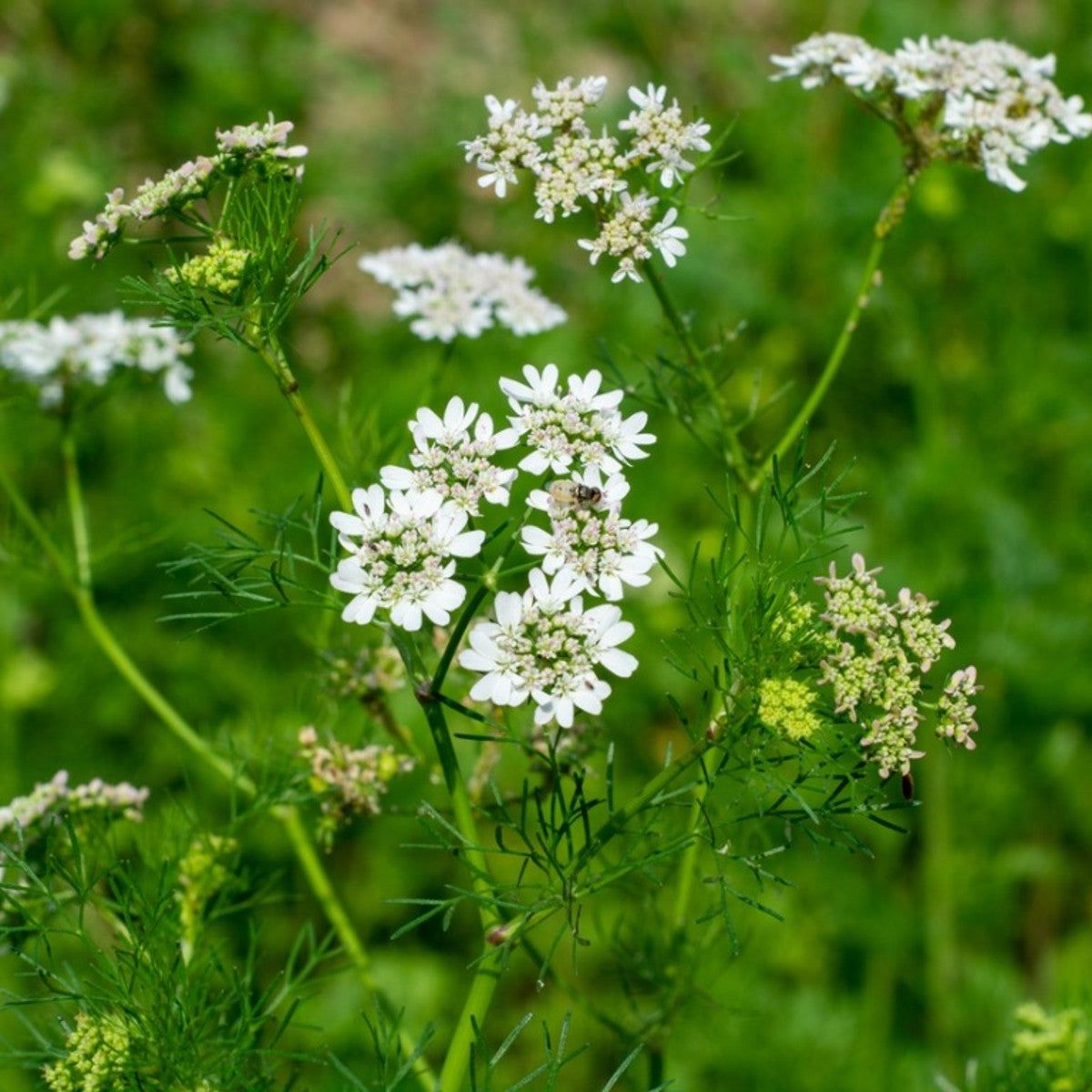
Coriander (Coriandrum sativum) traces its roots to the eastern Mediterranean and Western Asia. Archaeological records reveal coriander seeds found in Egyptian tombs dating back over 3,000 years—proof that ancient people valued it enough to carry it into the afterlife.
Ancient Greeks and Romans used coriander for cooking, medicine, and even food preservation. It also appears in Sanskrit texts and Ayurvedic literature, showing its early acceptance in the Indian subcontinent. Over time, traders and travellers helped coriander spread across Europe, Asia, and later the Americas.

Early Adoption: How Dhania Coriander Went Global
Coriander was among the first spices to travel international trade routes, including the Silk Road. Romans introduced it to large parts of Europe, while Arab traders carried it eastward.
When coriander reached India, it found a permanent home. Indian cuisine embraced both its leaves and seeds, weaving dhania into curries, chutneys, masalas, and daily cooking. European colonisation later introduced coriander to Latin America, where it became known as cilantro and became a staple of Mexican and Caribbean dishes.
Today, coriander is grown on nearly every continent.
Difference Between Dhania and Coriander (Simple & Clear)
There is no real difference in the plant—the difference is mainly in language, usage, and form. Here’s how people commonly distinguish them:
Dhania vs Coriander: At a Glance
| Aspect | Dhania | Coriander |
|---|---|---|
| Common Usage | Indian term | English/global term |
| Language Origin | Hindi & regional Indian languages | English |
| Refers To | Leaves, seeds, or powder (context-based) | Plant, leaves, or seeds |
| Kitchen Use | Indian cooking & masalas | Global cuisines |
| Pronunciation | Dha-nee-ya | Kor-ee-an-der |
What Is Dhania?
Dhania is the name used in India for the same plant known internationally as coriander.
- Hara Dhania → Fresh green leaves (used for garnish & chutneys)
- Sukha Dhania → Dried seeds
- Dhania Powder → Ground coriander seeds
In Indian households, the word dhania usually depends on context—when someone says “add dhania,” they often mean fresh leaves, unless specified otherwise.
What Is Coriander?
Coriander is the English name for the plant Coriandrum sativum.
- Coriander leaves = Fresh greens
- Coriander seeds = Dried spice
- Ground coriander = Coriander powder
In many Western countries:
- The leaves are sometimes called cilantro
- The seeds are called coriander
Botanical Truth (No Confusion Here)
Botanically, dhania and coriander are the same plant:
- Scientific name: Coriandrum sativum
- Same taste profile
- Same nutritional benefits
- Same medicinal properties
The difference exists only in naming and cultural usage, not in the herb itself.
Nutritional Powerhouse in a Small Leaf
Dhaniya isn’t just about flavour—it’s packed with nutrition.
Fresh Coriander Leaves Offer Benefits:
- Vitamin C for immunity
- Vitamin K for bone strength
- Vitamin A for eye and skin health
- Natural antioxidants that fight inflammation
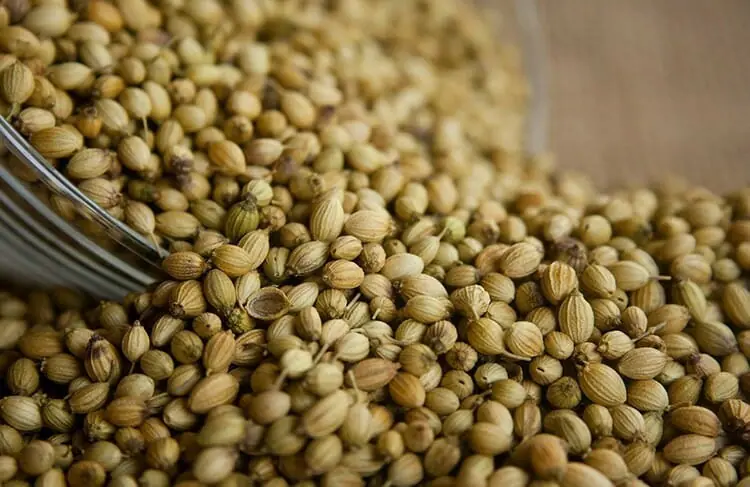
Coriander Seeds Contain:
- High dietary fiber for digestion
- Iron, magnesium, and calcium
- Essential oils like linalool, known for calming digestion
In Ayurveda, coriander is prized for its cooling properties and is often recommended for relieving acidity, improving digestion, supporting detoxification, and balancing blood sugar. Coriander water remains a popular home remedy across India.
Cultural, Religious & Traditional Importance
Dhania Coriander goes beyond food—it holds symbolic value.
In many Indian households, coriander seeds are used in religious offerings and rituals, believed to bring purity and prosperity. Traditional spice grinding using coriander seeds is still practised in rural homes, preserving culinary heritage.
Folk medicine across South Asia uses coriander in remedies passed down through generations, reinforcing its role as both food and medicine.
Popular and Well-Known Coriander Varieties
Different regions grow coriander for either leaf production or seed quality.
Popular Indian Varieties:
- CO-4 & CO-5 – Excellent for lush green leaves
- Gujarat Coriander-2 (GC-2) – High seed yield
- Rajendra Swati – Aromatic and adaptable
- Sadhana & Suguna – Disease-resistant, farmer-friendly
Each variety is selected based on aroma, oil content, yield, and climate suitability.
Also Read: Fruits Having Vitamin D: A Natural Boost for Health
Which Country Produces the Most Coriander?
India is the world’s largest producer of coriander, accounting for the majority of the global supply. States like Rajasthan, Madhya Pradesh, Gujarat, and Andhra Pradesh lead production due to a favourable climate and strong domestic demand.
Other notable producers include:
- Russia
- Morocco
- China
Who Consumes the Most Coriander?
India is also the largest consumer, with coriander used daily in almost every cuisine style.
Other major consumers include:
- Mexico – Fresh cilantro in salsas
- Thailand – Essential in soups and curries
- China – Popular in broths and stir-fries
- United States – Rising demand due to global food trends
Final Takeaway: Why Dhaniya Will Never Go Out of Style
From ancient tombs to modern kitchens, dhaniya has stood the test of time. Its rich history, health benefits, cultural roots, and unmatched versatility make it one of the world’s most loved herbs.
Whether sprinkled fresh over a curry, roasted into a spice blend, or sipped as coriander water, this everyday herb quietly proves that the simplest ingredients often hold the most incredible power.
Also Read: Coriandrum Sativum/Coriander/Dhanyaka