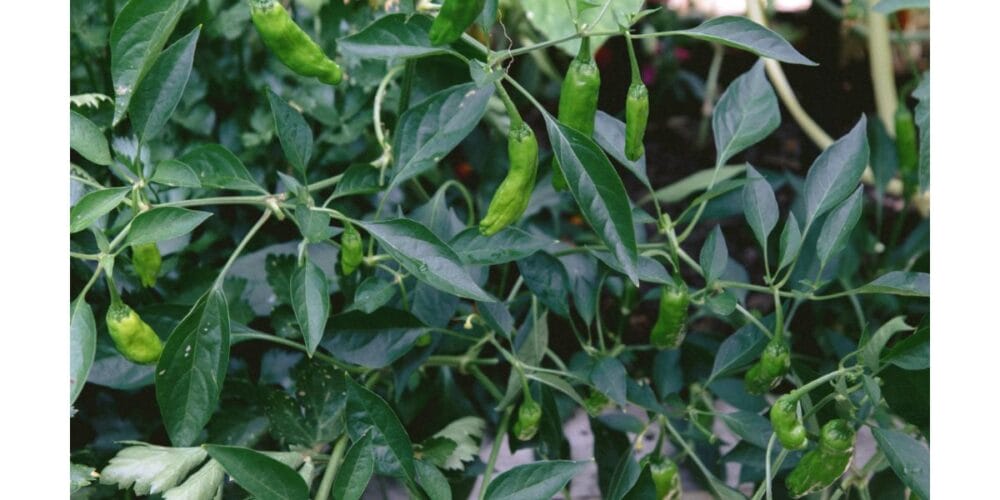
How to Grow Shishito Peppers
Shishito peppers are mild, slightly sweet Japanese peppers that have become a favorite in kitchen gardens worldwide. Known for their thin skin, quick cooking time, and occasional spicy surprise, shishitos are easy to grow and incredibly rewarding. Whether you’re gardening in containers, raised beds, or open soil, this guide will walk you through how to grow shishito peppers successfully from seed to harvest.
Table of Contents
What Are Shishito Peppers?
Shishito peppers (Capsicum annuum) are small, wrinkled green peppers traditionally used in Japanese cooking. Most are mild, but about 1 in 10 peppers can be spicy, which adds to their charm. Plants are compact, productive, and perfect for home gardens.
Why grow shishito peppers?
- High yields from a single plant
- Mild flavor with occasional heat
- Ideal for stir-fries, roasting, and grilling
- Great for container gardening
Best Climate and Growing Conditions
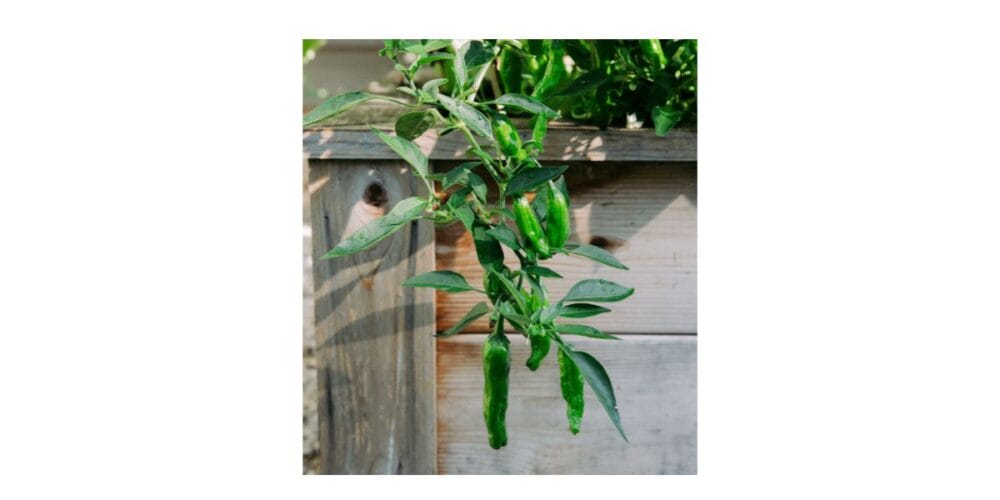
Shishito peppers thrive in warm weather, similar to other pepper varieties.
- Temperature: 20–32°C (68–90°F)
- Sunlight: Full sun (6–8 hours daily)
- Frost: Very sensitive; plant only after frost danger has passed
In cooler regions, start seeds indoors to give plants a head start.
How to Grow Shishito Peppers from Seed
Starting from seed is economical and gives you more variety options.
Seed Starting Tips
- Start seeds 8–10 weeks before last frost
- Use seed trays with well-draining potting mix
- Sow seeds 0.5 cm deep
- Keep soil warm (25–30°C) for faster germination
- Germination takes 7–14 days
Once seedlings have 4–6 true leaves, they are ready for transplanting.
Also Read: Top 10 Health Benefits of Capsicum (Bell Pepper)
Transplanting Shishito Pepper Plants
Transplant seedlings outdoors when:
- Night temperatures stay above 15°C
- Plants are 12–15 cm tall
Spacing
- Space plants 30–45 cm apart
- Rows should be 60 cm apart
Water well after transplanting and mulch to retain moisture.
Soil Preparation and Fertilization
Healthy soil is key to productive pepper plants.
Ideal Soil
- Loose, well-draining soil
- Rich in organic matter
- pH between 6.0 and 6.8
Fertilization Schedule
- Mix compost or well-rotted manure before planting
- Apply a balanced organic fertilizer (NPK 5-5-5) at planting
- Side-dress with compost or liquid fertilizer every 3–4 weeks
Avoid excess nitrogen, which causes leafy growth but fewer fruits.
Watering and Care
Shishito peppers prefer consistent moisture.
- Water deeply 2–3 times per week
- Avoid waterlogging
- Mulch to reduce evaporation and weeds
Stress from irregular watering can cause flower drop or bitter fruits.
Supporting and Pruning Plants
Although shishito plants are compact, they can become heavy with fruit.
- Use small stakes or cages for support
- Light pruning improves air circulation
- Remove lower leaves touching the soil
Pruning is optional but helps prevent disease in humid climates.
Also Read: How to Grow Your Own Organic Swiss Chard from Seed
Common Pests and Diseases
Shishito peppers are generally hardy but can face common garden pests.
Common Pests
- Aphids
- Spider mites
- Whiteflies
Organic control: Neem oil, insecticidal soap, or companion planting with basil and marigolds.
Diseases
- Root rot (from overwatering)
- Leaf spot
- Powdery mildew
Good airflow, proper spacing, and healthy soil reduce disease risk.
When and How to Harvest Shishito Peppers
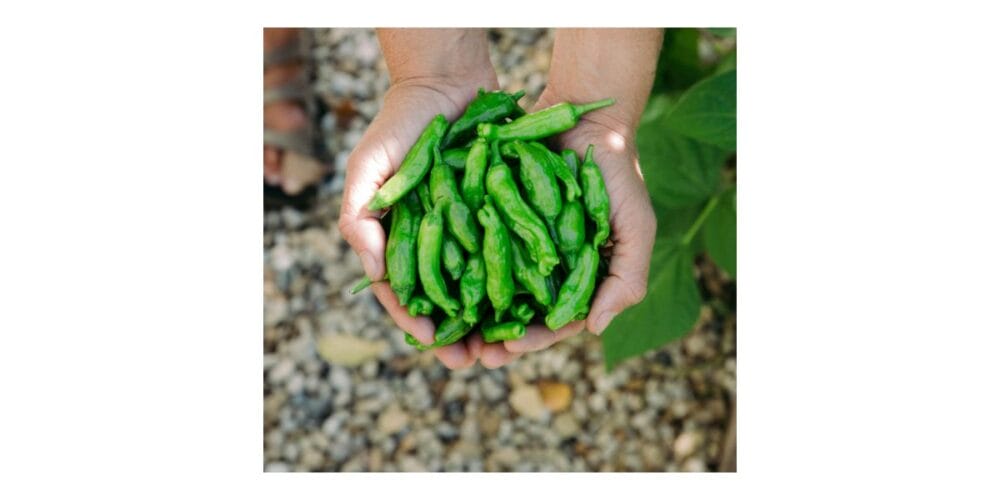
Shishito peppers mature quickly—60–75 days after transplanting.
Harvest Tips
- Pick peppers when they are 7–10 cm long
- Harvest while green for best flavor
- Use scissors to avoid damaging the plant
- Frequent harvesting encourages more production
Peppers can turn red if left longer, but green shishitos are preferred for cooking.
Growing Shishito Peppers in Containers
Shishito peppers are excellent for patios and balconies.
- Use containers at least 10–12 inches deep
- Ensure good drainage
- Use high-quality potting mix
- Water more frequently than in-ground plants
One plant per pot is ideal.
Also Read: What to Plant in July in Your Kitchen Garden
Frequently Asked Questions (FAQs)
Are shishito peppers spicy?
Most are mild, but about 10% can be hot.
Can shishito peppers grow indoors?
Yes, with strong sunlight or grow lights.
How many peppers does one plant produce?
A healthy plant can produce 20–40 peppers per season.
Do shishito peppers need full sun?
Yes, full sun is essential for good yields.
Final Thoughts
Growing shishito peppers is simple, even for beginner gardeners. With warm temperatures, proper sunlight, and consistent care, these productive plants will reward you with a steady harvest of flavorful peppers. Whether you grow them in containers or garden beds, shishitos are a must-have for anyone who loves easy-to-grow, gourmet vegetables.
If you’re looking for a pepper that’s low-maintenance, fast-growing, and fun to eat—shishito peppers are a perfect choice
Also Read: About How to Grow Shishito Peppers on gardenary.com Site