
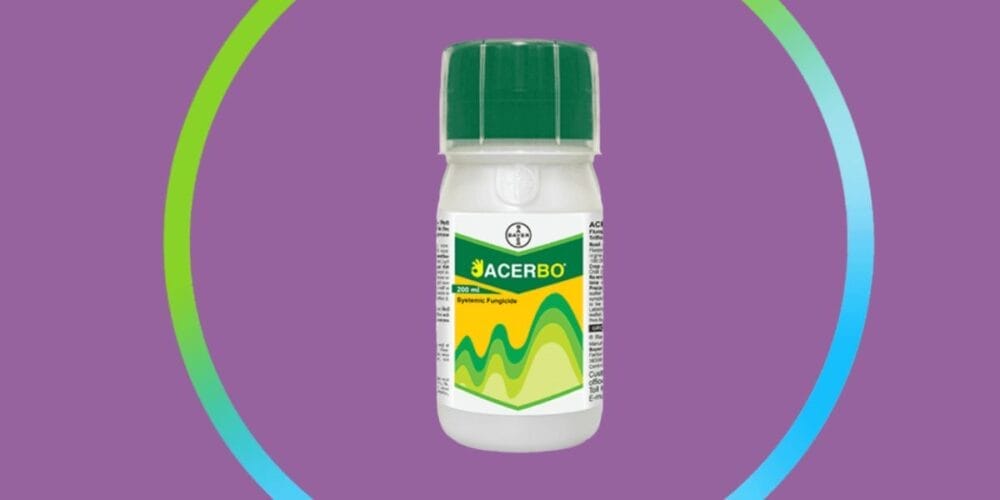
Introduction of Bayer Acerbo Fungicide
Plant diseases are among the biggest challenges farmers face, often reducing crop quality and overall yield. Fungal infections such as powdery mildew, leaf spots, and rust can spread quickly, especially under humid and wet conditions. To help farmers combat these diseases effectively, Bayer has developed a highly reliable solution — Acerbo Fungicide. Known for its strong protective action and long-lasting efficacy, Acerbo has become a preferred choice among growers across various crops.
In this blog, we will explore everything you need to know about Bayer Acerbo Fungicide, including its mode of action, key benefits, recommended crops, application guidelines, compatible products, and frequently asked questions.
Table of Contents
What Is Bayer Acerbo Fungicide?
Bayer Acerbo Fungicide is a broad-spectrum preventive and curative crop protection product designed to control several fungal diseases that affect crops. Built with innovative chemistry and Bayer’s research excellence, Acerbo provides strong contact and systemic action. This means it not only forms a protective layer on the plant surface but also moves within plant tissues to stop fungal growth from the inside.
Designed for fast action, Acerbo works at multiple growth stages of the pathogen, ensuring comprehensive control. It is suitable for use in vegetables, fruit crops, cereals, and plantation crops.
How Does Acerbo Fungicide Work?
Acerbo Fungicide works through a dual-action mechanism:
- Contact Action: Forms a preventive barrier on the leaf surface, preventing fungal spores from germinating.
- Systemic Action: Gets absorbed into plant tissue to stop fungal growth and spread within the plant.
This unique dual protection ensures longer-lasting efficacy and reduces reinfection risk.
Also Read: Bayer Nativo Fungicide: A Powerful Solution for Crop Protection
Key Benefits of Using Bayer Acerbo Fungicide
Broad-spectrum disease control
Dual-mode (Contact + Systemic) action
Faster and long-lasting protection
Improves plant vigor and productivity
Rainfast formulation helps retain efficacy even after rainfall
Safe when used as per recommended dose and intervals
Acerbo’s advanced formulation helps ensure better absorption and uniform coverage, making it highly effective even in challenging field conditions.
Recommended Crops and Target Diseases
Bayer Acerbo Fungicide is suitable for a wide range of crops, including:
| Crop Category | Target Diseases |
| Vegetables (Tomato, Chili, Potato, Onion) | Early blight, late blight, powdery mildew, leaf spots |
| Fruits (Grapes, Mango, Banana, Citrus) | Anthracnose, powdery mildew, downy mildew |
| Cereals (Wheat, Paddy) | Rusts, smuts, leaf spot, blast |
| Plantation Crops (Tea, Coffee) | Leaf blight, scabs, mildew |
Note: Disease spectrum may vary based on local recommendations.
Also Read: Bayer Ambition – Best Biostimulant, and Boost Crop Efficiency Naturally.
Application Dosage and Method
While the exact dose may vary depending on crop stage and infection level, a general recommended dose is:
- Dose: 1.0–1.5 ml per liter of water
- Spray Interval: 10–14 days or as advised by agronomists
- Time of Application: For best results, apply at the first visible signs of disease or before favorable infection conditions.
Always ensure full leaf coverage, especially on the lower leaf surface where fungal spores are often present.
Best Practices for Application
To maximize the effectiveness of Bayer Acerbo Fungicide, follow these usage tips:
- Spray during cooler hours (morning or evening)
- Use clean water and properly calibrated spraying equipment
- Avoid spraying before rainfall to prevent wash-off—unless using rainfast formulation
- Do not mix with strong alkaline pesticides unless label instructions allow
- Rotate with other fungicide groups to prevent resistance development
Compatibility With Other Products
Acerbo Fungicide is generally compatible with many pesticides and foliar fertilizers. However, performing a jar test before mixing with other products is recommended. Crop advisers or Bayer technical teams can provide region-specific compatibility guidelines.
Alternatives and Supporting Fungicides
If growers require rotation or resistance management, the following products may be used in combination or alternation (based on crop needs):
- Nativo Fungicide
- Luna Experience
- Antracol Fungicide
- Flint Fungicide
Using fungicides with different modes of action is essential to avoid resistance and maintain long-term crop protection.
Also Read: Bayer has introduced Felujit fungicide in India best for sheath blight of Paddy!
Frequently Asked Questions (FAQs)
Q1: Can Acerbo be used during flowering stages?
Yes, it can be used, but always follow label instructions or consult a crop specialist.
Q2: How soon can I see results after spraying?
Visible improvements often show within 3–5 days, depending on disease severity.
Q3: Is Acerbo safe for beneficial insects?
Acerbo is safe when used responsibly and according to recommended guidelines.
Q4: Can I store mixed solution for later use?
No. Always prepare a fresh solution for best results.
Final Opinion
Bayer Acerbo Fungicide is a trusted and effective solution for managing fungal diseases across multiple crops. Its strong systemic and protective action helps farmers safeguard yield potential and improve crop health. With proper application and resistance management practices, Acerbo can be a valuable tool in modern crop protection programs.
Whether you are growing vegetables, fruits, cereals, or plantation crops, adding Bayer Acerbo Fungicide to your disease management strategy can support healthier plants and higher productivity.
Also Read: About Bayer Acerbo Fungicide on BAYER Site
Bayer Acerbo Fungicide Review
Product Cost
Compatibility
Availability
Aggregate Customer Score
Overall Rating: Excellent
-

-

-

-

-
-
-

-

-

-

-

-
-
-
-
-

-

-
-

-

-

-
-
-
-
-
-

-
-

-
-
-
-
-

-
-

-
-

-

-

-
-

-
-

-
-

-

-

-

-

