Bayer Decis® 100 Insecticide: A Powerful Solution for Effective Pest Control

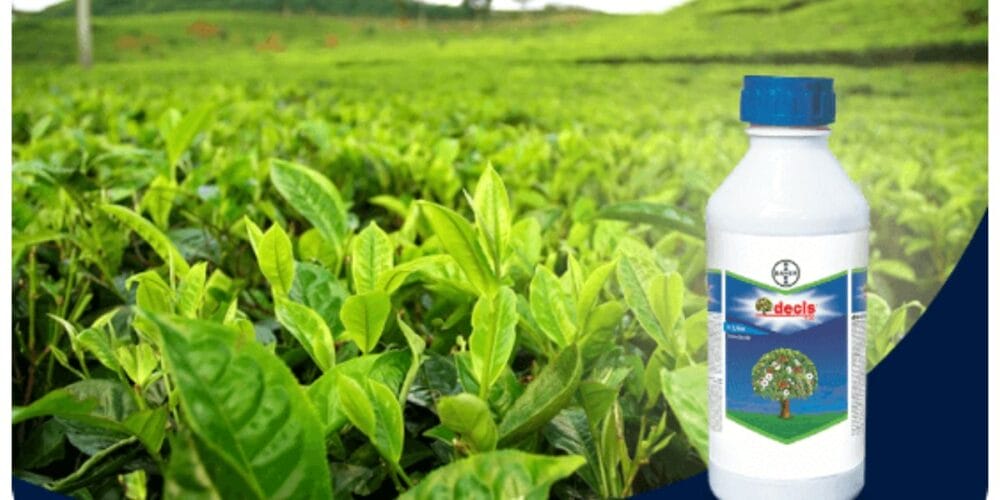
Introduction of Bayer Decis® 100 Insecticide
Farmers today face increasing challenges due to insect pests that reduce yield, damage crop quality, and cause economic losses. To protect crops and ensure maximum productivity, choosing a reliable insecticide is essential. Bayer Decis® 100 is one of the most trusted insecticides used across India for the control of a wide range of harmful pests. It is known for its quick knockdown action, long-lasting protection, and superior performance.
In this detailed guide, we will discuss the technical name, content, recommended dose per litre and per acre, uses, benefits, and application guidelines of Bayer Decis® 100 Insecticide.
Table of Contents
What Is Bayer Decis® 100 Insecticide?
Bayer Decis® 100 is a synthetic pyrethroid insecticide developed for strong and fast control of major insect pests in different crops. It is a contact and stomach-acting insecticide that works efficiently even at low doses, making it cost-effective and farmer-friendly.
Decis® 100 Technical Name
The technical name of Bayer Decis® 100 is:
Deltamethrin 11% w/w EC (Equivalent to Deltamethrin 100 g/L EC)
Deltamethrin is a broad-spectrum synthetic pyrethroid insecticide known for its rapid knockdown action and effectiveness against both sucking and chewing pests.
Decis® 100 Insecticide Content
Bayer Decis® 100 contains:
- Active Ingredient: Deltamethrin 11% w/w (100 g/L)
- Formulation Type: EC (Emulsifiable Concentrate)
This formulation ensures good solubility, easy mixing, and high effectiveness in field conditions.
Also Read: Bayer Confidor® Insecticide: A Complete Guide for Farmers
Bayer Decis 100 Dose for Crops
The dosage of Decis 100 varies slightly depending on the crop and pest, but general recommendations are widely followed by farmers.
Decis 100 Dose Per Litre
- Dose: 0.25 ml to 0.5 ml per litre of water
This low dose is sufficient due to the high potency of deltamethrin against insects.
Decis 100 Dose Per Acre
- Recommended Dose: 20 ml to 50 ml per acre, depending on pest severity.
Since the formulation is highly concentrated, even a small amount offers excellent control.
Major Pests Controlled by Bayer Decis® 100
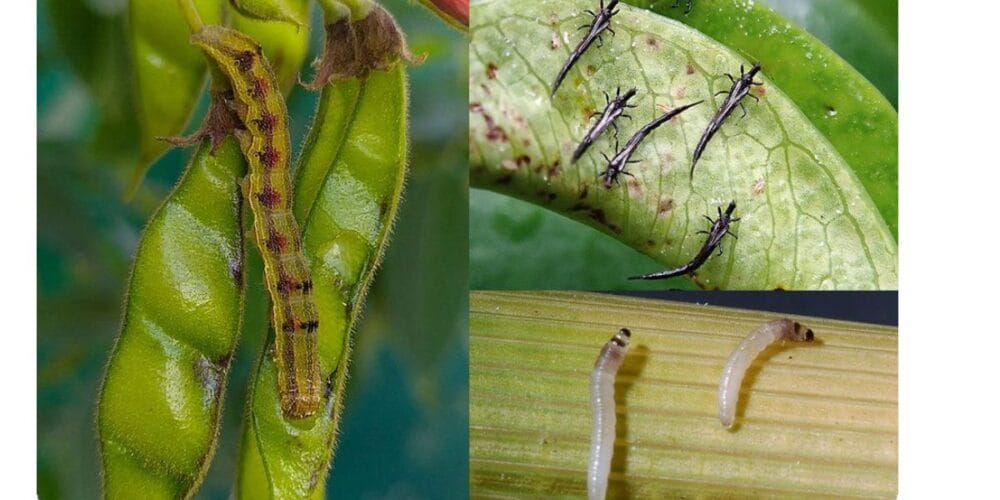
Bayer Decis 100 provides effective control of:
- Whiteflies
- Jassids
- Thrips
- Aphids
- Leaf folders
- Stem borers
- Fruit borer
- Pod borer
- Helicoverpa
- Shoot fly
- Cutworms
- Caterpillars in various crops
Because of its quick killing action, it prevents further damage and protects plants during critical growth stages.
Also Read: Bayer Solomon Insecticide: A Comprehensive Guide for Farmers
Decis® 100 Insecticide Uses (Crop-wise)
1. Cotton
- Controls jassids, whiteflies, thrips, bollworms.
- Helps maintain leaf health and boost cotton yield.
2. Vegetables (Tomato, Brinjal, Okra, Chilli)
- Strong action against fruit borer, shoot borer, aphids, whiteflies, thrips.
- Enhances fruit quality and market value.
3. Paddy (Rice)
- Controls stem borer, leaf folder, whorl maggot.
- Ensures healthy tillering and better grain formation.
4. Pulses (Red Gram, Green Gram, Black Gram)
- Effective on pod borer, caterpillars, aphids.
5. Oilseeds (Mustard, Groundnut, Soybean)
- Protects from sucking pests and defoliators.
6. Horticulture Crops
- Used in grapes, mango, citrus, and pomegranate for controlling various sucking pests.
Decis 100 is known for its versatility and can be used in many crops depending on local agricultural recommendations.
How Bayer Decis® 100 Works
Deltamethrin affects the insect’s nervous system by altering sodium channel function. This causes:
- paralysis,
- quick knockdown,
- death within a short period.
Because it acts both on contact and ingestion, pests die quickly after application even at lower doses.
Also Read: Bayer Confidor® Super Insecticide – A Complete Farmer’s Guide
Benefits of Bayer Decis® 100 Insecticide
1. Quick Knockdown Effect
Within minutes of application, Decis 100 begins to act on pests, providing immediate relief.
2. Broad-Spectrum Protection
It controls both chewing and sucking pests in a variety of crops.
3. Works at Very Low Doses
Due to its powerful formulation, only a small quantity is needed per litre or per acre.
4. Long-Lasting Protection
Provides extended protection, reducing the need for frequent sprays.
5. Safe for Crops
When used at recommended doses, it is safe for most crops and does not cause phytotoxicity.
6. Cost-Effective
Lower dose requirement means lower spray cost and maximum efficiency.
7. Suitable for IPM
Because of its effectiveness and low dosage, it supports Integrated Pest Management programs.
How to Use Bayer Decis® 100 Insecticide
- Mixing:
Add the recommended Decis 100 dose into water under constant stirring. Prepare a uniform solution. - Spraying:
Apply using a knapsack sprayer/ power sprayer/ battery sprayer ensuring full coverage on the leaves, stems, and growing points. - Timing:
Spray during early pest infestation for best results. Avoid spraying during strong winds or rain. - Safety Precautions:
- Wear gloves and mask.
- Avoid eating or smoking during application.
- Wash hands and sprayer after use.
- Wear gloves and mask.
Final Opinion
Bayer Decis® 100 is an excellent choice for farmers looking for a fast-acting, reliable, and economical insecticide for a variety of crops. Its powerful deltamethrin formulation, low dose requirement, and broad pest control ability make it one of the most trusted insecticides in Indian agriculture. Whether you grow cotton, vegetables, pulses, or cereals, Decis 100 ensures superior protection and increased productivity.
If you need a dependable insecticide that delivers consistent performance across diverse conditions, Bayer Decis® 100 remains a top recommendation.
Also Read: About Decis® 100 Insecticide On BAYER Site