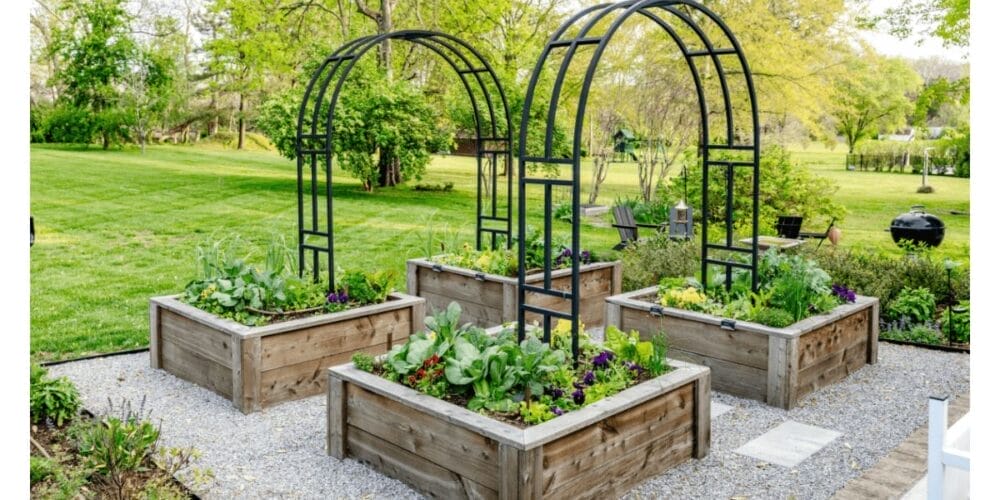
Introduction of Complete Guide to Starting a Garden
Starting a garden is one of the most rewarding hobbies you can take up. Whether you dream of growing fresh vegetables, fragrant flowers, or lush green plants, gardening connects you with nature and brings peace, productivity, and beauty into your life. For beginners, however, gardening can seem overwhelming. This complete guide to starting a garden will walk you through every step—from planning and soil preparation to planting and maintenance—so you can grow a healthy, thriving garden with confidence.
Table of Contents
Why Start a Garden?
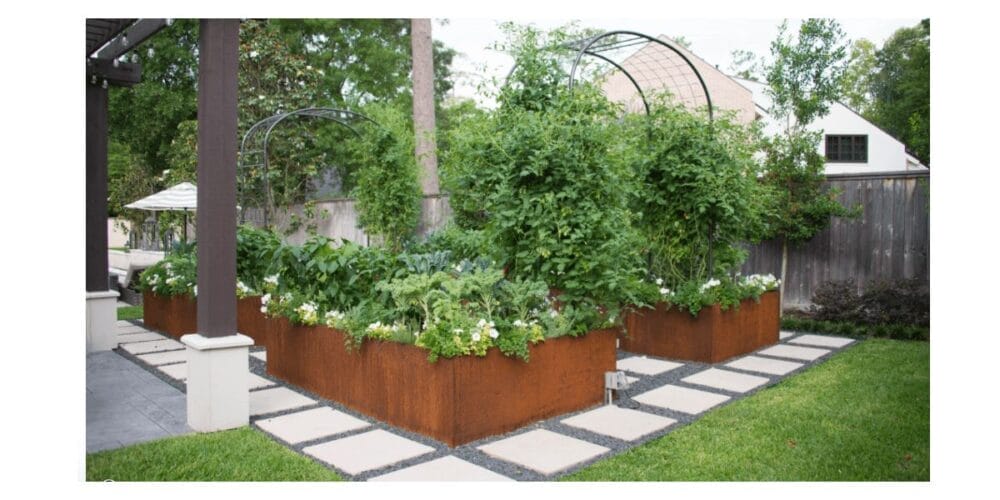
Gardening offers multiple benefits beyond just growing plants:
- Fresh and healthy produce at your doorstep
- Cost savings on vegetables and herbs
- Improved mental well-being and stress relief
- Better physical activity through daily care
- Eco-friendly living by reducing food miles
Whether you have a backyard, terrace, balcony, or even a sunny window, you can start a garden almost anywhere.
Step 1: Decide the Type of Garden
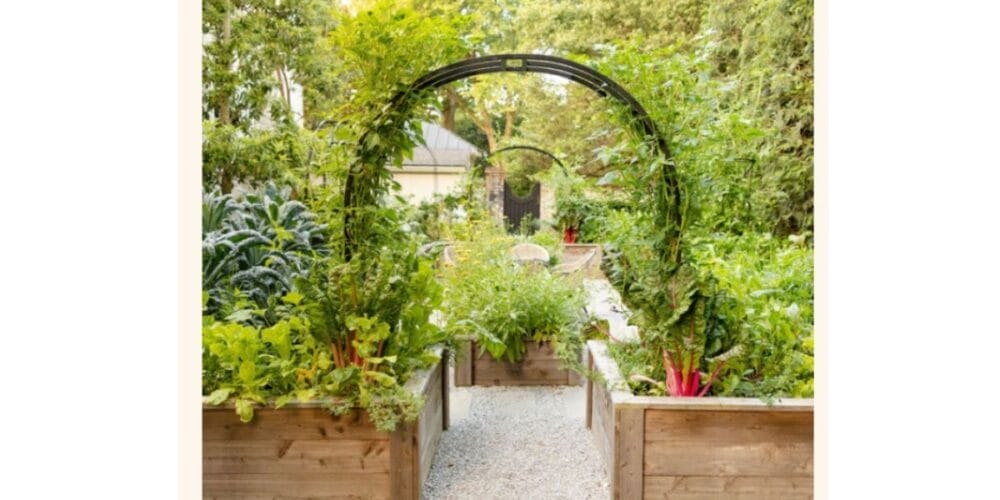
Before you begin, decide what kind of garden you want to grow. Your choice will depend on space, time, and interest.


Common Types of Gardens:
- Vegetable Garden: Tomatoes, spinach, okra, chilies, beans
- Herb Garden: Coriander, mint, basil, curry leaves
- Flower Garden: Roses, marigolds, petunias, zinnias
- Container Garden: Ideal for balconies and terraces
- Kitchen Garden: Combination of vegetables and herbs
For beginners, container gardening is often the easiest and most manageable option.
Also Read: A Guide to Planting Bougainvillea: Tips for a Vibrant Garden
Step 2: Choose the Right Location
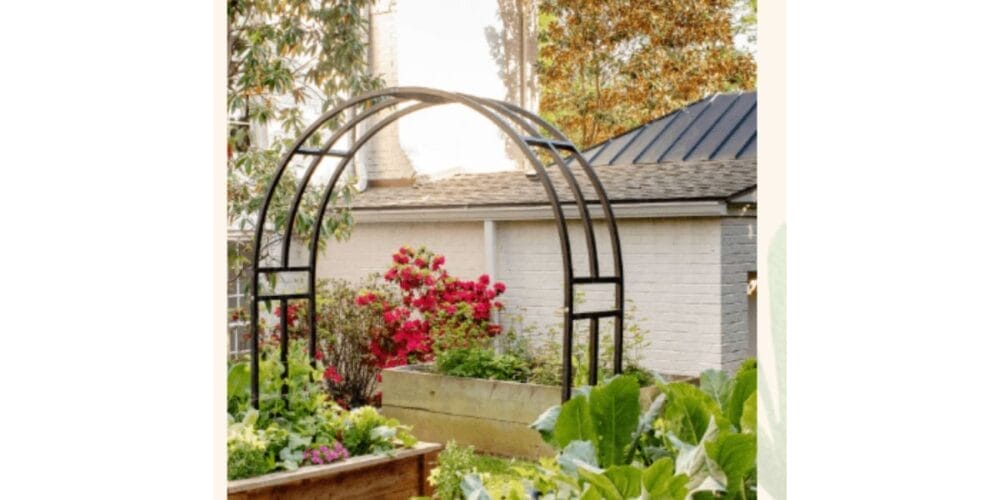
Plants need sunlight, air, and proper drainage to grow well.
Key Location Tips:
- Ensure 4–6 hours of direct sunlight daily
- Choose a place protected from strong winds
- Make sure water can drain easily
- For indoor plants, place them near bright windows
Vegetables and flowering plants usually need more sunlight than leafy ornamentals.
Step 3: Understand Your Soil
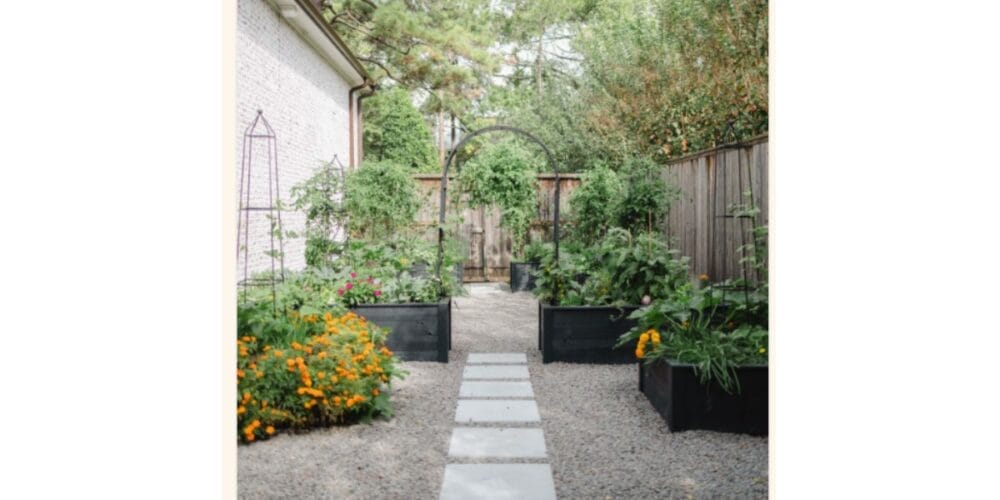
Soil is the foundation of a healthy garden. Good soil provides nutrients, water retention, and aeration for roots.
Ideal Soil Characteristics:
- Loose and well-drained
- Rich in organic matter
- Good moisture-holding capacity
You can prepare a simple potting mix using:
- Garden soil
- Compost or vermicompost
- Coco peat or sand for drainage
Adding organic matter improves soil fertility and supports beneficial microorganisms.
Also Read: Aries Agronaa- Boost Flowering and Yield with NAA-Based Plant Hormone Spray!
Step 4: Select the Right Plants
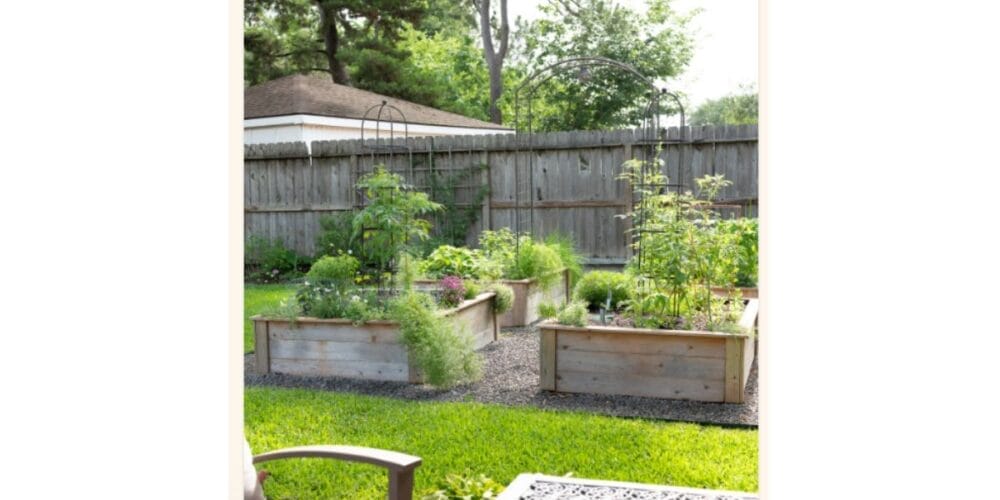
Always choose plants that suit your local climate and season. Starting with easy-to-grow plants helps build confidence.
Beginner-Friendly Plants:
- Vegetables: Tomato, spinach, radish, bottle gourd
- Herbs: Mint, coriander, fenugreek
- Flowers: Marigold, sunflower, balsam
Read seed packets carefully for sowing depth, spacing, and sunlight needs.
Step 5: Gather Basic Gardening Tools
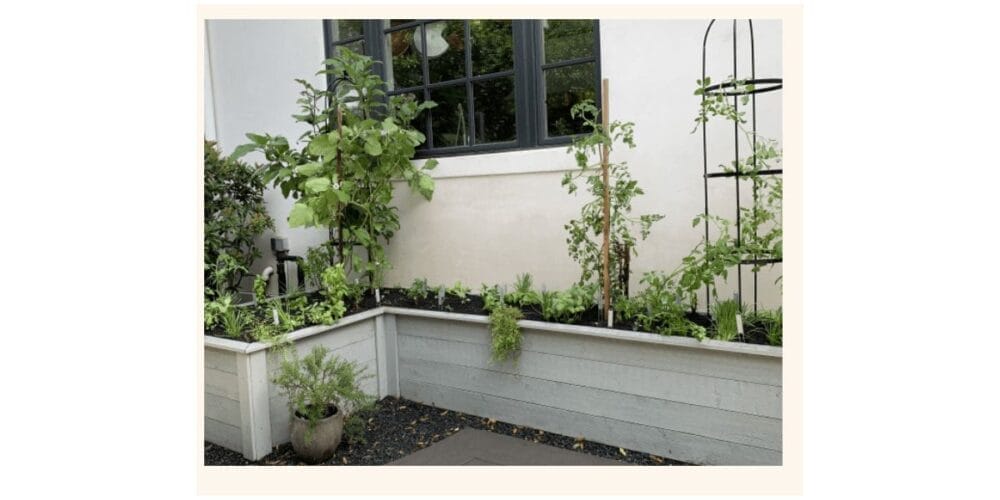
You don’t need expensive tools to start gardening.
Essential Gardening Tools:
- Hand trowel
- Watering can or spray bottle
- Gardening gloves
- Pruning scissors
- Pots or grow bags
As your garden grows, you can gradually add more tools if needed.
Step 6: Planting Seeds or Saplings
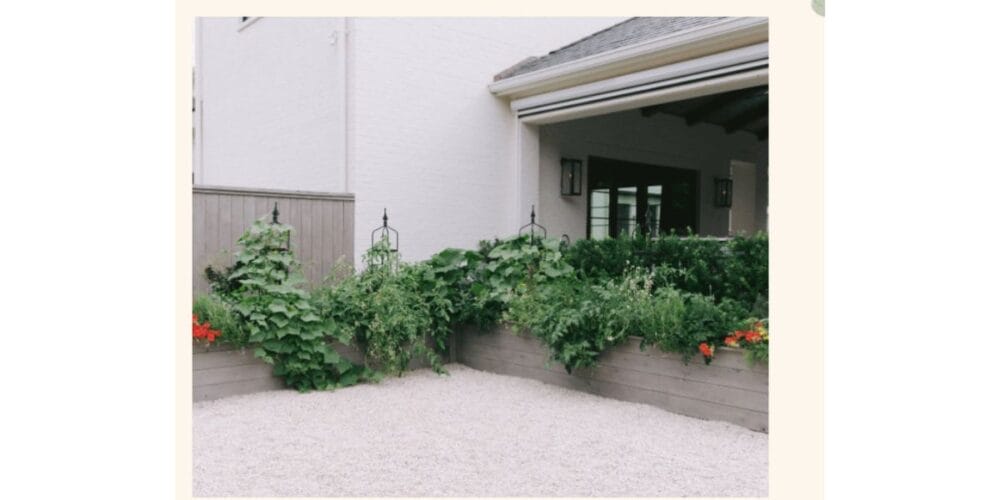
You can start gardening with either seeds or ready-made saplings.
Tips for Planting:
- Sow seeds at the recommended depth
- Do not overcrowd plants
- Water gently after planting
- Label your plants to remember varieties
Seeds may take time to germinate, while saplings offer quicker results for beginners.
Step 7: Watering the Right Way
Watering is one of the most critical aspects of gardening.
Best Watering Practices:
- Water early morning or evening
- Avoid overwatering; soggy soil causes root rot
- Check soil moisture before watering
- Use gentle watering to avoid soil erosion
Different plants have different water needs—observe and adjust accordingly.
Step 8: Nutrition and Fertilization
Plants need nutrients for healthy growth, flowering, and fruiting.
Organic Nutrition Options:
- Compost or vermicompost
- Liquid organic fertilizers
- Seaweed extracts
- Bone meal or neem cake
Feed plants regularly but avoid excessive fertilization, which can harm roots.
Step 9: Pest and Disease Management
Pests and diseases are common but manageable, especially with organic methods.
Natural Protection Tips:
- Inspect plants regularly
- Remove infected leaves immediately
- Use neem-based solutions
- Maintain cleanliness around plants
Healthy plants are naturally more resistant to pests.
Also Read: IFFCO Bokashi: A Powerful Organic Solution for Healthy Soil and Faster Composting
Step 10: Regular Care and Maintenance
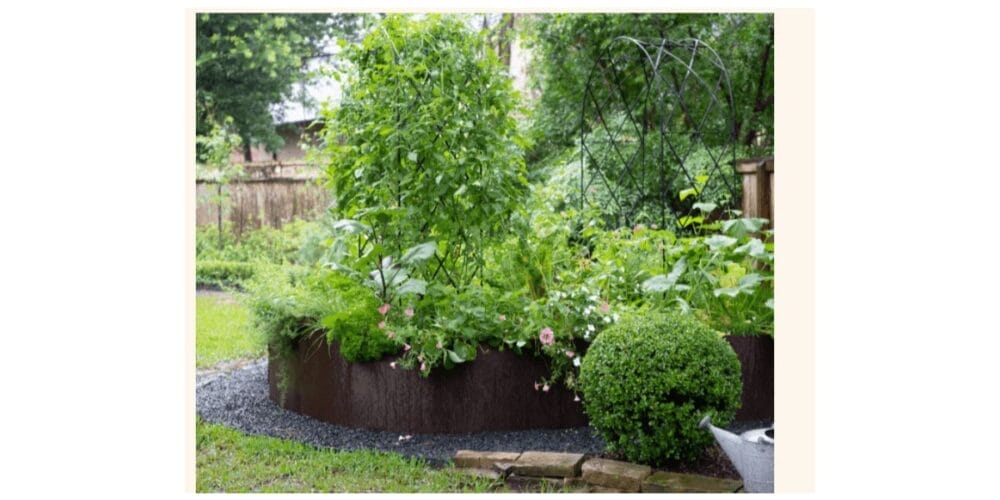
Gardening is an ongoing process that requires patience and observation.
Maintenance Activities:
- Pruning and trimming
- Removing weeds
- Replacing weak plants
- Supporting climbers
Spending even 10–15 minutes daily can make a big difference.
Common Mistakes to Avoid
- Starting with too many plants
- Ignoring sunlight requirements
- Overwatering or underwatering
- Using poor-quality soil
- Expecting instant results
Gardening teaches patience—plants grow at their own pace.
Frequently Asked Questions (FAQs)
Q1. Can I start a garden without a backyard?
Yes, balcony, terrace, and even indoor gardens are possible using containers.
Q2. How much time does gardening require daily?
10–20 minutes daily is sufficient for a small home garden.
Q3. What is the best season to start gardening?
Spring and early winter are ideal, depending on your region.
Q4. Are organic fertilizers better for beginners?
Yes, organic fertilizers are safer, eco-friendly, and improve soil health long-term.
Q5. How long does it take to see results?
Leafy vegetables show results in 3–4 weeks, while fruits and flowers may take longer.
Final Thoughts: Your Gardening Journey Begins Today
Starting a garden is not just about growing plants—it’s about nurturing life, learning patience, and enjoying small successes every day. With the right planning, basic knowledge, and consistent care, anyone can become a successful gardener. Begin small, observe your plants, and let your garden grow along with your confidence.
No matter the size of your space, now is the perfect time to start your gardening journey.
Also Read: About Complete Guide to Starting a Garden on gardenary.com Site